World
WhatsApp, UPI, internet services to shut down across world? This move by Iran may lead to massive…

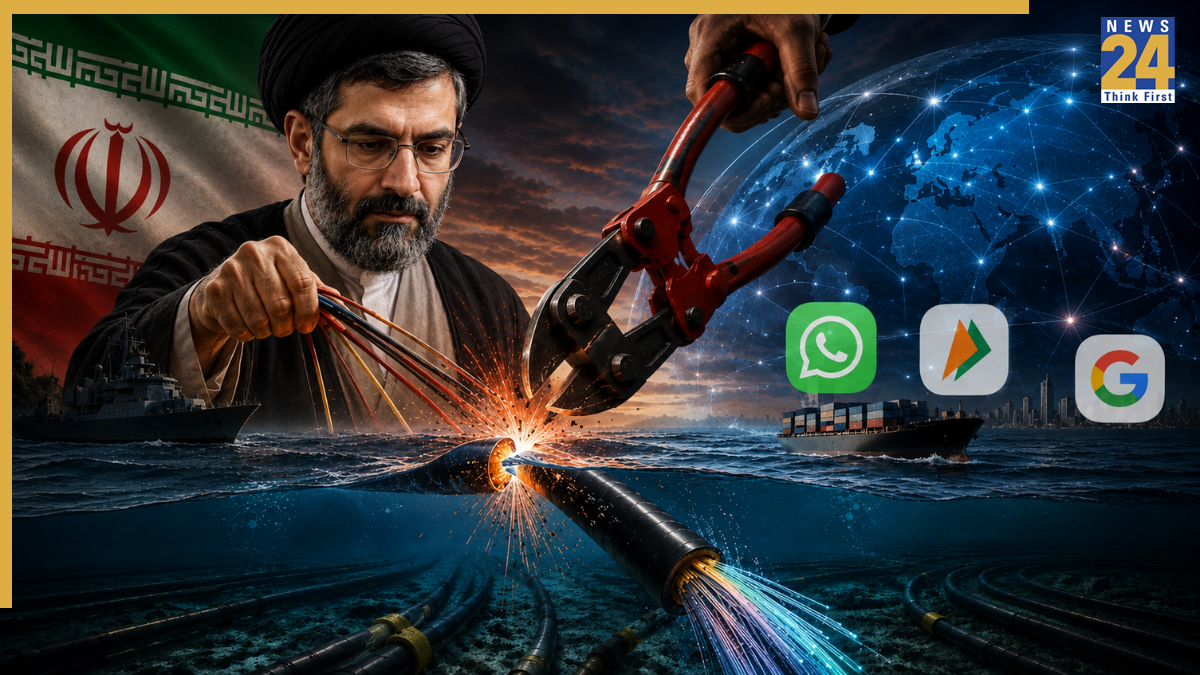
Reports claiming Iran may tighten control over undersea internet cables near Strait of Hormuz have raised fears of global internet disruptions, affecting banking, UPI, cloud services and communication systems.
Why Iran’s internet cable move is creating global concern

2 / 6
A new debate has started across the tech world after reports claimed that Iran wants greater control over undersea internet cables passing through the Strait of Hormuz. These cables carry most of the world’s internet traffic, including banking transactions, cloud data, AI services and social media traffic. Experts fear that any disruption in this region could affect internet connectivity across several countries, including India.
What are undersea internet cables?

3 / 6
Nearly 95 to 99 percent of global internet traffic travels through fiber-optic cables laid under the sea. These cables connect continents such as Asia, Europe and the Middle East. Important digital services like WhatsApp, UPI payments, online banking, cloud storage and video calls depend on this massive underwater network. Many of these key cables pass through the Strait of Hormuz region.
Iran’s reported ‘digital toll’ plan

4 / 6
Reports linked to Iranian media and the IRGC claim that foreign companies using these undersea cables may eventually be asked to follow Iranian rules or pay fees. Some reports compared the idea to a “digital toll booth,” similar to toll collection from ships passing through the Strait of Hormuz. Iran is also reportedly discussing taking greater control over cable maintenance and repair work in the region.
How could this affect India and the world?

5 / 6
Tech experts warn that any tension, damage or disruption involving these cables could impact multiple countries. Internet speed, cloud services, AI servers, international banking systems and digital payments may face problems. In countries like India, services such as UPI, online meetings, streaming platforms and messaging apps could see disruptions if major undersea cables are affected.
Internet may become the next geopolitical weapon

6 / 6
The global concern is no longer only about oil routes in the Middle East. Experts now believe internet infrastructure could also become a geopolitical pressure tool in the future. Just as countries once feared oil supply disruptions, governments and tech companies are now worried about digital connectivity risks. The issue highlights how deeply the modern world depends on thousands of kilometers of underwater internet cables hidden beneath the sea.
First published on: May 13, 2026 07:07 PM IST
Get Breaking News First and Latest Updates from India and around the world
on News24. Follow News24 on Facebook, Twitter.
End of Article
Sponsored Links by Taboola