World
Wellness influencer died of ‘eminently treatable’ home birth complication that rarely kills in hospitals

New details are emerging about the death of a 30-year-old Australian wellness influencer.
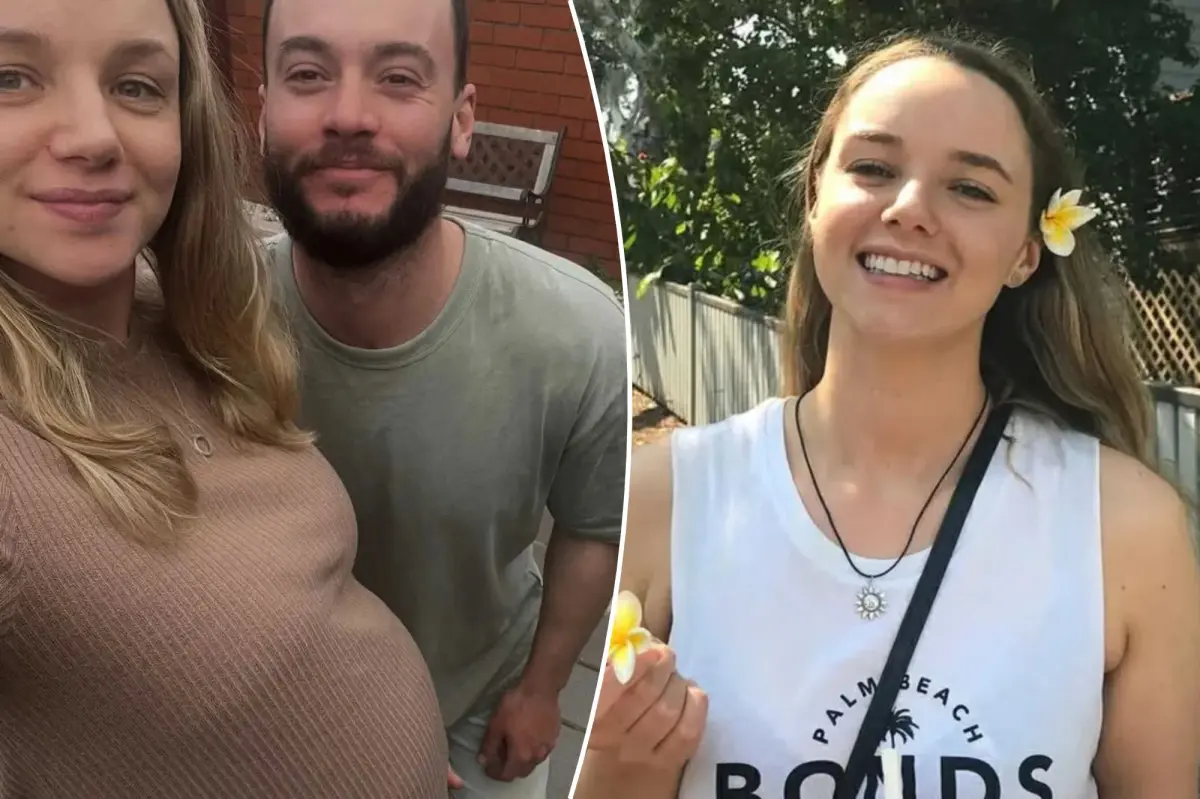
Last year, “low-tox” food content creator Stacey Warnecke (née Hatfield) died suddenly hours after giving birth to her first child. Her husband said it was because of an “unforeseen and extremely rare complication.”
Now, an inquest into her death revealed she bled out for over an hour before an ambulance was called, according to The Guardian. A birthkeeper, an unregulated birth worker who operates outside the medical system, was reportedly paid $6,000 AUS (about $4,200 USD) to be there.
“A woman who dies from blood loss … it is eminently treatable if it’s recognized quickly and managed,” forensic pathologist Dr. Michael Burke, who conducted Warnecke’s autopsy, told the court.
In the US, about 50,000 women, choose to give birth at home annually. This accounts for less than 2% of births. Most home births are attended by midwives, who follow state-regulated licensing.
How did this happen?
At 3 a.m. on September 29, Warnecke successfully gave birth to a son, Axel, but was bleeding. About 25 mins later, she’d lost up to 1.5 liters of blood, her husband said.
Emily Lal, her birthkeeper, asked if she wanted to call an ambulance twice, and Warnecke refused both times. The third time Lal asked, an hour after she gave birth, Warnecke agreed.
A paramedic found Stacey “lying on the floor between the birth pool and the couch,” Rachel Ellyard, a counsel assisting the coroner, said. “The room was dark. Stacey was naked, her skin was yellow and clammy” and there was a large clot of blood on the ground.
Intensive care paramedics couldn’t detect her blood pressure and identified she’d had a postpartum hemorrhage, or excessive bleeding after birth. This happens in 1-5% of births.
Two hours after she gave birth, she expelled a “big gush of blood” at the hospital, Ellyard said. Minutes later, she went into cardiac arrest.
The staff continued to try to save her, fighting multiple cardiac arrests and continued bleeding. She died at 11 a.m.
What is a ‘freebirth’?
When questioned about her role in Warnecke’s death, Lal, the birthkeeper said: “I’m not there to make a birth safer. I can’t do that.”
“I’m not clinically trained,” she added. “It’s not my role to assess blood loss.”
In Australia (and the US) midwives are the only type of birth worker that must meet healthcare standards to use the title. Doulas and birthkeepers operate outside this system and don’t have standardized training or certifications.
While a home birth is considered “as safe as hospital births for most women,” it requires the attendance of two midwives. Freebirths are any birth without a midwife or doctor present, and are legal in Australia.
In the US, home births are legal — but experts don’t recommend it for safety reasons.
The American College of Nurse Midwives, the American Academy of Pediatrics and the American College of Obstetricians and Gynecologists agree that hospitals and accredited birth centers are the safest for birth. According to the latter, babies die in home births about twice as often as in hospital births.
“It’s very hard to determine which patients are going to have an obstetric emergency,” Dr. Neda Ghaffari, a perinatologist at the University of California, San Francisco, told NPR.
Those emergencies can be hemorrhages Warnecke experienced, as well high blood pressure and fever. The baby may also show signs of distress or be in the wrong position.
Warnecke owned Natural Spoonfuls, a brand that promoted eating whole foods and taking out any chemicals in recipes. She also cofounded Waffl, which is a social media content hub for food creators.
“It was her life’s biggest dream to be a mum,” her husband said in a statement after her death. “She did it. On her terms, exactly the way she always dreamed of doing it.”