World
Vance and Iranian officials in Switzerland for talks on deal to end war

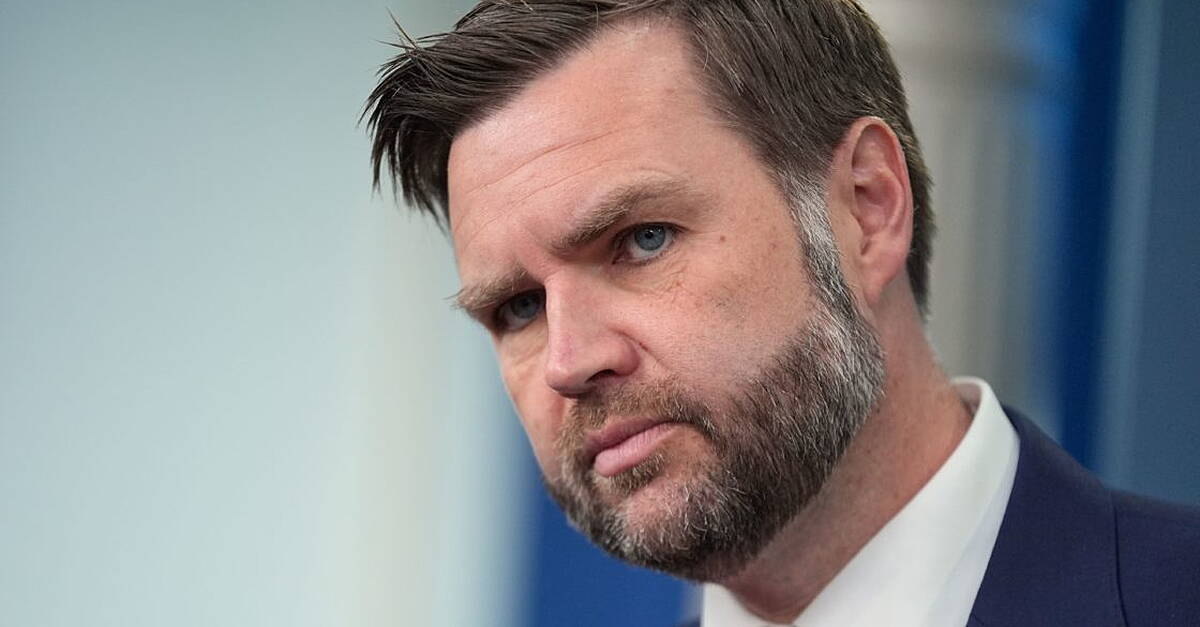
US Vice-President JD Vance and senior Iranian officials have arrived in Switzerland to formally launch negotiations over Tehran’s nuclear programme and build the fragile interim deal to end the war in Iran.
The framework was signed last week and US and Iran negotiators are now in a 60-day sprint to reach agreement on the technical details which hold massive implications for the world economy and global security.
Yet only days after signing the agreement, it is already being stress-tested after fighting escalated in Lebanon between Israel and the Iranian-backed militant group Hezbollah – and by the subsequent announcement by Iran’s military that it had closed the Strait of Hormuz, the vital waterway that transits a fifth of the world’s traded oil and natural gas.
Delegations from the US and Iran, as well as mediators Pakistan and Qatar, arrived at the picturesque mountainside resort near Lake Lucerne on Sunday morning, with talks beginning imminently.
US Central Command disputed Iran’s claim it had once again shuttered the strait and said US forces continued to monitor the situation to ensure traffic continues to flow through the waterway. Mr Vance has said millions of barrels of oil have moved through the strait in recent days.
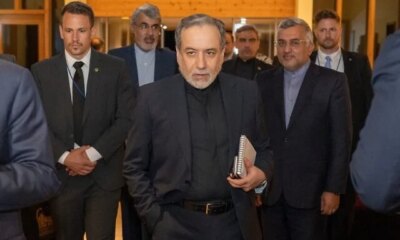
Mr Vance departed the US just after Iranian state TV said Iran’s negotiators had arrived in Switzerland. Tehran’s negotiators include parliamentary speaker Mohammad Bagher Qalibaf and foreign minister Abbas Araghchi, along with central bank and oil officials.
The US vice-president joined special envoy Steve Witkoff and Jared Kushner, President Donald Trump’s son-in-law, who have already been on the ground to begin sifting through the technical details of the nuclear talks.
While Mr Vance said he planned to be in Switzerland for just “a day or two”, leaving much of the detailed negotiations to be spearheaded by Mr Witkoff and Mr Kushner, his role in the talks has heightened the scrutiny of the vice-president at a time when he is actively considering a 2028 presidential campaign.
Mr Trump and Mr Vance have come under criticism from parts of their own party for the deal, with Republican hard-liners unfavourably likening it to a nuclear agreement signed by the Obama administration that Mr Trump and the party have insisted did nothing to terminate Iran’s nuclear programme.
The agreement signed by Mr Trump and Iranian President Masoud Pezeshkian immediately allows Tehran to sell its oil freely and paves the way for Iran to tap into billions of dollars in assets that are frozen. It also calls for Iran to dilute its stockpile of highly enriched uranium, believed to be buried under nuclear sites targeted in US strikes last summer.
The agreement says commercial vessels can pass through the Strait of Hormuz for 60 days without a charge, but does not preclude future fees imposed by Iran.
Mr Trump made his own threat on Saturday to levy US tolls on the strait if there is no deal with Iran in 60 days, insisting in a social media post that the money would be for “services rendered as the Guardian Angel to the countries of the Middle East”.
Further complicating matters, neither Israel nor Hezbollah are signatories to the deal between the US and Iran, and Israeli Prime Minister Benjamin Netanyahu has vowed to keep his forces in southern Lebanon until any threat to Israel is eliminated.