World
US, Iran appear to halt strikes after 13 days of mutual attacks

Iran reported no strikes overnight into Saturday, an apparent break from nearly two consecutive weeks of US nighttime attacks, but tensions remain high following a recent escalation over control of the strategic Strait of Hormuz and an exchange of fire reported between Saudi Arabia and the Iran-backed Houthi rebels in Yemen.
Iranian Health Ministry spokesperson Hossein Kermanpour posted on X, saying that “Iran had a peaceful night,” without any attacks reported. The US Central Command didn’t immediately respond to a request for comment. However, unlike the previous 13 nights, it did not announce new strikes.
Sirens sounded multiple times early Saturday in Saudi Arabia’s Yanbu and Jizan provinces, which house crucial oil facilities on the Red Sea, according to the Saudi Civil Defense. It said the sirens were because of a “potential danger” that was later lifted, without providing further details. Those sirens appear to have been caused by missile fire from Yemen.
Bahrain also sounded missile alerts early Saturday, but no casualties have been reported.
A tenuous ceasefire that appeared to halt major operations in the conflict that started with American and Israeli attacks on Iran seemed to unravel in early July. Iran was accused of striking three ships in the strait. The US responded by striking dozens of targets in Iran, which retaliated by firing at Arab states in the region.
The Strait of Hormuz, a crucial passage for world energy supplies effectively shut down by Iranian attacks, has been at the center of the conflict. The US military fired Friday on a merchant vessel in the Gulf of Oman that was trying to breach its renewed blockade of Iran’s ports, while Iran targeted US-allied Gulf Arab countries.
It was not immediately clear whether the quiet signalled a return to diplomacy or if it was just a pause before a return to conflict.
US President Donald Trump said Friday that he had not decided whether to launch major strikes on Iran yet, as Tehran was now getting “serious” in talks with Washington.
His comments came after reports that an increasingly frustrated Trump was meeting senior advisors to discuss launching a large-scale military operation against Iran.
“No I haven’t,” Trump told journalists in the Oval Office when asked if he had made a decision. “Look, we’re talking to them right now. I think they’re getting more and more serious as the days go by, for maybe the obvious reason.”
Trump said Iran had a choice between making a deal or facing a “much higher level” of strikes, after nearly two weeks of US attacks and Iranian strikes across the region that have left a ceasefire in tatters.
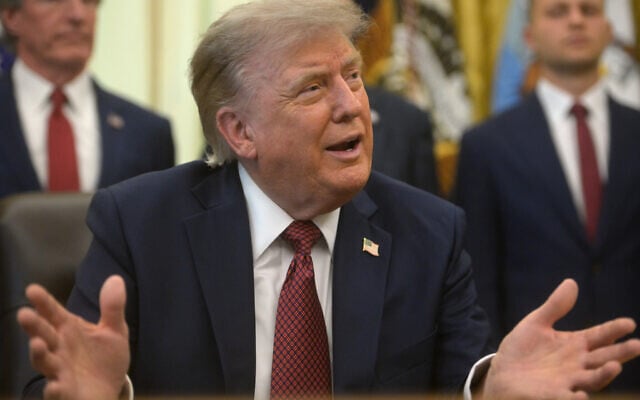
“We’re locked and loaded and ready to go. But we’re talking to them, so I think while we’re talking, we’ll see what comes of it. I believe… they’re very serious. They should be,” Trump said.
US embassies in the Middle East also alerted Americans in the region on Friday that options to leave could become more limited, as Iran’s Revolutionary Guard advised residents of neighboring countries to stay away from bases with US troops.
But while Iran had a calm night, the conflict showed signs of intensifying in nearby Yemen.
Iran’s Houthi allies targeted two Saudi oil tankers in the Red Sea this week, raising concerns the group may again try to block Red Sea shipping routes. In response, Saudi Arabia struck the port city of Hodeida in Yemen, the Saudi-led coalition in Yemen said early Saturday.
Meanwhile, air defense systems in Saudi Arabia intercepted two ballistic missiles from Yemen on Saturday targeting oil refineries in Yanbu on the Red Sea, Greek security sources told Reuters.
Saudi civil defense had issued several warnings for Yanbu and later said the danger had passed. Civil defense also issued a warning for the port city of Jizan about 1,000 km (620 miles) to the south, close to the Yemeni border.
There were no immediate official reports of damage; however, footage from Jizan showed plumes of black smoke rising into the air from the Aramco refinery in Jizan.
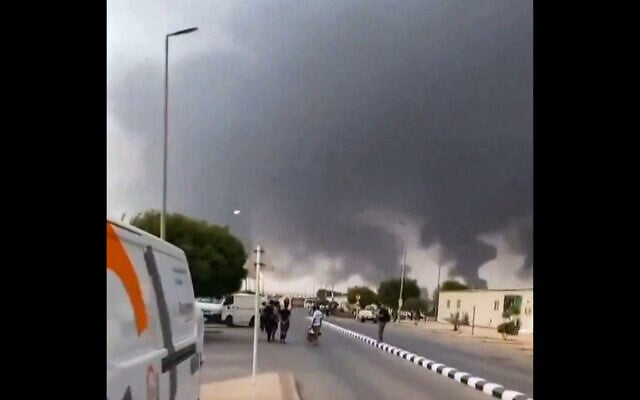
The defense system was operated by Greek military personnel, the sources said. Greece has deployed a US-made Patriot air defense battery in Saudi Arabia since 2021 under an agreement to help protect the kingdom’s energy infrastructure.
Later on Saturday, the Greek Patriot system also shot down a drone in the Yanbu region that had been launched from Yemen, Greek security sources said.
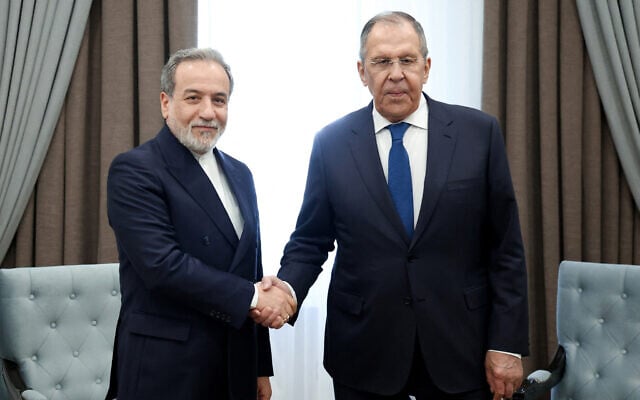
Iran’s Foreign Minister Abbas Araghchi on Saturday denied any Iranian involvement in the escalating Yemen conflict and called for dialogue.
“We believe that there is no military solution to the issue of Yemen, Bab el-Mandab, and other regional issues,” said Araghchi in an interview published on Saturday by the state-run Iran Daily newspaper, calling for “dialogue.”
He said the situation in Yemen “cannot be attributed to Iran” and that the incidents occurring in the area of the Bab el-Mandab Strait were “rooted in old disputes and issues between Yemen, Saudi Arabia and the countries of the region.”
Sources have said that Iran has asked the Houthis to block Bab al-Mandab if the US targets Iranian energy centers and have been sending IRGC officers and equipment to Yemen.
Renewed conflict between the Houthis in Yemen and Saudi Arabia — which had largely been frozen since a UN-negotiated truce in 2022 — flared up this month with the Tehran-backed rebels declaring a blockade of Saudi ports and claiming attacks on tankers.
The blockade has threatened Saudi Arabia’s ability to get its supplies to the world following Iran’s parallel blockade of the Strait of Hormuz, the kingdom’s only other maritime route.
On Friday, a Houthi spokesman said the rebels were not blocking traffic through the Bab el-Mandeb Strait and that the maritime blockade “only affects the Saudi side.”
The war has so far killed more than 3,400 people in Iran, according to the Iranian Health Ministry. Eighteen US service members and 24 civilians in Israel were killed, and smaller numbers of civilians were reported dead in countries across the region.
In Lebanon, more than 4,000 people have been killed, according to figures that do not differentiate between civilians and combatants, as well as 38 Israeli troops, after the Iran-backed Hezbollah terror group fired at Israel in support of the Islamic Republic.
Israel says it has killed more than 2,500 Hezbollah operatives.