World
US denies Iran struck military vessel during effort to reopen Strait of Hormuz

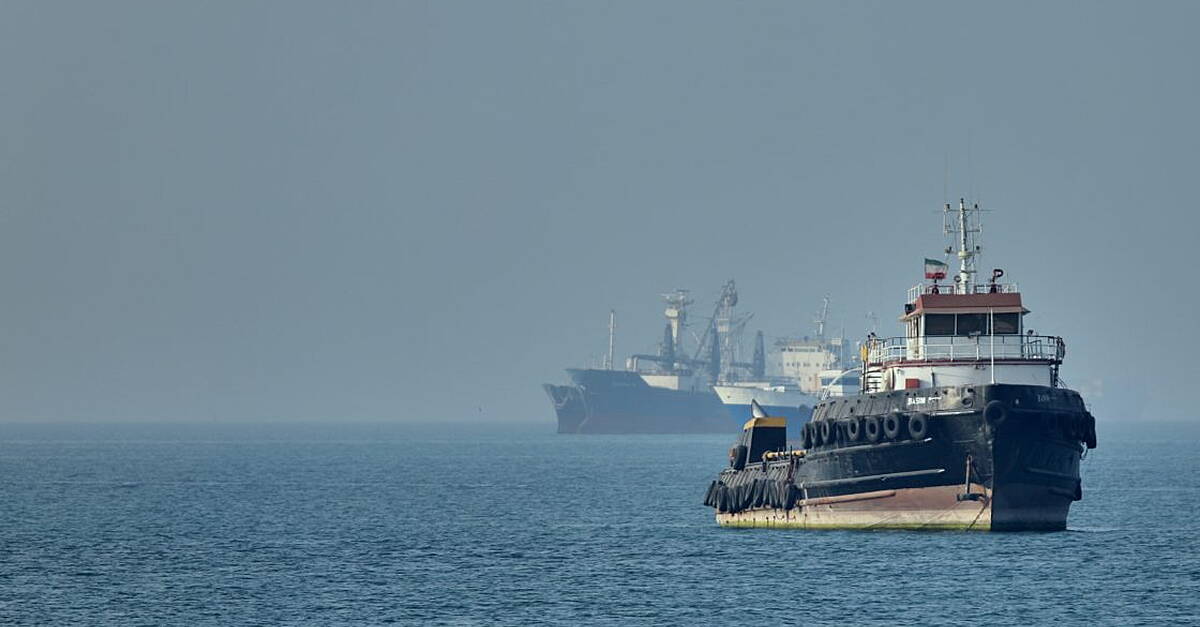
The US military has denied claims that Iran struck a navy vessel after American forces offered to guide commercial ships through the Strait of Hormuz, where hundreds have been stuck since the Iran war began.
Tehran has over the past two months attacked some vessels and blocked others that do not receive its authorisation.
Iranian news agencies, including the semi-official Fars and the Iranian Labour News Agency, claimed that Iran struck a US vessel near an Iranian port south east of the strait, accusing it of “violating maritime security and navigation norms”. The reports said the vessel was forced to turn back.
US Central Command said on social media that no US Navy ships had been been struck.
The US military has said the new initiative, announced by President Donald Trump on Sunday, might involve guided-missile destroyers, more than 100 aircraft and 15,000 service members, but has not specified what kind of assistance it would provide.
The US-led Joint Maritime Information Centre has advised ships to cross the strait in Oman’s waters, saying it had set up an “enhanced security area”.
It was unclear whether any vessels were attempting to cross the strait, or whether shipping companies and their insurers will feel comfortable taking the risk given that Iran has fired on ships in the waterway and vowed to keep doing so.
Tehran called the new US effort a violation of the fragile ceasefire that has held for more than three weeks.
Iran’s control of traffic through the crucial artery for a significant amount of the world’s oil and gas supplies has proved a strategic advantage in its war with the US and Israel, allowing Tehran to inflict tremendous pain on the global economy despite being outgunned on the battlefield.
Mr Trump’s announcement that the US would “guide” ships out of the strait warned that Iranian efforts to block them “will, unfortunately, have to be dealt with forcefully”.
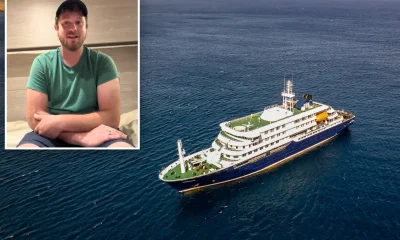
He described Project Freedom in humanitarian terms, designed to aid stranded seafarers, many on oil tankers or cargo ships, who have been stuck in the Persian Gulf since the war began. Crews have described seeing drones and missiles explode over the waters as their vessels run low on drinking water, food and other supplies.
Iran’s state-run IRNA news agency called Project Freedom part of Mr Trump’s “delirium”.
Tehran’s military chiefs on Monday said ships passing through the strait must co-ordinate with them.
“We warn that any foreign military force — especially the aggressive US military — that intends to approach or enter the Strait of Hormuz will be targeted,” Major General Pilot Ali Abdollahi told state broadcaster IRIB.
The Joint Maritime Information Centre urged mariners to co-ordinate closely with Omani authorities “due to anticipated high traffic volume”. It warned that passing close to usual routes, known as the traffic separation scheme, “should be considered extremely hazardous due to the presence of mines that have not been fully surveyed and mitigated”.
The head of security for the Baltic and International Maritime Council, a leading shipping trade group, said no formal guidance or details about the US effort had been issued to the industry.
Jakob Larsen questioned whether the effort was sustainable in the long run or envisioned as a more limited operation, and said there is a “risk of hostilities breaking out again” if it goes ahead.
The United Arab Emirates on Monday accused Iran of targeting a tanker linked to its main oil company with two drones as it passed through the strait. It did not say when the attack took place. No injuries were reported.

Disruption of the waterway has squeezed countries in Europe and Asia that depend on Persian Gulf oil and gas, raising prices far beyond the region.
Mr Trump has promised to bring down gas prices as he faces mid-term elections this year.
The US has warned shipping companies they could face sanctions for paying Iran to transit the strait. It has enacted a naval blockade on Iranian ports since April 13, telling 49 commercial ships to turn back, US Central Command said on Sunday.
The blockade has deprived Tehran of oil revenue it needs to shore up its ailing economy.
US officials have expressed hope that the blockade forces Iran back to the negotiation table.
“We think that they’ve gotten less than 1.3 million dollars in tolls, which is a pittance on their previous daily oil revenues,” US Treasury secretary Scott Bessent told Fox News on Sunday, adding that Iran’s oil storage is rapidly filling up and “they’re going to have to start shutting in wells, which we think could be in the next week”.
Iran’s latest 14-point proposal for ending the war, made public over the weekend, calls for the US lifting sanctions, ending the US naval blockade, withdrawing forces from the region and ceasing all hostilities, including Israel’s operations in Lebanon, according to the semi-official Nour News and Tasnim agencies, which have close ties to Iran’s security organisations.
Iranian officials said they were reviewing the US response, though Foreign Ministry spokesman Esmail Baghaei told reporters on Monday that changing demands, which he did not detail, made diplomacy difficult.