World
UK legal watchdog upholds ICC prosecutor’s suspension, as decision on his firing looms

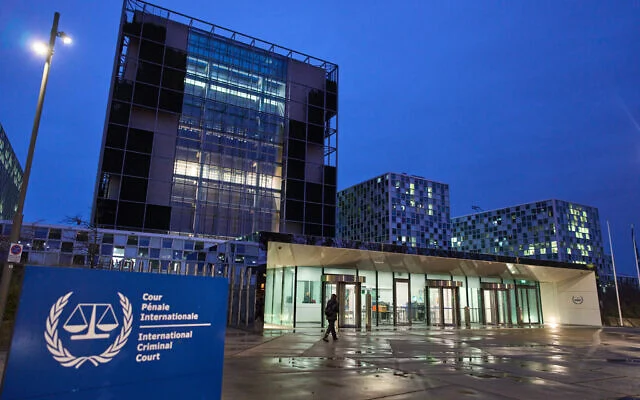
THE HAGUE, Netherlands — Britain’s legal watchdog announced on Tuesday that it has upheld a suspension for the International Criminal Court’s embattled chief prosecutor over allegations of sexual misconduct, banning him from practicing law in his home country.
The global court’s oversight body is set to vote this month on whether to remove Karim Khan from office. The 56-year-old faces allegations related to a female aide, a scandal that has dragged on for more than two years. He has denied wrongdoing.
In June, the UK’s Bar Standards Board suspended Khan, a measure adopted “in very serious and urgent cases,” according to the regulator, following a complaint. After a hearing last week, the bar association upheld the decision while disciplinary proceedings are underway.
Khan’s lawyers did not immediately respond to a request for comment Tuesday.
The ICC decision on Khan’s fate is now up to the Assembly of States Parties, the body that oversees the ICC, which will hold a special session on July 24 at the United Nations headquarters in New York.
Days before the British sanction, the executive committee of the ICC’s oversight body concluded that Khan had committed serious misconduct and recommended that he be removed from office.
The allegations against Khan were first reported to the court’s independent watchdog. An Associated Press investigation revealed that Khan was alleged to have seen the woman working in another ICC department and moved her into his office. She later became a regular presence on official trips, according to whistleblower documents.
On one foreign trip, Khan allegedly asked her to rest with him on a hotel bed and then “sexually touched her,” the documents said. Other alleged nonconsensual behavior cited in the documents included locking the door of his office and sticking his hand in her pocket. He also allegedly asked her several times to accompany him on a vacation.
The developments come as the ICC faces increasing threats from the administration of US President Donald Trump, which has long criticized the court. The ICC was created to be a last resort for pursuing the most serious international crimes: war crimes, crimes against humanity, genocide and aggression.
The US seeks to ‘dismantle’ the ICC
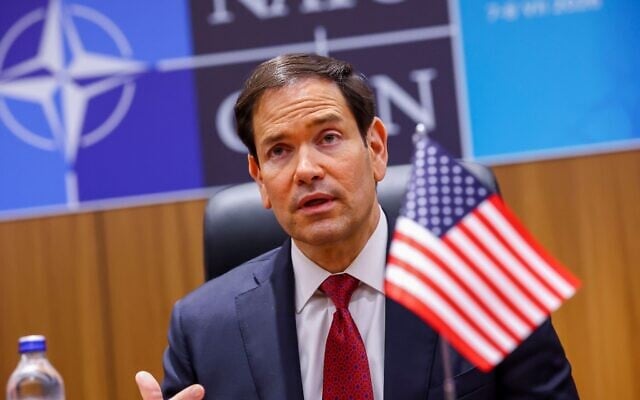
On Monday, Secretary of State Marco Rubio announced that the US was launching a “sweeping campaign to dismantle the threat posed by the International Criminal Court to US sovereignty.”
Rubio said he will pressure the court’s 125 member states to withdraw from the institution, sanction organizations that work with the court, and ban staff from traveling to the United States. Countries that “enjoy the benefits of the US security umbrella” will be called upon to reject the court’s jurisdiction over US citizens.
Trump’s administration has already brought sanctions against Khan and a dozen other ICC staff in retaliation for warrants the court has issued for Israel’s Prime Minister Benjamin Netanyahu and former defense minister Yoav Gallant over alleged war crimes in Gaza, and investigations into US personnel in Afghanistan.
The Rome Statute, which created the ICC in 2002, gives the court jurisdiction over crimes that happen on the territory of member states or that are committed by nationals of member states. The US signed the treaty but did not ratify it. Israel is not a member and never signed the treaty.
The European Union condemned the new US announcement. “We are already facilitating all appropriate measures, including diplomatic, legal and financial avenues, that could help ensure the continuity of the ICC’s operations,” European Commission spokesperson Siobhan McGarry told reporters.
The sanctions have hit the court hard. Typically reserved for autocrats and crime bosses, sanctions can be devastating. They prevent the ICC officials and their families from entering the US, block their access to even basic financial services and extend to the minutiae of their everyday lives.
In March 2020, ICC prosecutors opened an investigation in Afghanistan that included looking into possible crimes by US troops, but since 2021, it has deprioritized the role of the US and focused on alleged crimes committed by the Afghan government and Taliban forces.
Israel has dismissed the ICC’s warrants against its officials as biased and antisemitic. It also entirely rejects the jurisdiction of the Hague-based court to arrest or prosecute its leaders, having never joined the international conventions that created it, and argues that the membership of the Palestinian Authority does not grant the ICC jurisdiction either, due to explicit provisions of the Oslo Accords.
The ICC has no enforcement methods and relies on the cooperation of party nations to carry out its warrants.