World
UAE’s Opec exit signals aim to accelerate foreign policy diversification

The United Arab Emirates is expected to continue making high-risk geopolitical moves with potentially high rewards, following its exit from the Opec oil cartel, as the small but extremely wealthy Gulf state strives to become a global power.
Framed by Emirati officials as an orientation towards strengthening economic autonomy, the UAE’s decision to leave the Organisation of Petroleum Exporting Countries (Opec) on Tuesday coincided with the downgrading of its diplomatic participation in the Gulf Cooperation Council (GCC), a Saudi Arabia-led alliance of the region’s six monarchies.
Rather than sending its president or vice-president to attend an emergency GCC summit in Jeddah on Tuesday, the UAE was represented by Foreign Minister Abdullah bin Zayed al-Nahyan, in what was widely seen as a snub to the event’s host, Saudi Crown Prince Mohammed bin Salman.
Speaking at a conference in Dubai on Monday, the UAE president’s diplomatic adviser, Anwar Gargash, said the Gulf states’ policies of trying to “contain” Iran either through diplomatic or economic engagement had “failed miserably”.
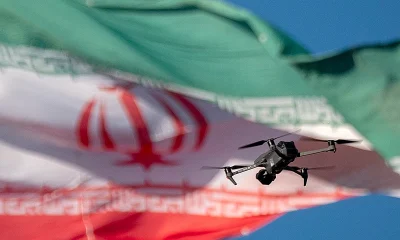
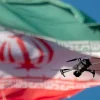
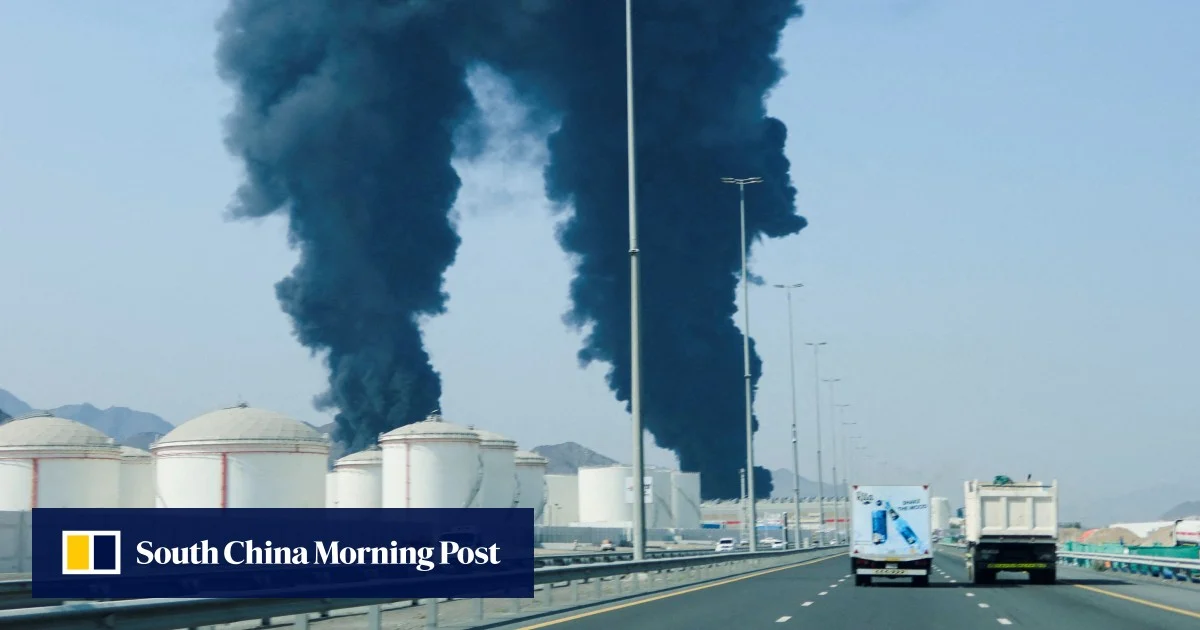
“We are facing an important reassessment,” Gargash said, referring to the hundreds of air strikes launched against the UAE and other GCC states by Iran after Tehran came under attack by the US and Israel on February 28.
“The first part is that this brutal and pre-planned [Iranian] aggression poses a vital threat for decades to come, and the second part is that our containment policies have also failed.”