World
Trump urges Netanyahu not to respond after Iran targets Israel with first strikes since April

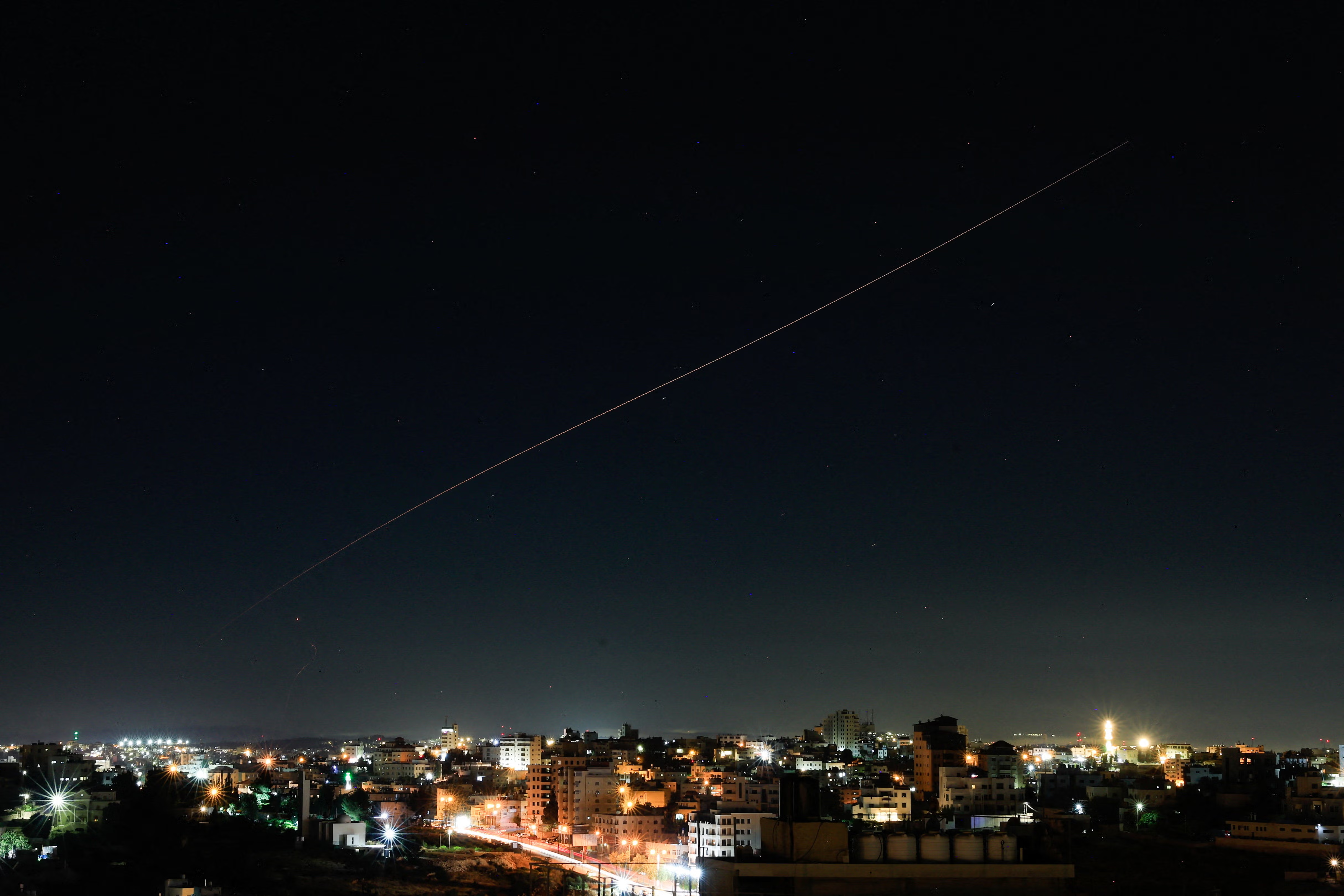
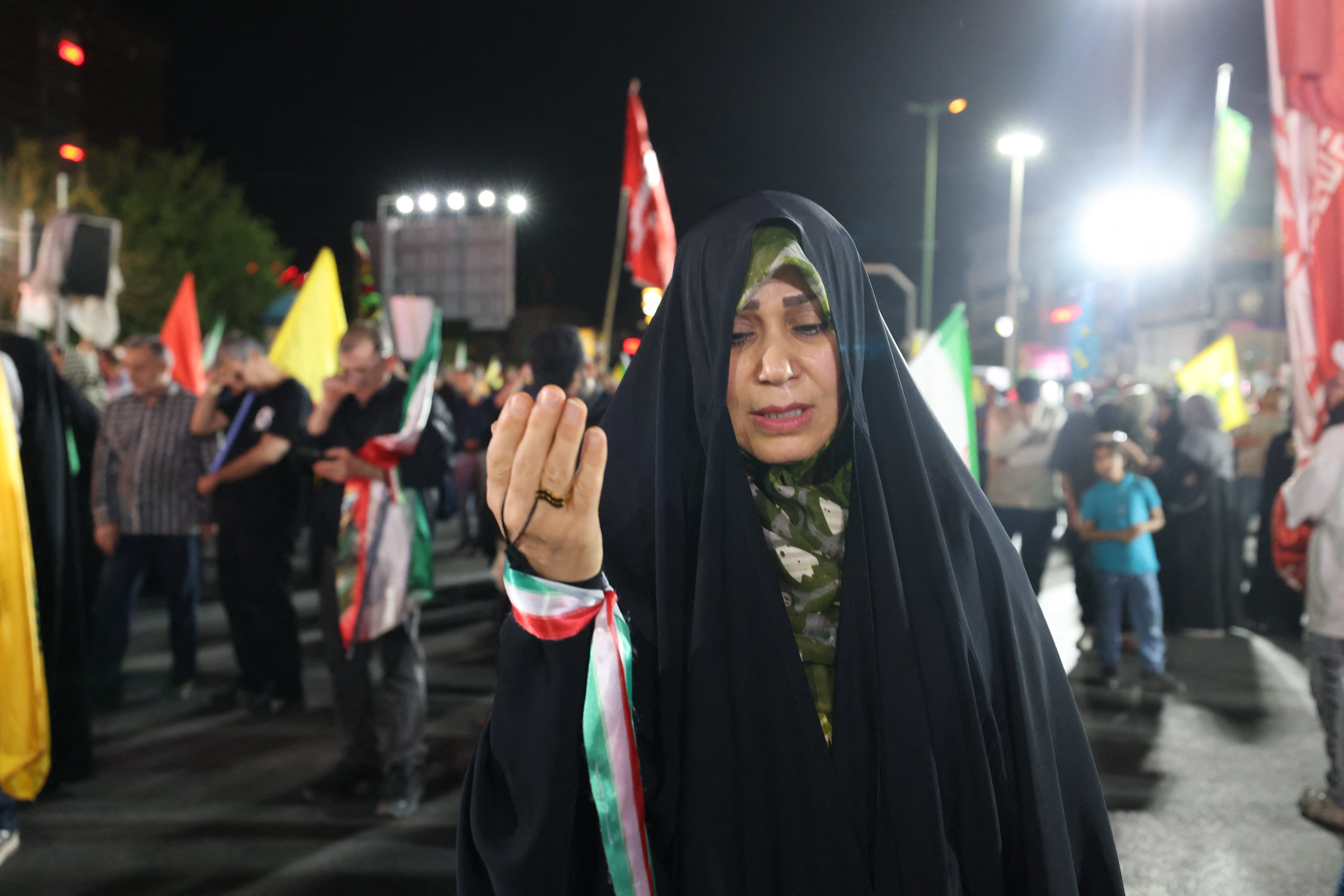
Iran fired ballistic missiles at Israel for the first time since April late on Sunday in a move that threatens to derail sensitive talks to end the war and cast the region back into chaos.
The Islamic Revolutionary Guard Corps (IRGC) said they targeted Israel’s Ramat David Air Base in response to an earlier Israeli attack on the outskirts of Beirut in Lebanon.
They added that any Israeli response would prompt “more crushing and regretful blows”, as the head of the IDF indicated the military was ready to respond as soon as the order was given.
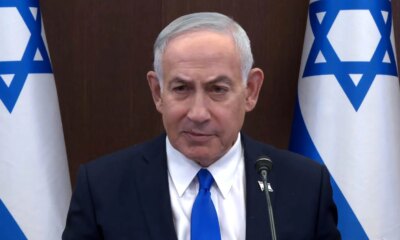
Donald Trump urged Benjamin Netanyahu not to respond and risk another major escalation. He said the strikes resulted in no casualties.
In comments to Axios, the president said: “Hopefully Israel is not going to retaliate. If Bibi strikes them back it’s just gonna keep going like the last 47 years, or the last 3,000 years.”
“Each of them had their fun. Israel had its strike and Iran had its strike. We don’t need another one,” he added.
Speaking to the Financial Times, he added, “I call the shots. He [Netanyahu] doesn’t call the shots”. He said that the Israeli prime minister will have “no choice” but to accept a deal with Iran.
Asked what would happen if a deal failed “on its merits”, Trump said he would consider a commando raid on Iran.
Separately, he told Fox News he was “not happy” with Israel’s strikes on Beirut, signalling a widening rift with Israel as he tries to wind down the unpopular war in the Middle East.
The Israeli military meanwhile indicated it was ready to retaliate. IDF spokesperson Brig. Gen. Effie Defrin told reporters that the chief of staff was making an assessment and “approving plans for the future”.
“The Iranian terror regime made a grave mistake,” he said, adding that Israeli forces were prepared to respond to any further attacks from Iran.
Israeli sources told Axios and Reuters that Israel was planning to respond to the Iranian attacks ahead of Trump’s call to Netanyahu.
The Israeli government agency Cogat also said that they were closing the Kerem Shalom and Rafah crossings into Gaza until further notice in the wake of the Iranian attacks.
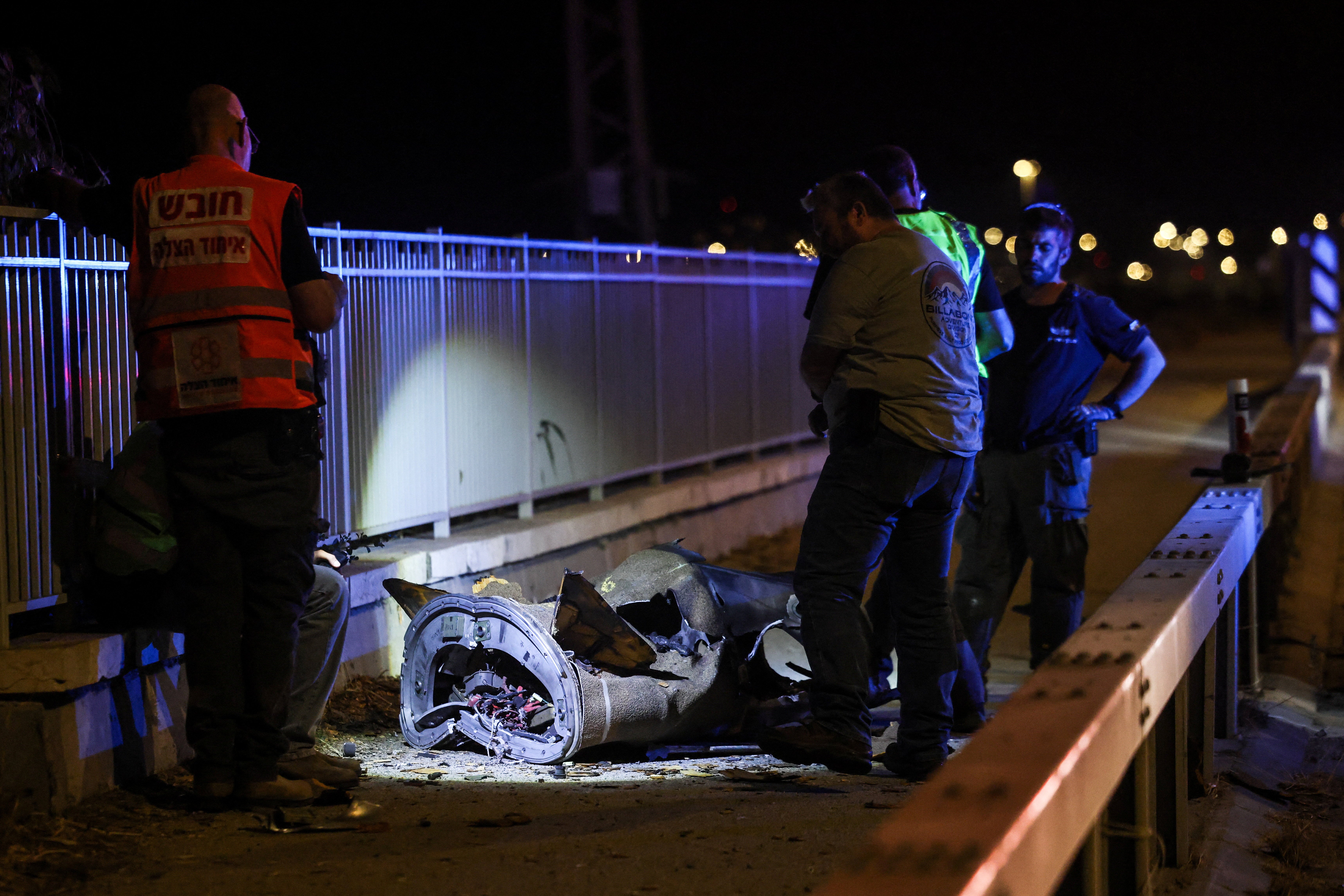
The extent of the attacks was not immediately clear. The IDF reported that air defences were working to intercept incoming Iranian missiles just after 10pm local time. A second wave was reported minutes later.
Within an hour, the military announced that it had intercepted all incoming missile threats and had signalled to citizens that it was safe to leave protected spaces by 11pm local time.
Iran subsequently suspended flights from Imam Khomenei Airport until further notice, according to the IRNA news agency.
The foreign ministry said that the fragile ceasefire deal agreed in April included Lebanon, and cautioned that any further actions by Israel against either Iran or Lebanon would be met with a “crushing response”.
A senior Iranian source told Reuters that all US bases in the region would be considered “legitimate targets” if Israel retaliates.
Despite Trump’s insistence that Iran and the US were only days from a deal, Iranian parliament speaker Mohammad Bagher Ghalibaf said before the strikes that the ongoing US blockade and the Israeli “violation of agreements regarding Lebanon” showed “they only understand the language of power”.
“They are neither committed to a ceasefire nor believe in dialogue,” he said.
The escalation came after the Israeli military said on Sunday it had attacked Hezbollah infrastructure in the Lebanese capital’s southern suburbs, accusing the armed group of firing at northern Israel.
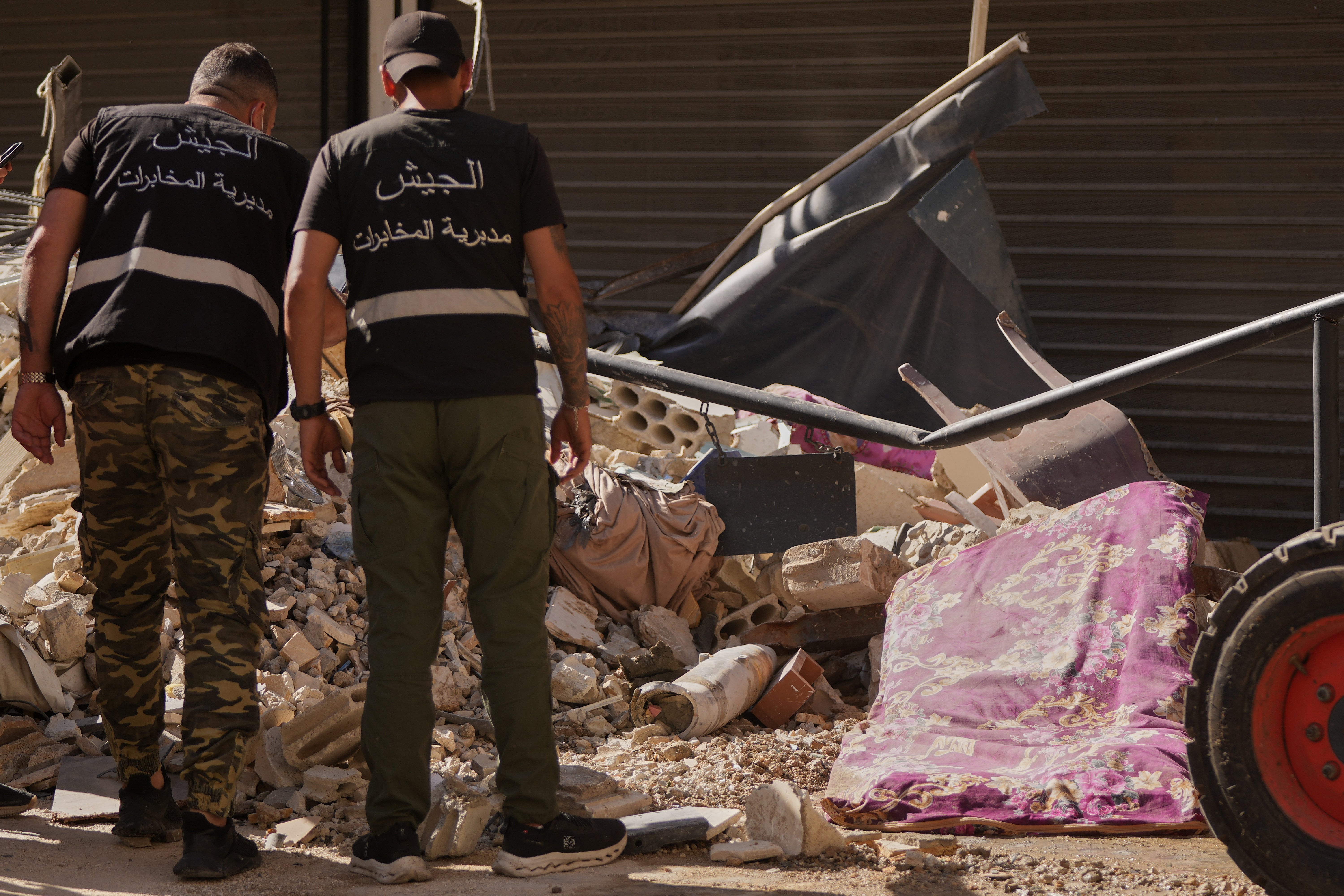
Apart from two strikes last month, Israel halted its bombardment of Beirut’s southern suburbs after a ceasefire announced by the US on April 16. The truce has not halted fighting in southern Lebanon.
Lebanese state media reported two dead and 11 injured in an initial toll. The Independent could not independently confirm what was hit or whether the dead were members of Hezbollah.
Hezbollah announced several operations against Israeli troops in Lebanon, but did not claim responsibility for the cross-border launches.