World
Trump said to urge Netanyahu to pull Israeli troops from Syria, Lebanon in recent call

US President Donald Trump urged Prime Minister Benjamin Netanyahu during a phone call last week to begin withdrawing Israeli troops from southern Syria and Lebanon, Barak Ravid of Channel 12 and Axios reported Tuesday, citing American and Israeli officials.
According to the report on the Thursday call, Trump warned that Israel’s military presence in Syrian territory is creating tensions that could lead to an escalation, telling Netanyahu, “They don’t want you there. You should redeploy.” He reportedly made a similar request regarding Lebanon.
Netanyahu was said to push back, citing Israel’s security needs.
According to the report, Washington for months sought a security agreement between Israel and Syria but eventually came to the conclusion that Netanyahu was not willing to meet the necessary terms, including pulling troops out of Syria.
The Prime Minister’s Office said last week that during the call, Netanyahu stressed “the need for security zones along Israel’s borders,” while the White House declined to comment on the substance of the report but highlighted Trump’s “strong relationship” with Netanyahu and described the US president as “a fighter for peace.”
Last month, Israel agreed to withdraw its forces from two designated “pilot zones” in southern Lebanon as part of ongoing negotiations with Beirut to allow the Lebanese Armed Forces to assume security control in those areas, with the aim of ensuring that it is clear of Hezbollah weapons. But two and a half weeks have passed and Israel has yet to pull out from either pilot zone, slowing talks between the sides.
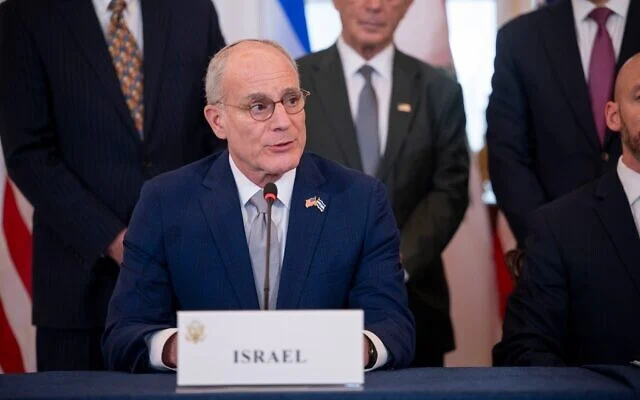
A further round of US-sponsored direct talks between Israel and Lebanon was held in Rome on Tuesday, with Israeli Ambassador to the US Yechiel Leiter leading Jerusalem’s delegation.
A State Department spokesperson said talks “were productive and held in a positive atmosphere.”
“Both sides are eager to move forward. Today’s conversations will continue tomorrow,” the spokesperson added.
The sides discussed the implementation of the first batch of Israeli withdrawals from the two pilot zones in southern Lebanon.
Talks were to pick up on Wednesday for a second and final day of this round.
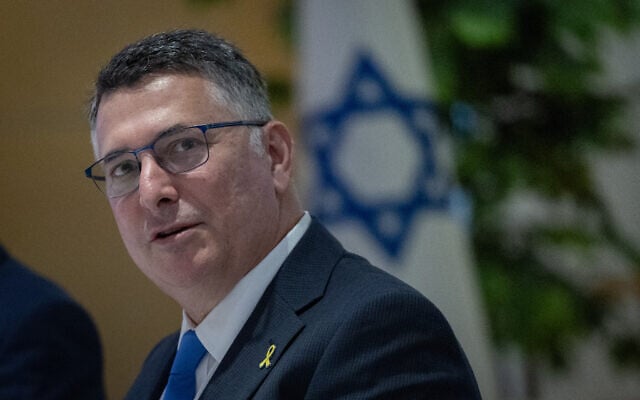
Foreign Minister Gideon Sa’ar said he expects the ongoing talks with Lebanon to help implement the pilot zones.
“We are ready to move forward implementing these two pilot zones. I hope and tend to believe that this round of discussions in Rome will promote it,” Sa’ar told journalists at a press conference in Jerusalem.
US-led diplomacy started after Hezbollah dragged Lebanon into a war by attacking Israel in support of Iran, which was facing a joint US-Israeli air campaign. Talks moved forward despite strong objections from the Iran-backed terror group, which believes only Iranian pressure on Washington can secure an end to the war and Israeli withdrawal.
Iran demanded an end to the war in Lebanon as part of its interim deal with Washington signed last month, but the agreement has been strained over the last week by renewed US-Iranian hostilities in the Gulf.
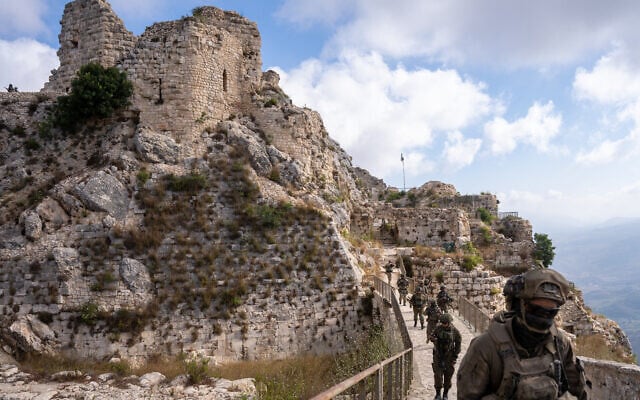
Israel’s military is occupying what it describes as a “buffer zone” about 10 kilometers (6 miles) into Lebanon along the entire length of the Israeli border. Israeli officials say the zone is necessary to protect northern Israeli communities from attacks launched by Hezbollah.
A June 26 meeting in Washington resulted in an agreement calling for an end to the Lebanon conflict, the disarmament of terror groups — an apparent reference to Hezbollah — as well as the deployment of Lebanese troops to the south and the progressive withdrawal of Israeli forces.
But deadly clashes have continued and Hezbollah has rejected the agreement, as well as efforts to disarm it. Israel, meanwhile, has said its troops would remain in southern Lebanon as long as Hezbollah remained armed.
Hezbollah has repeatedly attacked Israel across the border over the years with rockets and drones, disrupting the lives of tens of thousands of Israelis and triggering conflicts.
Settlers enter Lebanon
Also Thursday, a group of settler activists — an adult and four minors — crossed the border into Lebanon before being escorted back to Israel by the Israel Defense Forces.
According to the military, the group of girls was detected crossing the border by “several meters” near the community of Ghajar, which straddles the border.
“Immediately after the detection, security forces launched searches in the area, and a short while later located the civilians and returned them to Israeli territory,” the IDF said.
They were handed over to the police for further questioning.
The group belongs to the Uri Tzafon Movement, a Religious Zionist organization that calls for settlement in southern Lebanon, in areas it claims belong to the Jewish people.
On Monday, several Israeli settler activists again attempted to illegally cross the border into Syria in the southern Golan Heights.
The military said troops stationed in the area prevented the civilians from crossing the border and detained them. They were then handed over to the police for further questioning.
The activists, who call themselves the Bashan Pioneers, have attempted to enter Syria multiple times in the past year, while calling to establish settlements in the area. They have received support from coalition lawmakers.