World
Trump rehashes old grudge with Netanyahu as space for GOP criticism of Israel expands

This Wednesday’s press conference at the G7 was far from the first time that US President Donald Trump recalled how Israel purportedly pulled out of a 2020 joint operation to kill top Iranian general Qassem Soleimani.
Trump has harked back countless times — after his first term in office and later as he began campaigning to return to the White House — about how frustrated he was at Prime Minister Benjamin Netanyahu for supposedly leaving the US to take out Soleimani on its own.
He still regularly touts the success of that operation, but for the past two-plus years had stopped mentioning that Israel allegedly decided not to take part at the last minute. It’s a claim Jerusalem has never confirmed and one that contradicts reporting that Israel actually provided intelligence used in killing Soleimani.
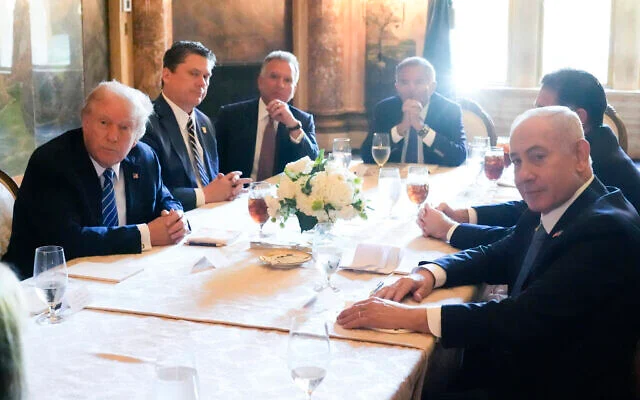
Trump stopped bringing up the supposed Israeli non-role in the operation in early 2024 when he became the Republican Party’s presidential nominee. Shortly thereafter, he held his first meeting with Prime Minister Benjamin Netanyahu since lashing out at the premier for congratulating Joe Biden on winning the 2020 US presidential election.
As the 2024 election approached — and even more so after he won that race — Trump warmed up to Netanyahu significantly, apparently concluding that a close relationship to Israel and its leader would benefit him politically. Those ties became tighter than ever this year, when the US and Israel jointly launched a war with Iran.
Now, Trump’s return to his grievance about Soleimani is one more indication that a rift is again forming between the two men. His rehashing of an old frustration with Israel can easily be tied to newfound disputes over policy that didn’t exist during his first year and a half back in office, but this friction also seems to correlate with how the center of gravity has shifted away from Israel within the Republican Party.
Tying his fate to the Jewish state may have been beneficial for Trump as the GOP presidential nominee just two years ago, in the relatively fresh aftermath of the Hamas invasion and massacre in southern Israel on October 7, 2023. But perceptions of Israel among Republicans — particularly younger ones — have declined since, as Jerusalem has made land grabs in the West Bank, Gaza, Syria and Lebanon, and as Israel’s fight against Hezbollah threatens to derail US-Iran peace talks.
Praising, then clashing with, a ‘wartime prime minister’
When this reporter asked Trump in a March phone interview to explain how he managed to get past his previously stated beliefs that Netanyahu was disloyal and uninterested in peace, the US president dodged the question completely and reiterated his newfound conviction that Netanyahu is a “wartime prime minister” who, together with him, saved Israel from annihilation and should therefore be pardoned on all corruption charges.
Trump had been gushing about Netanyahu for months, as his relationship with Israel reached new heights through the US-brokered January and October 2025 Gaza ceasefire deals that brought back all of the remaining living and dead hostages from Hamas captivity, and through the military operations against Iran in June 2025 and this year, which the US conducted alongside Israel.
But US and Israeli interests eventually diverged in the recent Iran war, as Trump sought to avoid domestic economic fallout ahead of the November midterm elections, while Netanyahu pushed to keep the conflict going and inflict as much damage as possible on the Iranian regime.
The resulting collision, in particular, had to do with Lebanon, which Iran insisted on tying to the broader ceasefire that the US was trying to negotiate as it sought to reopen the Strait of Hormuz.
Israel argued that the conflicts shouldn’t be linked and that the IDF should be given free rein to go after Hezbollah, the Iran-backed terror group firing missiles across its northern border.
Trump, however, has spoken about Lebanon as a sideshow to the fight with Iran, describing it at the G7 as a “pinprick” that threatened his negotiations with Tehran.
Against that backdrop, the IDF’s deadly strikes against Hezbollah deep inside Lebanese territory led Trump to make comments that were akin to those heard from Democratic administrations frustrated over what they viewed as Israel’s lack of care for civilians caught in harm’s way.
“Israel is fighting Hezbollah too long, and too many people are being killed,” Trump said earlier this week. “You don’t have to knock down an apartment house every time you’re looking for somebody. Because there are a lot of people in those apartment houses. And they’re not all Hezbollah — that I can tell you.”

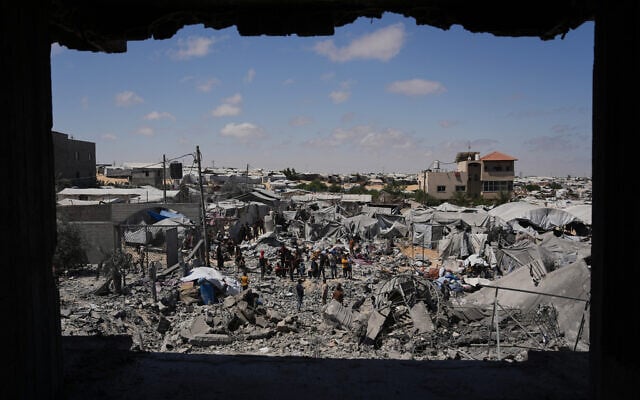
Israel isn’t fighting in Lebanon in a radically different manner than it has been in Gaza, where strikes on Hamas operatives since the October ceasefire began have also taken the lives of nearby civilians.
The difference for Trump is that Iran isn’t trying to tie its negotiations with the US to Gaza like it is with Lebanon. The US president, accordingly, hasn’t weighed in on Israeli strikes in Gaza at all.
In fact, because developments in the coastal enclave haven’t made international headlines in recent months, Trump appears convinced that things are quiet there and that Hamas isn’t using that time to regroup, despite Israeli warnings to the contrary.
“Look at the job we’ve done in Gaza. Hamas has been very silent. You haven’t read anything about Hamas… They’ve actually behaved pretty well,” the US president said at the Wednesday press conference.
It was in that same engagement that he felt comfortable enough — or angry enough at Netanyahu — to bring up the Soleimani operation, as he suggested that critics in Israel of the memorandum of understanding that the US signed this week with Iran have no right to be upset.
“For all of those so-called geniuses who want to show me how smart they are, ask them why didn’t they blow up General Soleimani?” Trump challenged.
A changing GOP on Israel
Trump’s changing tone has come as polls show that his voters are more receptive to criticism of Israel, and have less sympathy for it than they once did.
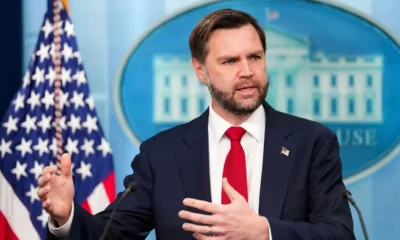
That decline has also given US Vice President JD Vance the political space to say things like, “Donald J. Trump is the only head of state in the entire world who is sympathetic to the nation of Israel at this moment in time,” and that Israeli cabinet members criticizing the deal that the US struck this week with Iran would be wise to zip it and “wake up” to their predicament.
There are some in the party who are urging the administration to throw Israel under the bus for getting the US into the current quagmire with Iran, arguing that Netanyahu’s reported February Situation Room pitch for the US to launch the war presents as the perfect smoking gun.
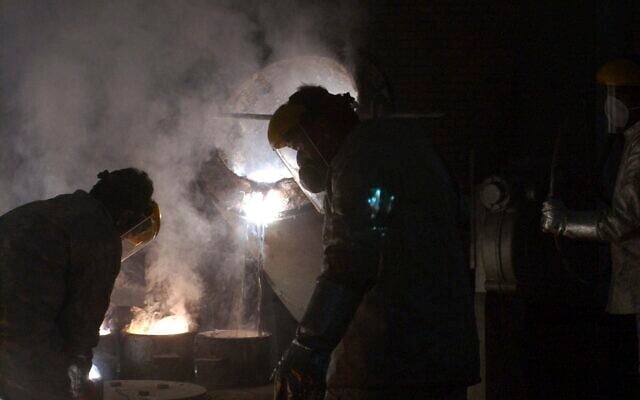
It was in that meeting that Netanyahu is said to have falsely predicted that a joint US-Israeli military campaign would swiftly destroy Iran’s missile program, would weaken Iran so significantly that it wouldn’t be able to close the Strait of Hormuz or target US assets in neighboring countries, and would subsequently collapse the regime entirely, thanks to help from invading Kurdish fighters.
But scapegoating Netanyahu would be an admission by the US president that he allowed himself to be dragged into a war by an Israeli prime minister after campaigning on doing exactly the opposite — something Trump is unlikely to ever concede.
It is hard to miss, though, how Trump is now employing some of the same insults regarding the intellect of those criticizing the Iran MOU that he used against early critics of his decision to launch the war, such as conservative pundits and former close allies Megyn Kelly and Tucker Carlson.
For now, he has been sure to balance his criticism of Israel and its leader with caveats like “Bibi Netanyahu happens to be a good man” — and has continued praising him as a “wartime prime minister.”
But Trump is beginning to realize that for many in his party, that is no longer a compliment now that the Iran conflict has apparently ended.