World
Trump China State Dinner Menu: Every Dish Served at Xi Jinping's Lavish Banquet

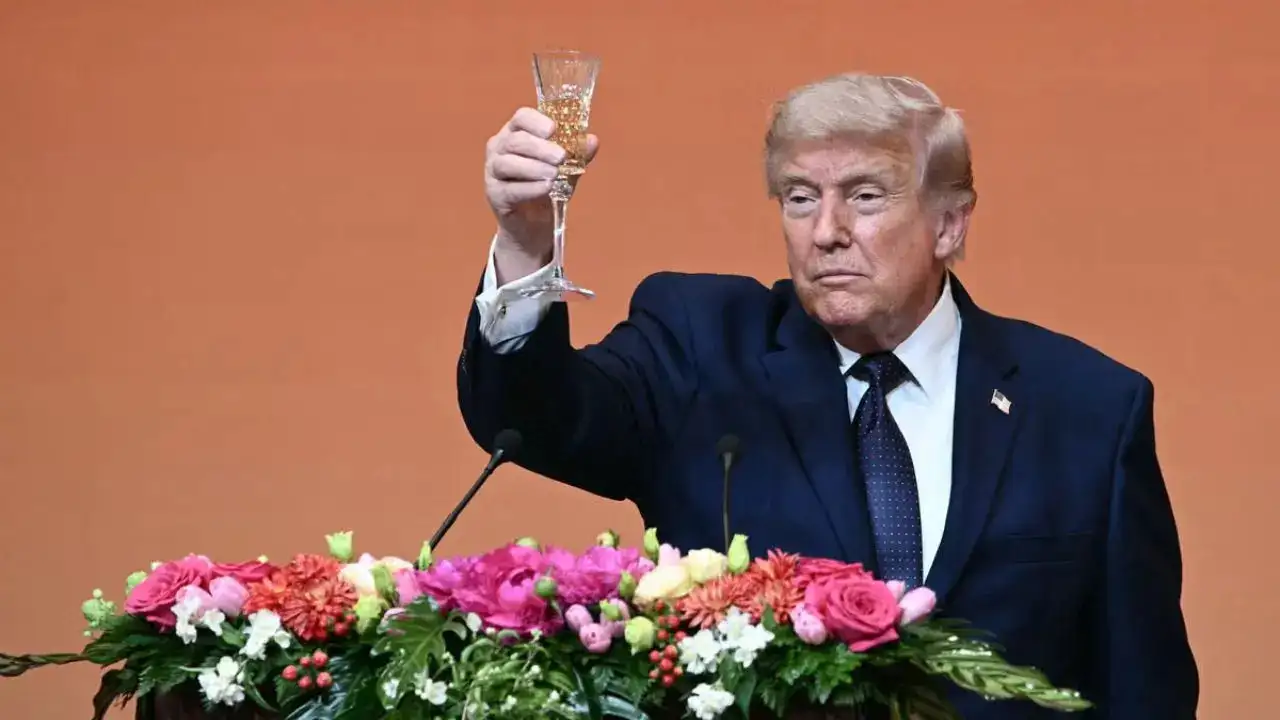
Thursday night’s state dinner in Beijing was a carefully curated affair. President Xi Jinping hosted President Donald Trump at the Great Hall of the People, with the two leaders seated side by side at a banquet table decorated with greenery, a small lake with swans, and miniature Chinese buildings dotted throughout the setting.
The meal was designed to show off Beijing’s culinary identity while quietly nodding to the American president’s well-documented food preferences.
The Full Menu
Here is everything that was on the table:
Hors d’Oeuvres, Lobster in Tomato Soup, Crispy Beef Ribs, Beijing Roast Duck, Stewed Seasonal Vegetables, Slow-Cooked Salmon in Mustard Sauce, Pan-Fried Pork Bun, Trumpet Shell-Shaped Pastry, Tiramisu, Fruits and Ice Cream.
The spread leaned heavily into Beijing’s most celebrated specialties, with the roast duck taking center stage as one of the capital’s signature dishes.
A Nod to Trump’s Tastes
The menu was not purely a showcase of Chinese cuisine. The crispy beef ribs were widely read as a quiet gesture toward Trump’s preference for beef, a nod to the well-done steak he is famously fond of. The inclusion of tiramisu and ice cream, the latter a known favorite of the president, suggested Beijing had done its homework.
It marks a different approach from Trump’s first state visit to China back in 2017, when chefs leaned more explicitly into American comfort food territory, putting together kung pao chicken and stewed beef with tomato sauce to make the president feel at home. This time around, the menu strayed from the Huaiyang cuisine typically served at Chinese state dinners, whilst weaving in touches that catered to the guest of honor.
When Xi visited Trump at Mar-a-Lago in 2017, Trump’s own chefs had prepared a dry-aged prime New York strip steak. Beijing appeared to remember that detail.
What Was Said Before the First Bite
Before the meal began, Trump offered a toast that leaned into the long and layered history between the two countries. He referenced China’s gift of a stone tablet adorned with the Washington Monument and raised an unexpected historical footnote: President Theodore Roosevelt, acting on a request from China’s then-ambassador, helped provide funding to establish Tsinghua University, which happens to be Xi’s alma mater.
Trump framed both moments as evidence of genuine cultural exchange between the two nations, joking that Benjamin Franklin loved sharing Confucius’ teachings with Americans, and that Chinese citizens today have developed a deep affection for American basketball and blue jeans.
He saved a striking stat for the end. “Chinese restaurants in America today outnumber the five largest fast food chains in the United States, all combined,” Trump said. “That’s a pretty big statement.”
Xi’s Message at the Table
Xi used his own toast to make a broader point about the stakes of the relationship between Washington and Beijing. He described it as the most important bilateral relationship in the world and made clear he believes both sides have a responsibility to protect it.
“We must make it work and never mess it up,” Xi said, adding that he and Trump had worked to keep relations “generally stable” through a period marked by tensions over Taiwan, fentanyl, and China’s expanding claims in the South China Sea.
The dinner, by all accounts, was a deliberate and polished display of Chinese hospitality, with enough familiar touches to make the American president feel comfortable at the table.