World
The two possible causes for the cruise ship hantavirus outbreak — one is disgusting, and the other is terrifying

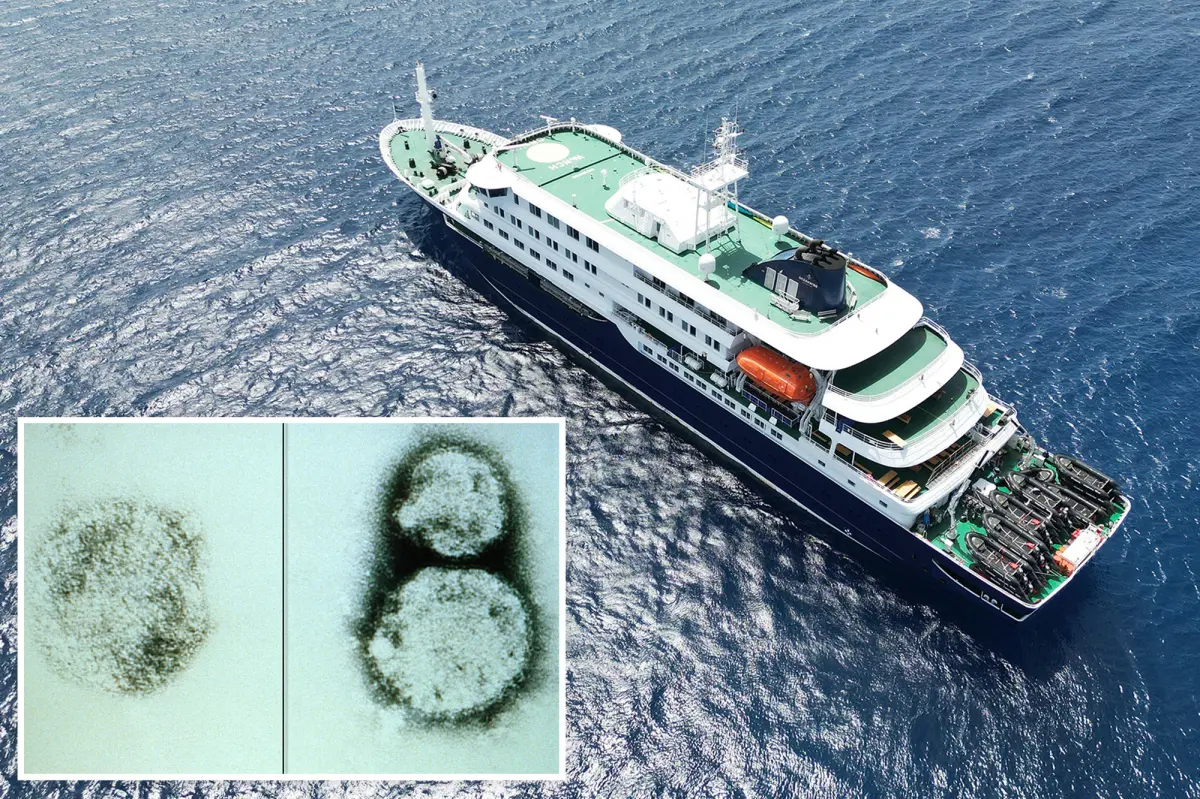
The suspected hantavirus outbreak on the MV Hondius cruise ship, which has killed three people and sickened at least three others, has two likely causes — and both are bad news for the 150 passengers on board, experts said.
The most likely scenario is that passengers on board contracted the virus from the feces, urine or saliva of infected rats or mice. That’s the usual transmission vector, according to physician Zaid Fadul, a former Air Force flight surgeon.
But there’s one strain of the hantavirus that has an alarming exception.
“The Andes virus – that one specific subtype of the hantavirus – in Argentina, where they were, is the one that’s transmitted person-to-person,” Fadul said.
“And that’s where a lot of anxiety in this case is coming from.”
The Andes hantavirus strain carries a mortality rate of nearly 40%, meaning a worst-case scenario could spiral quickly in such a confined environment like the 80-cabin, 353-foot ship, the doc explained.
“And that’s why everyone is so scared,” he said.
The Dutch cruise liner had departed from Ushuaia, Argentina, on March 20 for its weeks-long “Atlantic Odyssey” voyage before the suspected hantavirus turned deadly.
Three passengers have since died — one confirmed from hantavirus — and another is fighting for his life, as the vessel with roughly 150 passengers remained stranded off West Africa Monday.
Authorities were working to evacuate two additional pick passengers, as well.
“If it is the Andes virus … you’ve got 150 people stuck on a cruise ship in close contact,” warned Fadul, the head of doctors’ group Bespoke Concierge.
Still, experts stress there’s no reason to panic.
“Prevention is the key,” Fadul said, adding that “good hand hygiene, staying away from people” and wearing a mask while around others could significantly reduce risk.
Health officials say a less terrifying explanation is far more likely: exposure to a rodent-borne strain, which are typically contracted by inhaling the virus from infected droppings.
Fadul doubts the source originated onboard.
“They could have picked it up anywhere — I don’t think it came from the ship,” he said, noting that hantavirus can take weeks to show symptoms after exposure.
Other experts agree the outbreak probably came from vermin.
“The most likely situation is that people travelling from South America came in contact with infected rodents’ dropping in this part of the world,” said Giulia Gallo, a virus researcher with the Pirbright Institute in the UK.
“At the moment, we cannot be sure where the contact happened: it might have been during touristic activities in the region, or infected rodents might have been present on the ship,” Gallo said, the Science Media Centre reported.
The luxury cruise ship was refused permission to dock in the West African island nation of Cape Verde on Monday, after the boat had requested help from local health authorities following the latest death.
Authorities in the country, which has a population of 500,000, said the decision was made out of precaution, citing the “aim of protecting national public health.”
So far, no one has been allowed to disembark except those who need urgent medical care, according to Oceanwide Expeditions, the company operating the cruise ship.
The company said it was “managing a serious medical situation” and looking into whether the ship could sail to the Canary Islands, about 1,000 miles northeast, so that passengers could be screened and allowed to leave the ship.
Gallo said the World Health Organization and other public health agencies will have to investigate the circumstances leading up to the three suspected hantavirus deaths on board the cruise ship.
“It would be necessary to identify any potential source of infection on the ship, and trace back the journey of the patients, to know if they visited American regions were hantaviruses are reported,” she told the outlet.