World
The Swiss summit of imperial humiliation

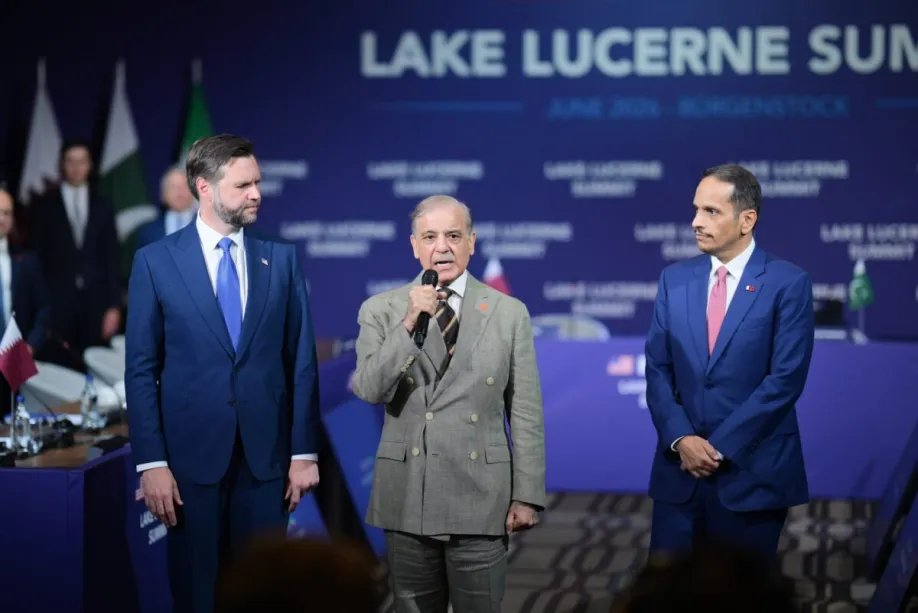
In Switzerland, amid the alpine calm where empires go to perfume panic as diplomacy, Iran delivered another masterclass in the ancient art of refusing to kneel.
The Americans arrived with the usual imperial luggage: threats, ultimatums, sanctions theology, and that peculiar Washington habit of mistaking obedience for “peace.” Iran arrived with something far less fashionable and far more effective: leverage. Not the decorative leverage of think-tank seminars and cable-news generals, but the real kind — the kind that closes straits, terrifies markets, freezes war rooms, and forces the self-appointed masters of the universe to rediscover geography.
The spectacle would be hilarious if it were not so historically obscene.
Instead, the empire found itself bargaining with a country it had failed to break. The result was not Iranian capitulation. It was American improvisation — and improvisation by a declining empire always sounds the same: threats in public, panic in private, and a desperate attempt to rename retreat as strategy.
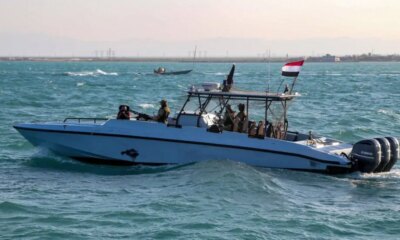
That is why the Strait of Hormuz matters. In the fantasy literature of American empire, waterways are lines on maps guarded by aircraft carriers and narrated by admirals. In reality, they are political arteries. When Iran demonstrated that it could interrupt the world’s most sensitive energy passage, it did more than create a shipping problem. It shattered a mythology. The empire discovered, rather late in its education, that the sea has neighbors — and that those neighbors have memories.
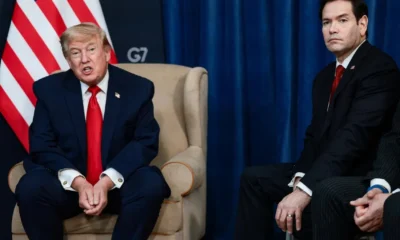
Washington’s response was pure imperial farce. Trump threatened, blustered, contradicted himself, and performed his usual routine: half Caesar, half casino promoter, with the emotional discipline of a man losing an argument to a mirror. One moment he wanted a deal; the next he wanted tribute.
Yet beneath the orange thunder was the essential fact: America needed the strait open, the markets calm, the war contained, and the humiliation disguised. Iran understood this. More importantly, Iran acted on it.
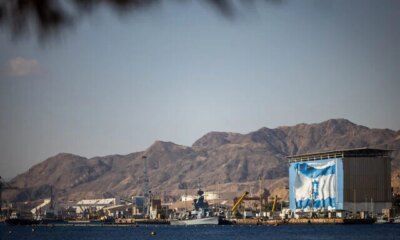
Netanyahu, meanwhile, performed the role history has assigned him: arsonist in a fireman’s helmet. His political survival depends on permanent emergency. War is not merely his instrument; it is his oxygen. Defeat must be repackaged as deterrence, slaughter as security, occupation as necessity, and humiliation as a “strategic achievement.”
But this time the room for Israeli theatrics narrowed. Iran’s pressure, Hezbollah’s endurance, the strain on global markets, and Washington’s fear of economic catastrophe produced a rare collision between Israeli maximalism and American self-preservation. For once, unconditional support for Israel began to look expensive even to its underwriters. Let us not become sentimental: this was not morality awakening in Washington. It was arithmetic. But in imperial politics, arithmetic sometimes does what conscience is too cowardly to attempt.
Here lies the exquisite irony. The United States spent decades trying to teach Iran the meaning of pressure. Iran returned the lesson, corrected the grammar, and underlined the thesis. Pressure is not a press release. It is not a Lindsey Graham war fantasy delivered between television segments. It is not Netanyahu’s sweaty monologues about victory while the region watches his project rot from within. Pressure is the ability to alter the enemy’s choices. In Switzerland, Iran is proving it can do precisely that.
The Americans may still posture. Trump may still rage into the digital void. Netanyahu may still deliver speeches polished with self-pity and fraud. The professional warmongers may continue promising wars they will never fight, depressions they will never suffer, and corpses they will never count. But beneath the noise sits the brutal reality: Iran survived the siege, absorbed the blows, retained escalation dominance, defended its allies, protected its sovereignty, and forced the conversation onto terrain of its choosing.
That is the defeat Washington cannot confess and Israel cannot metabolize. Not merely that Iran endured, but that Iran emerged demanding compliance. Not merely that coercion failed, but that the coerced state exposed the coercer’s dependence. Not merely that the empire blinked, but that everyone saw it blink.
Iran’s message could not be clearer: no surrender, no submission, no confession of guilt to satisfy an empire addicted to obedience. If Washington wants de-escalation, it must pay in substance. If it wants open waterways, it must respect red lines. If it wants agreements, it must implement them. And if it insists on calling this diplomacy, it should begin with the only honest admission available: coercion failed, Iran stood, and the age of bullying Tehran into submission is over.
The views expressed in this article belong to the author and do not necessarily reflect the editorial policy of Middle East Monitor.