World
The rise of energy finance diplomacy

Solar panels, wind turbines, batteries and hydrogen technologies are advancing
rapidly. But deploying them at scale requires enormous amounts of capital—not only for power generation, but also for electricity grids, storage facilities, ports and critical mineral supply chains.
The scale of the challenge is already visible. The International Energy Agency estimated that global energy investment would reach $3.3 trillion in 2025, with about $2.2 trillion directed towards clean technologies. Yet investment remains heavily concentrated in advanced economies and China, while many emerging and developing countries face high borrowing costs and limited access to long-term finance. The IEA estimates that annual clean-energy investment in emerging and developing economies will need to more than triple by the early 2030s.
This is changing the logic of energy diplomacy. During the oil age, power flowed mainly through production quotas, export contracts, pipelines and shipping routes. These instruments still matter. But governments are now also competing through project finance, risk guarantees, equity ownership and long-term investment partnerships.
Three broad approaches are shaping this new competition. They are not rigid categories and often overlap. But they reveal how China, Western economies and the Gulf states are using finance differently.
China has built a state-backed model combining policy banks, state-owned companies, engineering capacity and project delivery. Finance often arrives alongside Chinese contractors, equipment and technical standards. Ports, power plants, transmission networks and industrial zones can therefore become part of a wider economic and diplomatic relationship.
Western economies have pursued another approach. Through initiatives such as the EU’s Global Gateway and the G7’s Partnership for Global Infrastructure and Investment, they seek to mobilise public and private capital while promoting transparency, environmental safeguards and regulatory standards.
Their advantage lies not only in the capital they can potentially mobilise, but also in their ability to shape the rules governing future energy markets. Yet Western initiatives can face slower delivery, political fragmentation and a persistent gap between announced commitments and completed projects. Complex approval procedures may also make them less attractive to governments seeking rapid infrastructure development.
The Gulf states represent a third and increasingly important model. Rather than exporting a single regulatory system or relying mainly on construction capacity, Gulf countries deploy state-backed investment with considerable political flexibility. Their sovereign wealth funds and energy companies can work with Western financial institutions, Chinese contractors and emerging economies without committing exclusively to one geopolitical camp.
That flexibility is especially valuable at a time when energy investment is becoming entangled with wider competition over technology, trade and political alignment.
The geopolitics of spare capacity: The hidden weapon in energy diplomacy
The Gulf’s growing role is already visible in real projects.
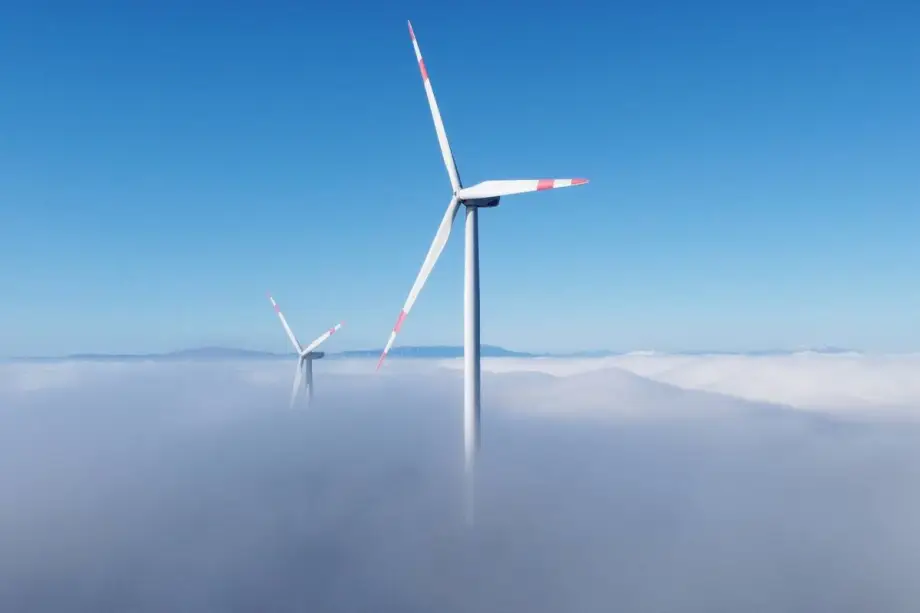
Masdar has expanded its renewable-energy presence across the Middle East, Africa, Europe and Central Asia. In Uzbekistan, it has helped develop utility-scale solar, wind and battery-storage projects. It is also developing a one-gigawatt wind farm with battery storage in Kazakhstan—an example of how Gulf capital is entering national energy systems far beyond the Arabian Peninsula. Masdar’s project portfolio reflects this widening geographical reach.
ACWA Power has pursued electricity, desalination and hydrogen investments from Egypt to Central Asia. ADNOC, meanwhile, has expanded beyond conventional oil and gas through international partnerships in lower-carbon energy, carbon management and industrial cooperation. Its launch of XRG, an investment company valued at more than $80 billion, further illustrates the attempt to turn energy revenues into a wider global investment platform. ADNOC describes XRG as focusing on gas, chemicals and lower-carbon energy solutions.