World
The Next Energy War Will Be Over Rules, Not Resources

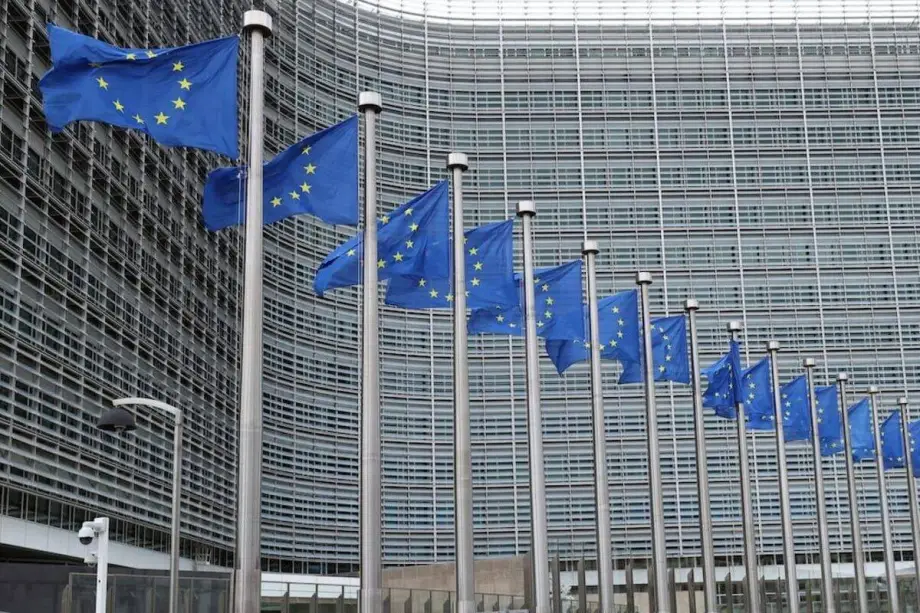
When the European Union officially launched the Carbon Border Adjustment Mechanism (CBAM), much of the world’s attention focused on its environmental implications. Governments debated carbon emissions, exporters calculated potential costs, and industries assessed their competitiveness. Yet beneath the climate narrative lies a far more consequential geopolitical shift.
CBAM is not merely an environmental regulation. It is an attempt to shape the rules of tomorrow’s global energy economy. For decades, international competition in energy centred on physical assets. Countries sought to secure oil fields, natural gas reserves, pipelines and strategic maritime routes. Energy diplomacy revolved around production quotas, long-term supply contracts and control over transportation corridors.
That era is beginning to evolve. The next phase of global energy competition will increasingly be defined not only by who produces energy, but by who determines how energy is produced, measured, certified and traded.In other words, the future contest will be fought as much through regulation as through resources.
The Rise of Regulatory Power
The United States shaped global finance through the dollar and international financial institutions. European countries exercised influence through regulatory frameworks governing aviation, pharmaceuticals and consumer products. International shipping operates according to rules agreed long before individual cargoes reach ports.
Energy is entering a similar transformation. As hydrogen markets expand, carbon pricing mechanisms mature and clean-energy technologies become integral to international trade, technical standards are becoming strategic instruments of power.
Questions that once appeared highly specialised now carry enormous geopolitical consequences.
Who defines what qualifies as “green hydrogen”?
Which methodology measures carbon intensity?
Whose certification system becomes internationally recognised?
Who determines sustainability requirements for traded energy products?
These are not merely scientific or technical questions. They are decisions capable of shaping investment flows, industrial competitiveness and global supply chains for decades.
Countries writing these rules are also shaping future markets.
READ: Oil prices rise as US-Iran tensions escalate