Trends
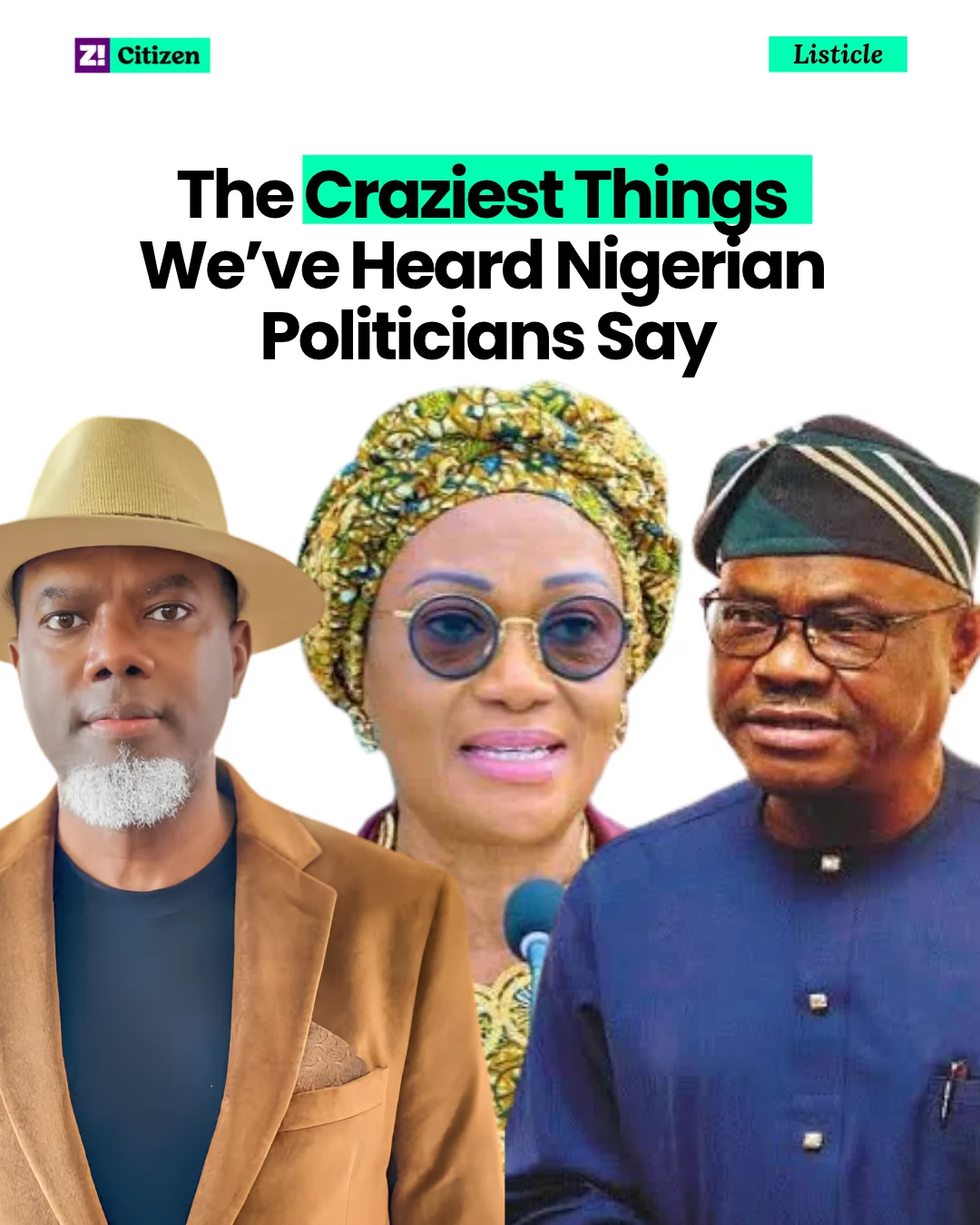
The Craziest Things We’ve Heard Nigerian Politicians Say

Nigerian politicians have a special talent for making headlines, and sometimes, it has nothing to do with policies, projects or promises.
One minute, they’re asking for your vote; the next, they’re threatening to flog you, telling people to sell akara or kill their opponents or casually suggesting that someone should be shot.
At this point, are we listening to campaign speeches or auditioning for a political thriller? And the wildest part? These aren’t made-up lines from a Nollywood script. Actual politicians said them.
Here are some of the wildest things Nigerian politicians have said in recent times.
Senate President Godswill Akpabio, on October 13, 2026, while arguing that attempted suicide should remain punishable by imprisonment.
Senator Francis Fadahunsi, of Osun East, threatening Accord Party members on August 11, 2026, while addressing APC supporters ahead of the Osun governorship election.
Senate President Godswill Akpabio on July 30, 2024, gesting just days before the nationwide #EndBadGovernance protests.
FCT Minister Nyesom Wike talking about Channels TV presenter Seun Okinbaloye on April 3, 2026, after taking issue with the journalist’s comments about Nigeria becoming a one-party state.
First Lady Oluremi Tinubu advising Nigerians in June 2026 while discussing grants for small businesses under the Renewed Hope Initiative, including roasting corn and making kuli-kuli.
Edo State ADC Publicity Secretary Chris Ojeikere responding to threats from opposition supporters in the state in October 2026.
Abuja Minister Nyesom Wike promising councillors in Kwali, Abuja, at a political meeting in November 2026, offering them ₦10 million each if they secure their wards for Tinubu in 2027.
Former Kaduna State governor El-Rufai on October 18, 2015, talking to critics who complained that his political appointments favoured people who supported him during the election.
Former NNPP Board of Trustees secretary Buba Galadima on May 2, 2026, while urging Nigerians to go to polling units with bottles and jerrycans of kerosene during the 2027 elections.
Reno Omokri, ambassador-designate to Mexico, on September 13, 2026, during an appearance on Sunday Politics, while discussing food prices.
Former Kogi senator and ADC chieftain Dino Melaye, on April 20, 2026, boasting that he could defeat President Bola Tinubu in a free and fair election.
Deputy Senate Chief Whip Onyekachi Nwaebonyi, on August 1, 2026, arguing that Nigerians should grow their own food instead of buying everything from the market.
Borno Commissioner Sainna Buba threatening people who opposed the ruling party in September 2026 while addressing supporters in Maiduguri.
The Big Daily is your weekday shortcut to the biggest news shaping Nigeria. We cut through the noise, connect the dots, and explain why the news actually matters, all in one quick read.
Edo State Governor Monday Okpebholo directed the warning at Peter Obi on July 18, 2025, after the former presidential candidate visited the state.
Member of the House of Representatives, Ephraim Nwuzi, in Rivers State, captured in a viral video in February 2023, urging people to shoot and kill voters during the 2023 presidential election.
Chairman of Esan West Local Government Area, Edo State, Blessing Ebhodaghe, in September 2026, warning business owners not to allow opposition parties to use their premises.
Blessing Ebhodaghe, Chairman of Esan West LGA in Edo State, in September 2026 while warning commercial drivers against displaying the symbols of opposition parties.
Yobe State APC Chairman Muhammad Gadaka, during a political rally in Nangere in September 2026, while offering to pay the dowry of women who left their husbands over the party disagreement.
Ebonyi State Governor Francis Nwifuru warning newly elected local government chairmen on September 1, 2026, that they could lose their seats if the APC failed to win their councils in 2027.
Politicians are entitled to their opinions, but public office comes with a responsibility to speak and act with restraint. Threats, violent language and attempts to intimidate citizens or political opponents should not be brushed aside as jokes or campaign banter.
Citizens don’t have to accept this as normal. They can demand explanations, call out dangerous rhetoric, document and report threats, and hold elected officials accountable through the media, civic organisations, public petitions and, where necessary, the courts. At the ballot box, they can also make their displeasure count.
While all of these are happening, the question is: how long do we keep laughing off statements that should concern us?