World
Syria’s interim parliament meets for first time after Assad overthrow

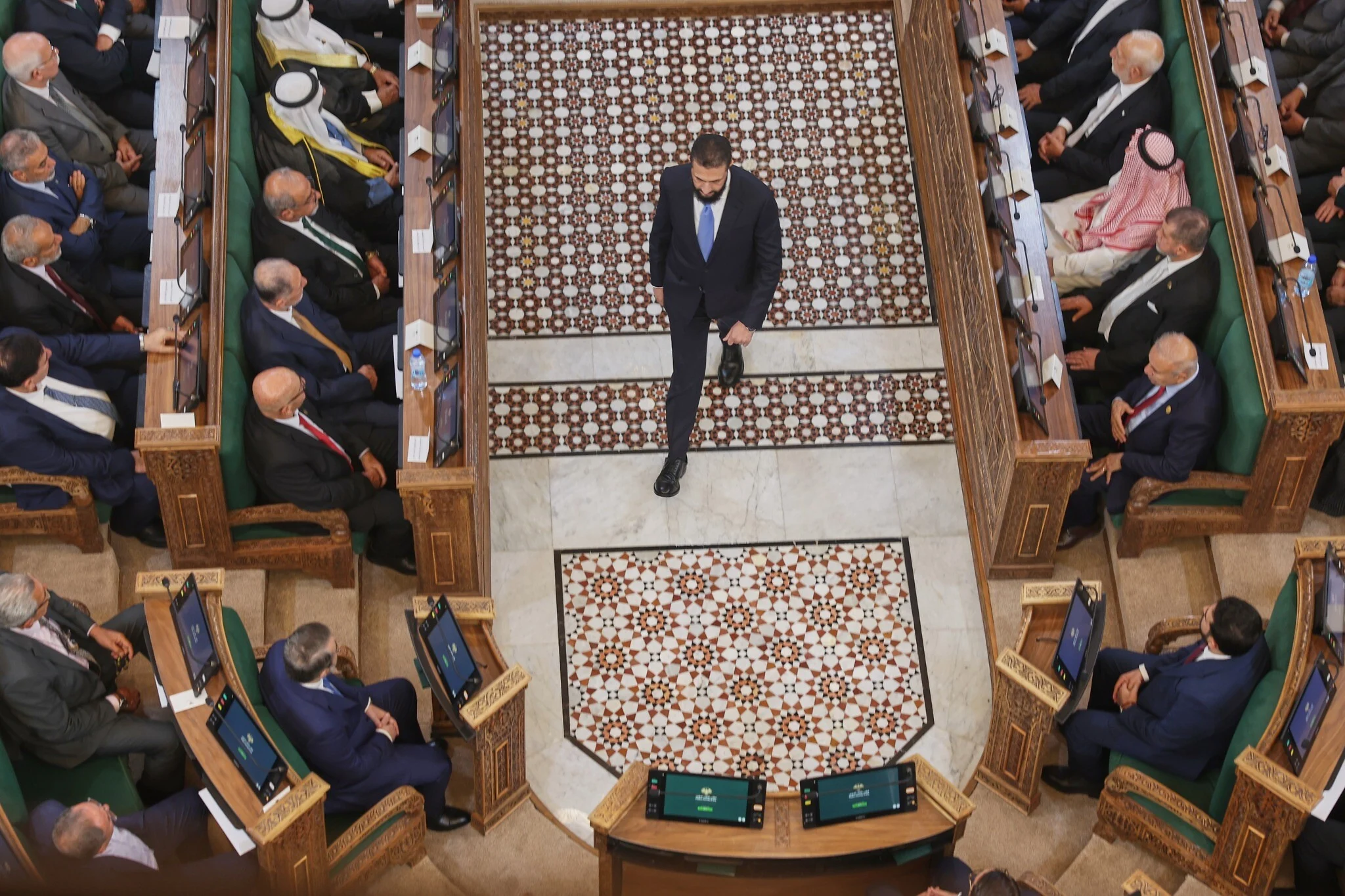
Syria’s transitional parliament began its inaugural session Sunday in Damascus, where it will be tasked with drafting the country’s new constitution more than a year after rebels led by eventual president Ahmad al-Sharaa overturned decades of authoritarian rule.
Syria’s new authorities dissolved the country’s rubber-stamp legislature after toppling longtime dictator Bashar al-Assad in December 2024 and adopting a temporary constitutional declaration meant to remain in effect during a five-year transition period.
In his opening remarks before the newly formed People’s Assembly, Sharaa called on lawmakers to be “models of responsibility and competence, and to contribute to establishing a culture of dialogue, the rule of law and respect for institutions.”
“Syria is writing a glorious history that reflects its heroism, and we face the responsibility of building both the nation and the individual,” he said.
Last October, in a process that critics labeled as undemocratic, local electoral colleges whose members were appointed by a higher body in the caretaker government began to select two-thirds of the 210 designated People’s Assembly members.
Sharaa on July 1 appointed 70 legislators, comprising the remaining one-third of the legislative body.
The Assembly, with limited power, can propose and approve laws over its renewable 30-month term. The body is slated to assume legislative authority until a permanent constitution is adopted and elections are held, and was expected to form a constitution-drafting committee, approve the country’s budget and pass legislation related to state-building.
Officials defended the temporary system as necessary, saying direct elections were unworkable after years of brutal warfare left millions displaced, making it impossible to rely on accurate population records or voter rolls.
Sharaa has publicly stated that he supports holding general elections once infrastructure and documentation allow.
Critics, meanwhile, said the process grants the executive branch undue control over the legislative process and does not adequately account for Syria’s women and ethnic minorities.
Authorities have not issued a breakdown of how many lawmakers hail from ethnic and religious minorities, but unofficial tallies have shown that 10 of the seats chosen last year went to members of religious and ethnic minorities including Kurds, Christians and Alawites, the sect to which Assad belongs.
Despite the parliament’s 210-member makeup, the session began with four seats vacant, after one lawmaker died and three seats reserved for the predominantly Druze province of Sweida were yet to be filled.
Mohamed Taha al-Ahmed, who heads the government council that appointed the electoral colleges, said the selection of lawmakers for the southern region has been postponed until “conditions become suitable.”
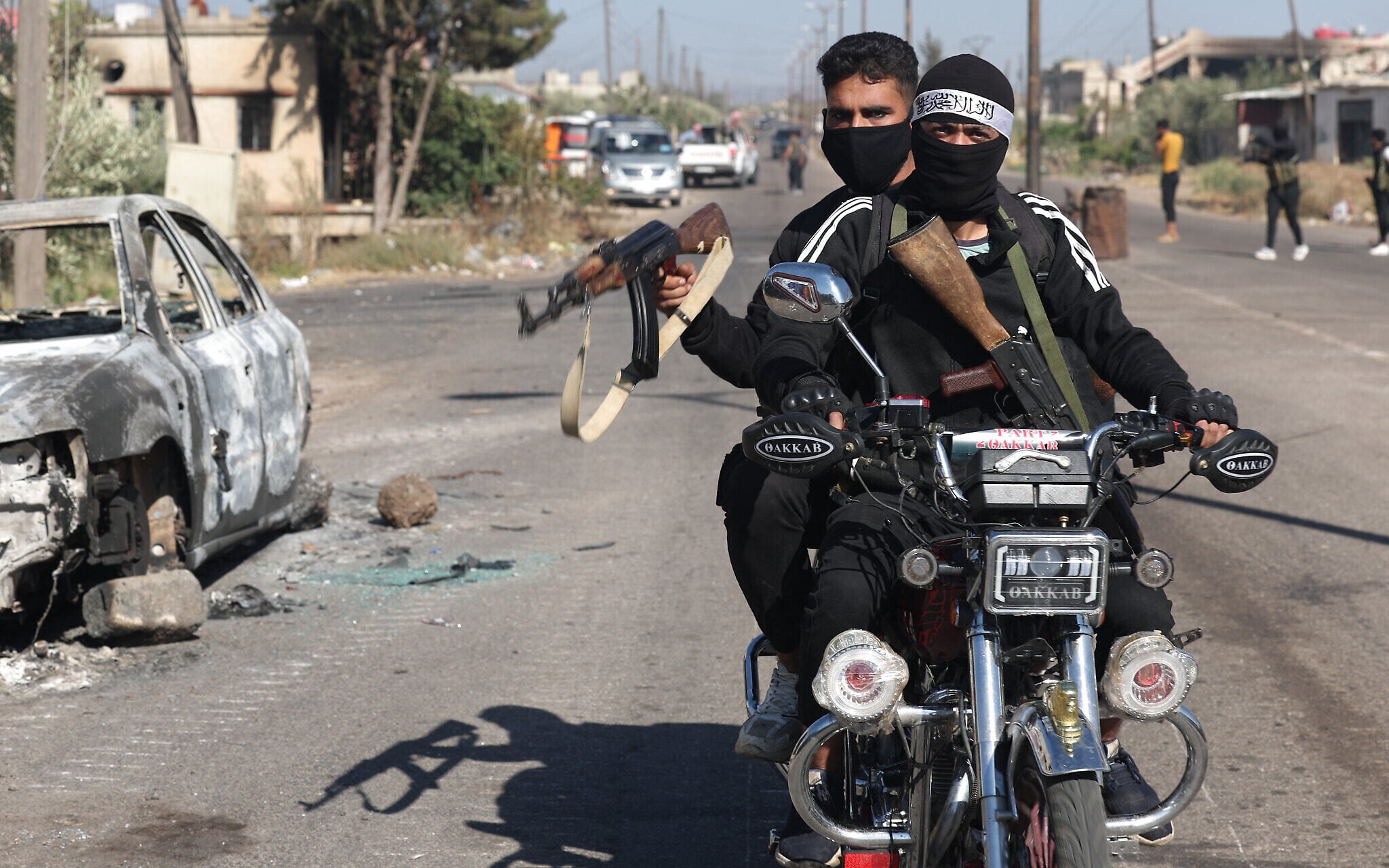
The area has remained outside state control since government forces and allied fighters from local Bedouin tribes clashed with Druze militias there last July, leaving some 1,700 people killed, according to a United Nations tally.
Meanwhile, the selection process was held in formerly Kurdish-run areas of the north and northeast earlier this year, after the Damascus authorities assumed control there and signed a deal on integrating Kurdish institutions into the state.
The chamber has 21 female lawmakers, 15 of whom were among those nominated by Sharaa, meaning women comprise some 10 percent of the chamber.
Representatives were sworn in and were expected to elect the assembly’s presiding body later Sunday.
Sharaa, a former al-Qaeda operative who severed ties with the terror group a decade ago, has reshaped Syria since toppling Assad, building close ties with Western states and vowing a new era of freedom.
His first year in power was jolted by several bouts of violence pitting regime forces and pro-government fighters against members of minority groups, in particular Sweida’s Druze population.