World
Syria expecting Macron in first post-Assad visit by Western head of state

DAMASCUS, Syria (AFP) — Syria said on Sunday it was expecting a visit by French President Emmanuel Macron, the first by a Western European head of state since Syria’s new leader Ahmed al-Sharaa took power in 2024.
State news agency SANA, citing the Syrian presidency’s media office, said “Macron is expected to visit Syria to discuss ways of strengthening bilateral relations and issues of common interest,” without specifying a date for the trip.
The French presidency did not immediately comment.
The last French president to visit was Nicolas Sarkozy in 2009, before longtime ruler Bashar al-Assad brutally crushed pro-democracy protests in 2011, sparking a conflict that killed more than half a million people and devastated Syria.
SANA said Macron would be accompanied by a delegation “including investors and representatives of French companies” and discussions would also address “regional and international” developments.
The announcement came after a bombing at a Damascus cafe on Thursday killed 10 people, the latest challenge to Syria’s new authorities as they seek to reunify the country after more than 13 years of civil war.
Early last year, Qatar’s Emir Sheikh Tamim bin Hamad Al-Thani became the first foreign head of state to visit Damascus after Assad’s December 2024 ouster.
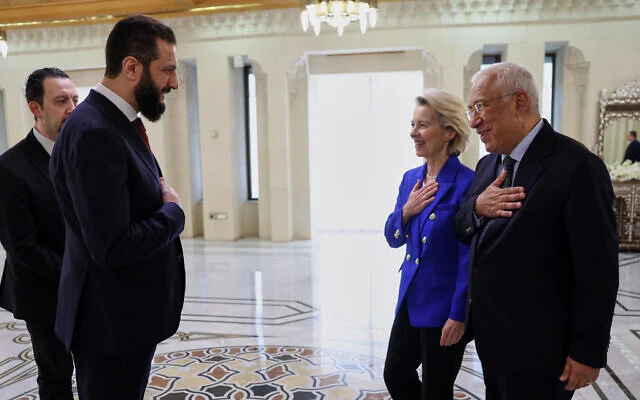
European Commission chief Ursula von der Leyen visited in January, and Ukraine’s President Volodymyr Zelensky followed in April.
But Macron is the first head of an EU state and prominent Western leader to head to the Syrian capital, after hosting Sharaa in Paris last year despite controversy over receiving the former leader of Syria’s Al-Qaeda affiliate turned statesman.
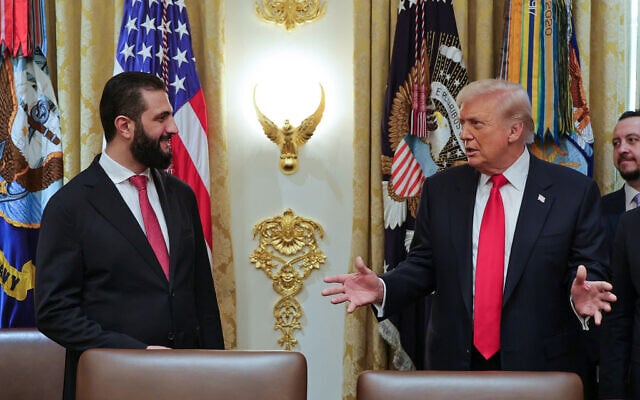
That visit preceded Sharaa’s Washington trip last year to meet US President Donald Trump.
Kurds, fight against IS
Sharaa is seeking to rebuild his country after the easing of Assad-era Western sanctions.
Syria specialist Arthur Quesnay told AFP that Macron was a driving force behind the new Syrian leadership’s normalization of ties with Western countries.
“He gave Sharaa a leg up on the international stage,” Quesnay said, adding that Macron “needs to show it was a good bet.”
Bassam Barabandi, a Syrian diplomat and founder of the Nexus MENA think tank, said that with a visit by Macron, France “is telling the Americans that we have a share in the Syrian market as much as you have. And we would love to have influence in Syria the way you have.”
But “I think they came late and after many mistakes,” he said, noting in particular French support for the autonomy of Syrian Kurds.
Earlier this year, Damascus took control of swathes of north and northeast Syria previously under Kurdish control, and the Kurds agreed a deal to integrate their civil and military institutions into the state, in a blow to their aspirations for autonomy.
With international support, Syria’s Kurds were key to the fight against the Islamic State jihadist group in Syria during the civil war, leading to IS’s territorial defeat there in 2019.
Macron is eager for Sharaa to maintain his pledge to protect minorities, after sectarian bloodshed in the country’s Alawite and Druze heartlands last year.
France, which itself has seen deadly IS attacks, is also likely to have the fight against the jihadists on the agenda, after Syria joined the international anti-IS coalition last year.
A handful of French jihadists are still present on Syrian soil.