Breaking
Supreme Court Ruling Could Transform Ghana’s Party Politics — Hassan Ayariga Weighs Pros, Cons and Challenges

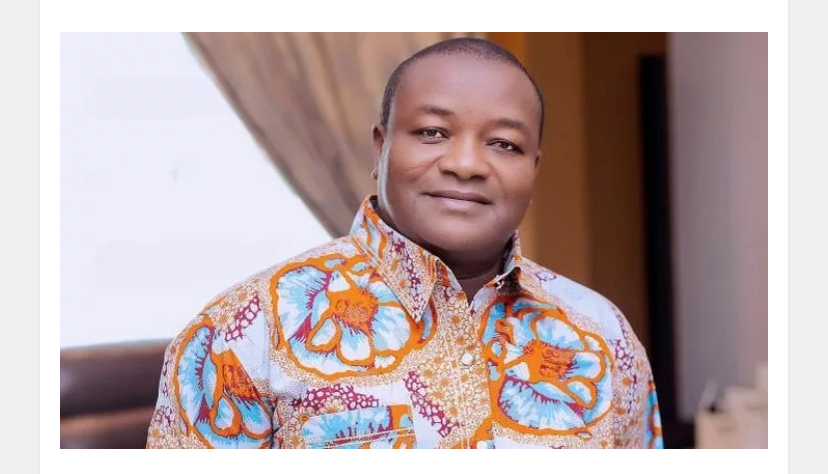
Founder of the All People’s Congress (APC), Dr. Hassan Ayariga, has shared his views on the potential impact of the Supreme Court’s ruling on internal political party elections, describing it as a development that could fundamentally reshape Ghana’s democratic landscape.
In a lengthy statement, Ayariga said that if the ruling is fully implemented, it would mark a significant shift from the current delegate system to one that gives ordinary party members a greater role in selecting presidential and parliamentary candidates.
According to him, the decision comes with both opportunities and challenges, stressing that its success will depend largely on how it is implemented.
Benefits of the ruling
Ayariga said one of the biggest advantages would be greater participation by grassroots party members, allowing every eligible member in good standing to vote directly for candidates instead of leaving that responsibility to a relatively small group of delegates.
He argued that such a system would reduce the influence of party insiders and delegates, strengthen internal democracy, and make party leaders more accountable to the wider membership.
He also believes the move could reduce the practice of “delegate buying,” although he cautioned that it would not eliminate money politics entirely. Instead, candidates may simply shift their spending toward mass campaigns, voter mobilisation and advertising.
The APC leader further noted that candidates chosen directly by hundreds of thousands of party members would enjoy greater democratic legitimacy than those elected by a few delegates.
He added that the ruling could also benefit smaller political parties by encouraging more transparent and grassroots-driven internal electoral processes.
Concerns and challenges
Despite the potential benefits, Ayariga warned that organising nationwide direct primaries would significantly increase costs due to the need for more polling centres, election officials, voter verification systems, security and logistics.
He also cautioned that direct primaries could introduce new forms of manipulation, including fraudulent membership registration, vote buying, voter transportation and exploitation of weak party databases.
According to him, highly competitive nationwide primaries could deepen divisions within political parties and encourage candidates to campaign along ethnic, regional or religious lines.
He further warned that reducing the role of delegates and party executives could weaken existing party structures and require political parties to rethink how they organise and motivate their officials.
Key implementation hurdles
Ayariga identified several major issues that would need to be addressed before direct primaries could succeed.
These include establishing a clear definition of who qualifies as a party member in good standing, creating credible and verifiable membership registers, determining how such elections would be financed, strengthening electoral security and addressing potential legal disputes arising from the Supreme Court’s decision.
Impact on Ghana’s political landscape
According to Ayariga, the ruling could force major political parties such as the NDC and NPP to review their constitutions and internal electoral rules, potentially disrupting existing delegate-based structures.
In the medium term, he believes the balance of power within political parties could shift from delegates and executives to ordinary members, requiring aspiring candidates to build broader grassroots support.
Looking further ahead, he said the ruling has the potential to deepen internal democracy if accompanied by transparent financing, reliable membership databases and strong safeguards against electoral manipulation.
Money politics remains a concern
Ayariga stressed that while direct primaries may reduce the influence of delegates, they will not automatically eliminate money politics.
Instead, he argued, political influence could simply move from buying delegates to financing large-scale voter mobilisation unless strict regulations are introduced.
He called for stronger campaign finance laws, spending limits, transparent donation disclosures, effective membership verification, tougher measures against vote buying and greater transparency in party finances.
Final assessment
Concluding his remarks, Ayariga described the Supreme Court’s ruling as a potentially positive step for Ghana’s democracy but emphasised that its success would depend on careful implementation.
He said genuine internal democracy requires broad participation, credible membership registers, transparent financing and strong electoral safeguards.
Without those measures, he warned, Ghana risks replacing delegate politics with large-scale money politics and new forms of internal electoral manipulation.