World
Strait of Hormuz maritime trade bears heavy brunt during 100 days of Iran war

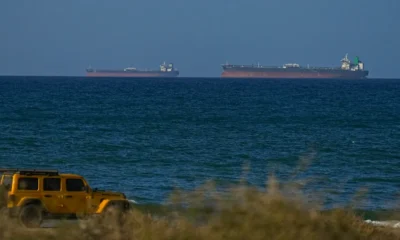
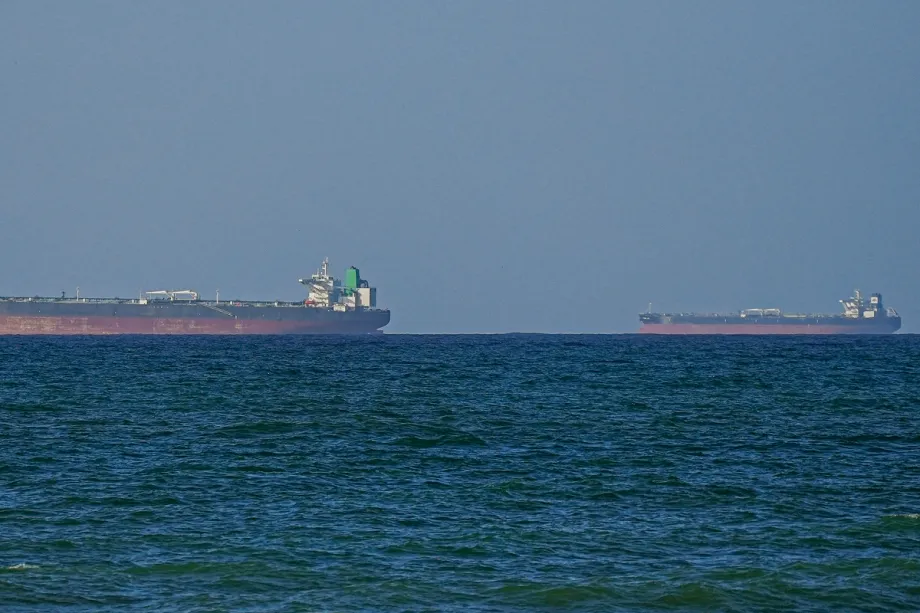
The Strait of Hormuz, a key chokepoint for global maritime trade, handled nearly 1,000 ships in the 100 days since the US-Israel-Iran war broke out in the region, marking a figure that the waterway would have seen in only a week under normal conditions, Anadolu reports.
The Strait of Hormuz is a narrow waterway at the mouth of the Gulf, connecting Middle Eastern oil and liquefied natural gas (LNG) to global markets via the Arabian Sea and the Indian Ocean.
The chokepoint accounted for 20% of the global daily oil consumption and liquefied natural gas (LNG) trade prior to Feb. 28, when the US and Israel preemptively attacked Iran and Tehran made subsequent retaliations, striking regional infrastructure.
The waterway also accounts for one-third of the seaborne fertilizer trade.
The primary methods for vessels to transit the chokepoint have been paying Iran or seeking diplomatic solutions via negotiations.
Some vessels passed through the strait with their Automatic Identification System (AIS) transponders turned offline. This period saw the emergence of a new route within Iran’s territorial waters, while some ships continued sticking to the route designated by the International Maritime Organization.
Prior to the conflict, an average of 129 vessels transited the Strait of Hormuz per day on Feb. 1-27, according to the UN Conference on Trade and Development (UNCTAD), near the historical average of 138 ships per day, as per the UK Maritime Trade Organization.
READ: Iran conflict takes heavy toll on global economy, trade in past 100 days
However, the number of ships in the first 100 days of the war plummeted over 90% versus pre-war levels.
Some 988 commercial ships transited the Strait of Hormuz since the start of the war, 84 of which were container ships, as of June 7, at 0700 hours GMT, according to data from analytics firm Kpler.
The daily vessel transits through the strait stood at 10 on the 100th day of the war.
While around 1,000 vessels would have typically transited the strait within a week under normal conditions, fewer than that managed to pass the waterway over the 100-day period. Among the vessels able to pass, a massive portion was made up of shadow fleets or sanctioned vessels.
Historic drop
Ship crossings through the Strait of Hormuz reached 78 on Feb. 28, and following the start of the war, the figure dropped to 30 on March 1 and 13 on March 2.