World
Starmer’s authority shaken by defence secretary’s exit over military funding

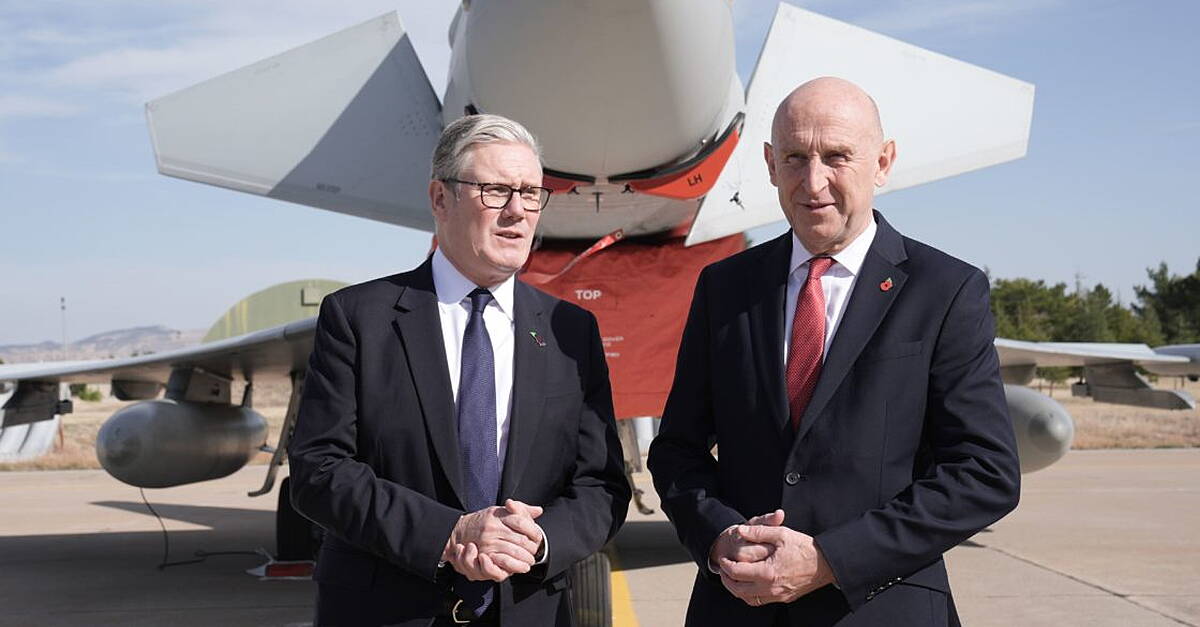
Keir Starmer’s beleaguered premiership has been shaken to its core by the shock resignation of John Healey as defence secretary over a dispute about long-term funding for the military.
Healey was joined in his exit from the British Government by armed forces minister Al Carns, as well as two parliamentary aides, heaping pressure on the Prime Minister, who is already facing the threat of a leadership challenge.
In a letter announcing his decision, Healey suggested Starmer had been “unable” to overrule Chancellor Rachel Reeves in meeting the amount of cash which military officials had hoped for in the Defence Investment Plan (Dip).
The Dip, a blueprint for how the armed forces will be funded into the future, has been long delayed because of wrangling between the Ministry of Defence (MoD), the Treasury, and No 10.
That all came to a head on Thursday with Healey’s announcement, in which he also warned the British Prime Minister that without a Dip that “meets the moment” he would be “forced to make decisions” that “could make our country less safe”.
Carns meanwhile said he would not be able to “defend a level of investment I know to be inadequate to the task” if he remained as a minister.
“A serious country funds its defence to meet the threat it actually faces, not the threat it wishes it faced,” he added in his resignation letter.
The pair are the latest in a series of ministers who have resigned in the course of just over a month, following Wes Streeting and a host of junior Government figures who left their posts in the wake of Labour’s bruising local election defeats in May.
Healey and Carns were followed out of the door by parliamentary private secretaries (PPS) Pamela Nash and Rachel Hopkins.
Their exit came even though the outgoing defence secretary was understood to have asked that his colleagues in the department remain in post.
Nearly nine hours after Healey’s departure, Dan Jarvis was announced by Downing Street as his successor as Defence Secretary.
Jarvis, a Parachute Regiment veteran who has been serving as security minister, will now be expected to defend what is expected to be a £13.5 billion uplift in defence spending, a figure which military chiefs say is far short of what is needed to fund the transformation of the armed forces.
While the British government has committed to spending 3.5 per cent of GDP on defence by 2035, Healey said the plan he was presented with on Monday moved too slowly, with defence spending rising to just 2.68 per cent in 2030 after hitting 2.6 per cent next year.
Sources said the deal offered by the Treasury did not put a date on increasing spending to 3 per cent, and had tried to force the MoD to plan to only reach that figure in 2034/35.
Writing in the Daily Express, Conservative leader Kemi Badenoch said Healey did the “honourable thing” by resigning and pledged her party would increase defence spending.
She said: “I told the Prime Minister that the money he was planning to give for defence was less than half the minimum that the armed forces required. Starmer insisted that wasn’t the case.
“Now the PM’s Defence Secretary has resigned because he agrees with me.”