Society
Securing the Civil Space: The Role of Civil Society in Delivering a Peaceful 2027 Election

By Abu Jemimah Lami
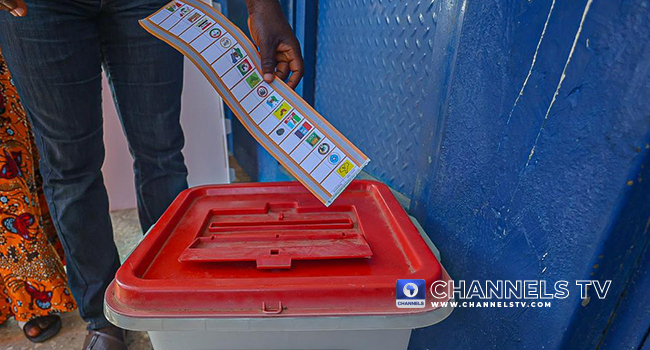
Over the years Nigeria’s election has always been a case of bloodshed, misconduct and violence,but understanding the role of CSOs in Nigeria we can have a peaceful election. Nigeria’s 2027 general elections, scheduled for early 2027, represent another critical test of democratic resilience in a country where electoral cycles are often accompanied by tension, mistrust, and, at times, violence.
In this context, securing the civil space, the environment in which citizens, organisations, and institutions freely participate in civic and political life, has become essential. At the heart of this effort lies civil society, a diverse network of organisations, activists, professional bodies, and community groups that play a vital role in safeguarding democracy and promoting peaceful elections.
Civil society organisations (CSOs) serve as the connective tissue between the state and citizens. Their relevance in electoral processes stems from their ability to mobilise communities, demand accountability, and provide oversight. In Nigeria, where trust in political institutions is often fragile, CSOs function as independent actors capable of building confidence in the electoral system. They act as what scholars describe as an “internal corrective mechanism,” helping to check electoral malpractice and promote transparency throughout the electoral cycle.
One of the most visible contributions of civil society to peaceful elections is voter education. In a country with significant youth demographics and persistent voter apathy, informing citizens about their rights and responsibilities is critical. CSOs deploy both traditional outreach and digital platforms to counter misinformation, promote civic duty, and encourage peaceful participation.
Ahead of the 2027 elections, collaborations between civil society and electoral authorities are expected to expand voter education initiatives, ensuring that citizens make informed choices rather than being swayed by ethnic, religious, or financial inducements . An informed electorate is less susceptible to manipulation and more likely to reject violence as a political tool.Beyond voter education, civil society plays a central role in election observation and monitoring. Coalitions such as the Nigeria Civil Society Situation Room coordinate nationwide observation efforts, deploying trained observers to monitor pre-election activities, voting processes, and post-election developments.
These efforts generate real-time data, identify irregularities, and provide credible reports that can guide both public perception and institutional responses . By shining a light on malpractice,whether voter intimidation, logistical failures, or electoral fraud,CSOs help deter wrongdoing and promote accountability among political actors and institutions.C
Cvil society is also increasingly involved in pre-election engagement with political actors. Unlike earlier periods when their role was largely limited to observation, CSOs are now engaging candidates directly, scrutinising their manifestoes, and organising debates that focus on governance, development, and public policy. This shift is significant because it moves electoral discourse away from personality politics toward issue-based campaigns.
Recent initiatives aimed at evaluating candidates’ development plans highlight this evolving role, as civil society seeks to ensure that voters are presented with credible, policy-driven alternatives . Such engagement not only elevates the quality of political competition but also reduces the likelihood of conflict fueled by misinformation and divisive rhetoric.
Another critical function of civil society in securing the civil space is advocacy for institutional integrity. Peaceful elections depend on the independence and effectiveness of key institutions such as electoral commissions, the judiciary, and security agencies. Civil society organisations consistently call for these institutions to operate free from political interference, recognising that public trust hinges on their neutrality.
Ahead of 2027, CSOs have emphasised the importance of transparency, inclusiveness, and a level playing field for all political parties, noting that the credibility of elections is inseparable from the credibility of the institutions that conduct them.In addition, civil society acts as a mediator and peacebuilder, particularly in politically volatile environments. Through community dialogues, early warning systems, and conflict resolution initiatives, CSOs help to de-escalate tensions before they erupt into violence.
Nigeria’s history of electoral violence underscores the importance of these interventions. By engaging youth groups, traditional leaders, and local influencers, civil society can promote messages of tolerance, non-violence, and national unity. These grassroots efforts are often more effective than top-down security measures because they address the social drivers of conflict at the community level.
However, the ability of civil society to perform these roles depends on the openness and security of the civic space itself.Technology also presents both opportunities and risks for civil society engagement. On one hand, digital tools enable wider reach, real-time reporting, and rapid mobilisation. On the other hand, the spread of misinformation and hate speech online poses a significant threat to peaceful elections.
Civil society must therefore play a proactive role in digital literacy, fact-checking, and countering harmful narratives. Partnerships with media organisations and tech platforms will be crucial in ensuring that the information ecosystem supports, rather than undermines, electoral integrity.
Ultimately, delivering a peaceful 2027 election requires a collective effort in which civil society plays a leading but not solitary role. Government institutions, political parties, security agencies, the media, and citizens themselves must all contribute to creating an environment where democratic competition is conducted peacefully and fairly. Civil society’s strength lies in its ability to bridge these actors, fostering dialogue, accountability, and shared responsibility.
CSOs are not the opposition, they are the referees, medics and commentators of democracy. Securing them is securing the ballot. IPCR, INEC and the Presidency must treat civic space as critical electoral infrastructure as important as BVAS. Government cannot secure civic space alone. INEC runs alone, CSOs secures the environment for elections.
A peaceful election is more than the absence of violence; it is the presence of trust, transparency, and legitimacy. By educating voters, monitoring processes, engaging political actors, advocating for institutional integrity, and promoting peace at the grassroots, civil society remains indispensable to achieving this goal. As Nigeria approaches 2027, securing the civil space will not only determine the success of the election but also shape the future of its democracy.
Abu Jemimah Lami is a graduate of History and International Studies from IBB University, Lapai, and a Corps Member serving with the Institute for Peace and Conflict Resolution (IPCR), Abuja. She can be reached via [email protected].