Special Report
SDP Candidate Adebayo Knocks Senate Over Rejection of Military Spending Probe

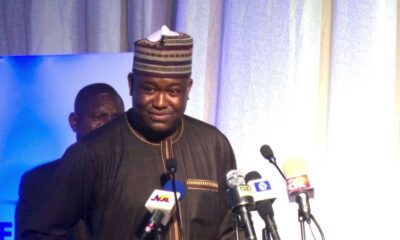
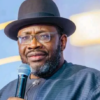
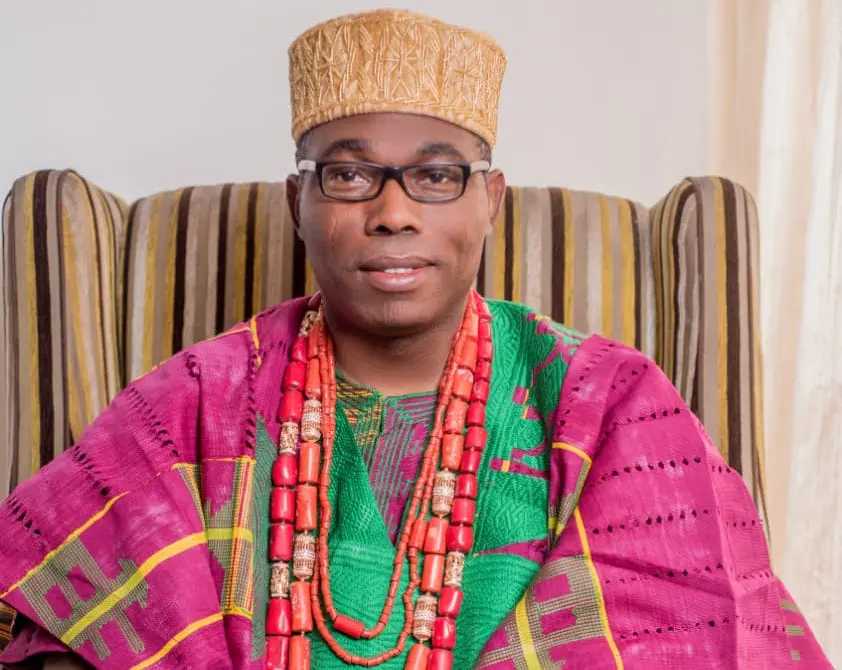
The presidential candidate of the Social Democratic Party (SDP), Adewole Adebayo, has criticised the Senate’s decision to reject a proposal seeking an investigation into military spending despite worsening insecurity across the country.
Adebayo argued that accountability in defence expenditure should not be sacrificed under the guise of protecting troop morale, insisting that Nigerians deserve transparency on how security funds are utilised.
Speaking with journalists in Abuja on Monday, the SDP chieftain questioned the effectiveness of government spending on security, noting that large budgetary allocations had not translated into meaningful improvements in the country’s security situation.
He said, “The issue is not just budgeting money for defence. It is whether the money reaches the armed forces and is properly utilised. This administration budgeted N5.413tn for defence and security without any positive result.
“The legislative arms of government said they want to probe, but the Senate told Nigerians that it will undermine the troops’ morale and operational effectiveness. The truth of the matter is this: the money in question is even supposed to be for future defence, not for security or intelligence.
“So, don’t disturb yourself about that drama in the National Assembly. I can tell you that even the budget that is there now will not reach the armed forces. The budgeting system in Nigeria operates traditionally like an election. They will say we must hold elections every four years, yet it will be conducted anyhow.”
Adebayo also criticised the government’s approach to tackling insecurity, particularly the reintegration of repentant terrorists, insisting that Nigerians deserve more effective strategies to protect communities from violent attacks.
Despite his criticisms, he maintained that Nigeria’s challenges can be addressed if leaders adopt practical governance focused on citizens’ welfare.
“These are problems we can overcome, but leadership must be willing to do what is right,” he said.
On electoral reforms, the SDP candidate called for constitutional changes to ensure the full independence of the Independent National Electoral Commission (INEC), arguing that presidential appointment of electoral officials undermines public trust in the system.
“INEC cannot be truly independent when politicians appoint those running it,” he argued.
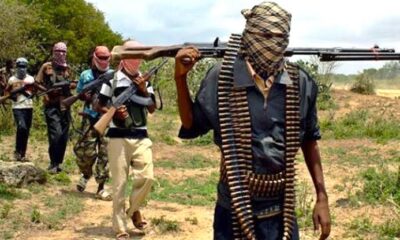
His remarks come weeks after the Senate rejected a proposal to investigate military spending during debates on rising insecurity following renewed bandit attacks in Oyo and Kwara states.
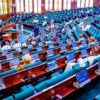
During the debate, senators expressed concern over increasing cases of kidnapping and violent crime across the country. However, tensions rose when Senator Adams Oshiomhole proposed a review of military expenditure, insisting that security funds should be subjected to greater scrutiny.
Oshiomhole argued that repeated Senate resolutions on insecurity would be ineffective without accountability and proper implementation, while Senator Sani Musa supported the call, noting that large defence allocations had not yielded corresponding improvements in security.
Although Deputy Senate President Barau Jibrin acknowledged concerns about accountability in security spending, the motion to include a probe of military expenditure failed after no senator seconded it.
A subsequent attempt to amend the resolution also failed to gain support, and the Senate eventually adopted its resolutions on insecurity without approving an investigation into military spending.
Defending the decision, Senate Leader Opeyemi Bamidele said probing military expenditure during ongoing security operations would be counterproductive.
He argued that subjecting the military to scrutiny in the middle of active conflict would amount to putting troops on trial at a sensitive time, describing it as unpatriotic and potentially harmful to national security efforts.
Bamidele added that while oversight remains important, investigations into defence spending should be conducted after hostilities have ended rather than during active military operations.