Topnews
Reps Probe Crisis As Nigerian Embassy Accused Of Aiding Human Trafficking In Mali

The House of Representatives has said the repatriation of trafficked Nigerians from Mali and other West African countries must be backed by comprehensive rehabilitation and reintegration programmes.
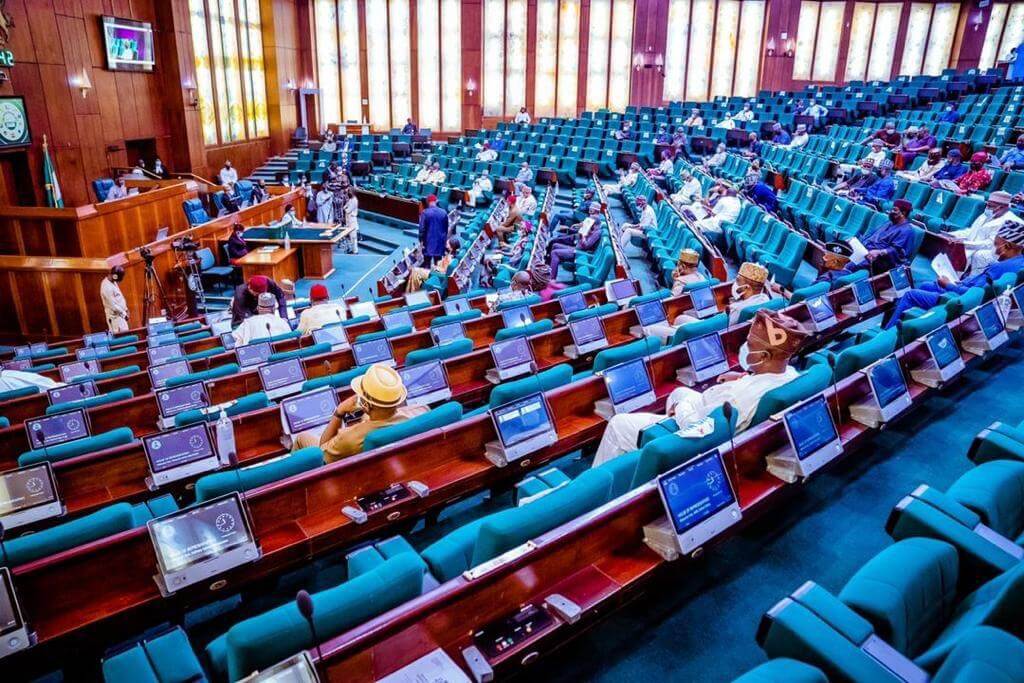
Naija News reports that the position was canvassed on Wednesday at a high-level stakeholders’ technical meeting organised by the House Committee on Humanitarian Services.
The meeting brought together lawmakers, government agencies, development partners and civil society organisations to examine strategies for improving the rescue, rehabilitation and reintegration of trafficked Nigerians.
Chairperson of the committee, Tolulope Akande-Sadipe, said Nigeria must adopt a survivor-centred approach to human trafficking.
“Bringing our citizens home is only the beginning,” she said.
“The true measure of our success lies not simply in repatriation, but in the quality and sustainability of the support we provide after survivors return.”
Akande-Sadipe described human trafficking as a grave violation of human rights and dignity.
She said many Nigerians, especially women, children and young people, continue to face forced labour, sexual exploitation and other forms of modern slavery across West Africa.
She called for safe and dignified repatriation, healthcare, psychosocial support, legal assistance, education and economic empowerment for survivors.
According to her, without proper reintegration, many victims remain vulnerable to poverty, social exclusion and re-trafficking.
The meeting also heard allegations against officials of the Nigerian Embassy in Mali.
The National Council of Child Rights Advocates, Nigeria, accused some embassy officials of poor handling of rescued victims, lack of transparency in repatriation activities and alleged collaboration with individuals exploiting vulnerable Nigerians.
Presenting findings from an 11-month fact-finding mission, Adefioye Simeon alleged that repatriation activities at the embassy lacked transparency.
He claimed rescued girls were brought to the embassy by private individuals who allegedly paid about 200,000 CFA francs per victim to officials to facilitate transportation back to Nigeria.
“Questions regarding the utilisation of these funds were never satisfactorily answered,” he alleged.
Simeon also alleged poor documentation of Nigerians in Mali and claimed some migrants paid between 10,000 and 15,000 CFA francs for identification cards that were later rejected at border checkpoints.
He urged the House committee to investigate the allegations and strengthen coordination among the Ministry of Foreign Affairs, NAPTIP, security agencies and civil society organisations.