World
Report alleges NGOs pushed Gaza suffering to raise funds, dismissed antisemitism claims

International humanitarian and human rights groups neglected antisemitism complaints from staffers, exploited suffering in Gaza for fundraising and sought to shape an anti-Israel narrative around the Gaza war, according to a report released this week.
The 63-page report by the new advocacy group EiGHT called for significant changes to the non-governmental organization (NGO) system, arguing that the sector has vast influence but little external oversight.
“They themselves call for transparency and accountability and speak out on behalf of people’s freedoms of expression,” Israeli Danielle Haas, one of EiGHT’s lead organizers, told The Times of Israel. “We consider this to be entirely in line with their own mandate and principles.”
Haas was a senior editor at Human Rights Watch for 14 years, left after the start of the Gaza war, and has been a critic of the NGO sector since.
Haas wrote in Jewish journal Sapir in 2024 about her experience at Human Rights Watch. After the article came out, other Jewish and non-Jewish NGO staffers contacted her to report similar experiences, forming an informal group of around 70 that coalesced into EiGHT, which is in the process of acquiring nonprofit status in Geneva, Haas said.
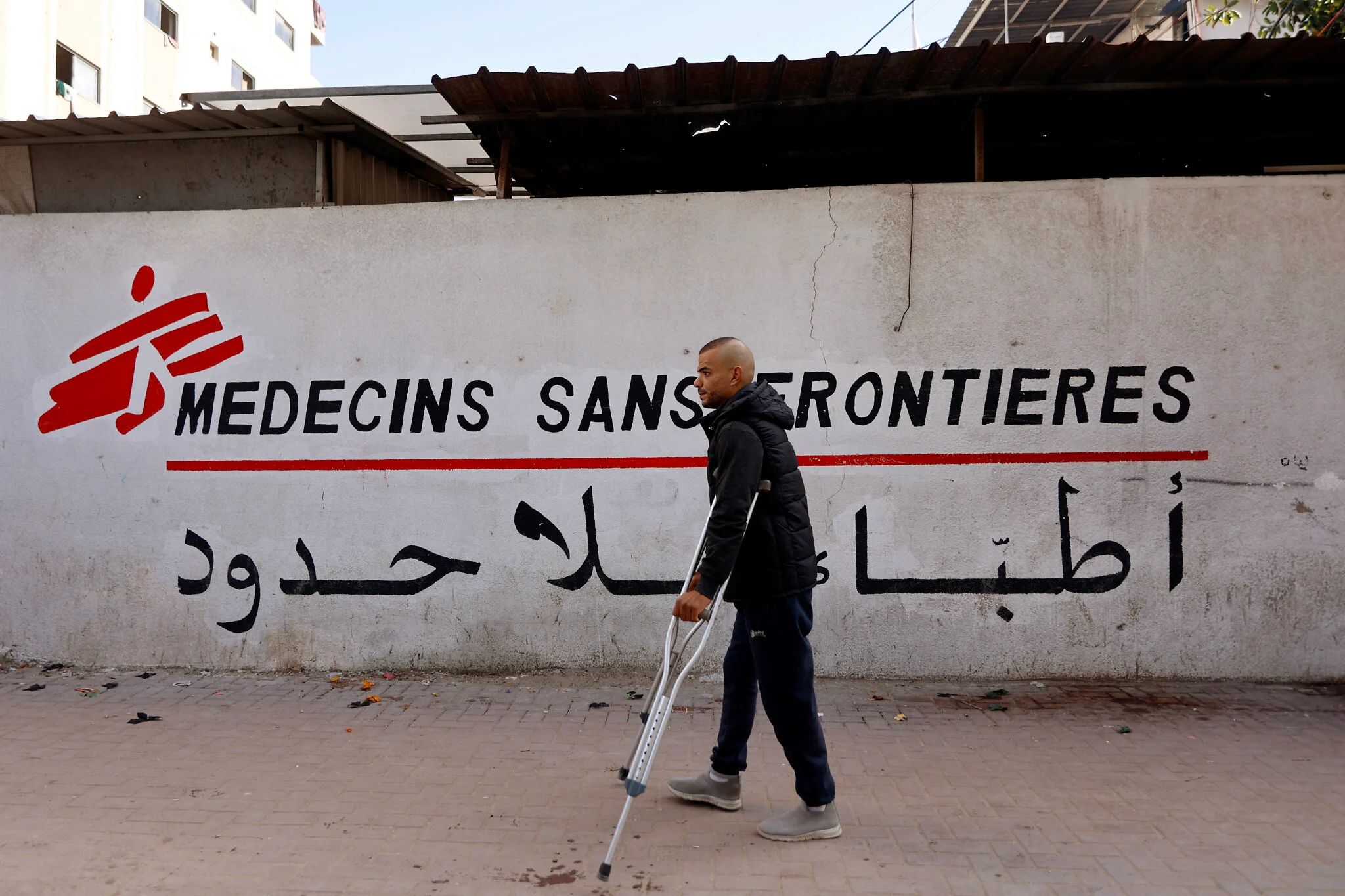
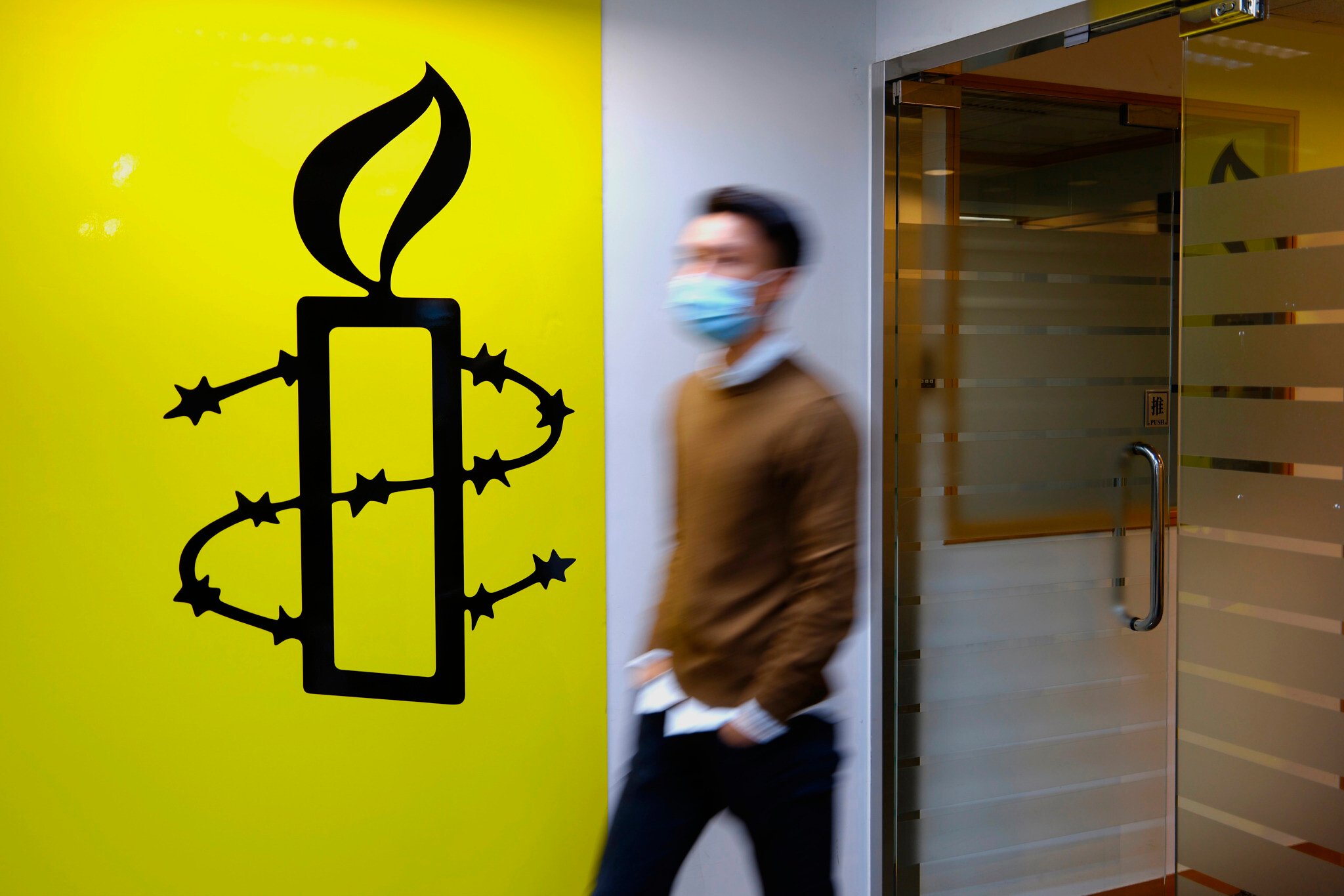
EiGHT based the report on interviews with around 70 staffers or recent employees of international NGOs, as well as internal documents from the organizations. The employees and documents came from groups including Human Rights Watch, Doctors Without Borders, Amnesty International, and Amnesty International Australia. The groups did not respond to requests for comment.
EiGHT compiled the report for the Australian government’s investigation into antisemitism, launched in response to last year’s Bondi Beach massacre.
Many of the names and organizations were kept anonymous due to “fear of retaliation,” the report said.
The report said its key findings included a lack of consequences for antisemitism complaints; inconsistent standards; a lack of transparency; exclusion of Jewish staff; retaliation against staff who raised concerns; and a disregard for Israeli and Jewish victims.
Antisemitism allegations brushed aside
The report said that antisemitism in the sector was “barely acknowledged,” with alleged anti-Jewish discrimination often reframed as political disagreement. The threshold for action on antisemitism complaints was often “effectively impossible to meet,” the report said.
The report contrasted the response to previous movements, like #MeToo and Black Lives Matter, when discrimination complaints led to significant action. Jews who reported antisemitism were instead met with “skepticism and dismissal,” the report said.
A non-Jewish employee of Amnesty International Australia said that after the Bondi Beach massacre last year, there was a tendency in the group “to frame efforts to address antisemitism as attempts to restrict criticism of Israel.”
An Amnesty International Australia staffer reported a “disturbing rise in anti-Zionist ideology,” with the term “Zionist” used as a pejorative. Jewish NGO staffers said their views were treated with suspicion over alleged political motivations, or that antisemitism concerns were treated as interpersonal conflict, a communication issue or political disagreement, instead of discrimination.
“The conversation never becomes: ‘What happened, and why did this employee experience it as antisemitic?’ Instead, it immediately becomes: ‘But what is antisemitism really? What about Zionism? What about Gaza?’” one NGO staffer said. “You end up circling the drain of definitions while nothing is actually investigated.”
Leaders of some NGOs privately agreed with complaints from Jewish staffers, but did not take public action, apparently “for fear of appearing ‘pro-Israel,’” the report said.
Some of the staffers said that NGO leaders automatically coupled antisemitism with Islamophobia, lessening the focus on Jews.
Weeks after the October 2023 Hamas attack, the UK director of Human Rights Watch wrote to colleagues, “Can I just check that we are addressing Islamophobia in our product on antisemitism?”
“It’s important in any product on antisemitism that we address both,” she wrote, the report said.
“Anti-Jewish bias and prejudice have become embedded in parts of the organization’s culture and decision-making,” a non-Jewish employee of Amnesty International Australia said. “I am deeply concerned that these patterns have contributed to a culture that tolerates and even justifies violence and intimidation toward Jews.”
Other staffers quoted in the report said that NGOs had embraced far-left activist paradigms, such as post-colonial theory and romanticizing the “Global South,” and characterized the rhetoric as “slogans without substance.”
On the internal messaging platform for Doctors Without Borders, employees said, “The fight for freedom… is about liberating the world from the grip of Zionism,” called Israel a “76-year-old crime scene,” dismissed rape allegations made against “Palestinian resistance fighters” as “propaganda,” and said, “Stop playing the Jewish card.” Israel was called a “racist, Nazi and genocidal state.”
“Jewish employees raised concerns openly at first. Then less often, then not at all. In time, they were all gone,” said an employee of an international rights group.
The findings are in line with two previous surveys that also found widespread antisemitism in humanitarian and nonprofit groups.
Shaping the Gaza war narrative
NGO employees said that the groups’ reports omitted information that would have justified Israeli military actions, such as information that Hamas was operating in areas of Gaza where Israeli hostages were rescued.
Amnesty International held a workshop at its General Meeting in 2024, called “Apartheid in Israel,” that portrayed Israel’s establishment as illegitimate, without mentioning Jews’ historical presence in the land, failed peace efforts, and violence against Jews before 1948. An “Israel-Palestine” meeting held by Human Rights Watch on October 23, 2023, did not mention Israeli casualties or hostages in the Oct. 7 attack, the report said.
The day of the October 2023 attack, a Human Rights Watch program director, in an email to staff, attributed the Hamas invasion to “escalation” by Israel and “significant violence by Israeli soldiers and settlers.”
An Amnesty International staffer said employees had been encouraged to join anti-Zionist protests, but not rallies for Israeli hostages “because we’re against the Israeli government.”
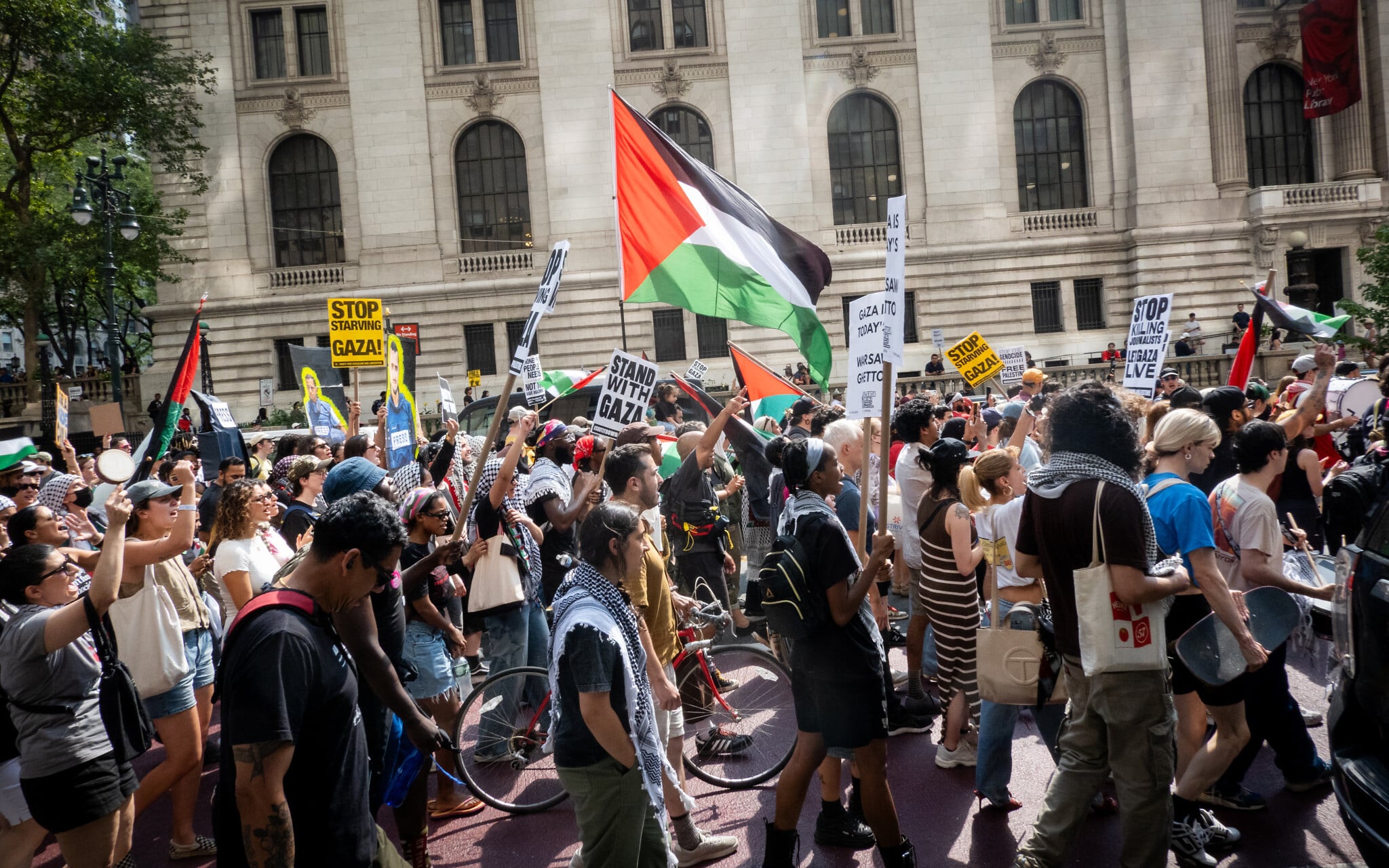
An internal Human Rights Watch document from October 10, 2023, said one of its Middle East team’s “main objectives” was to “influence the narrative — highlight the context of this latest round of hostilities (i.e. Apartheid etc.).”
On November 12, 2023, at a Human Rights Watch internal meeting, staff said they had briefed “top tier celebrities” and Hollywood agencies on how to portray the Israel-Hamas war.
Ahead of the first anniversary of the Hamas attack, a Doctors Without Borders planning document said, “It will be important to challenge the dominant narrative that ‘the war started on 7th of October.”
Staff at Amnesty International and Human Rights Watch, which both accused Israel of genocide in 2024, said the groups had sought that conclusion, then selected information that backed it up.
A Human Rights Watch Israel-Palestine director, during a discussion on Gaza casualty figures held five days after the Hamas attack, said that the group’s “only source is the Gaza Health Ministry,” which is controlled by Hamas. Staff at other NGOs said Israeli government information was assumed to be baseless.
Using Gaza to raise donations
The focus on Gaza was partly driven by donations, the report said.
Staff at Doctors Without Borders and Amnesty International said that images of Palestinian suffering “played well” with donors and were therefore promoted, the report said.
An employee of Amnesty International Australia said Gaza was a “particularly effective fundraising engine,” adding that seven out of 10 fundraising appeals from October 2023 until the time of the report’s writing focused wholly or in part on Gaza.
“Even appeals framed around broader themes — press freedom or refugee rights — frequently returned to this single context,” the employee said.
A staff member at another NGO said that Gaza had become “a major driver of fundraising performance.”
“During ceasefire periods, results declined, creating pressure to sustain a heightened sense of urgency,” they said.

“These are organizations that influence how we think in today’s world,” Haas said, citing concepts developed in the NGO sector such as apartheid and genocide. “We consider it to be of value to bring to light how they operate so that people can have more informed conversations about them.”
The report’s authors recommended that NGOs provide staff with independent, third-party outlets for reporting discrimination; urged establishing an independent oversight mechanism for complaints and investigations; called to set up requirement standards for public funding of NGOs; and for surveying Jewish staff.
EiGHT assembled the report for an Australian commission on antisemitism launched in response to the Bondi Beach attack and the report includes information on NGO offices in Australia. The report was submitted to the commission early last month and released publicly on Wednesday.
Haas said NGOs have been informed of the issues described in the report and have shown no willingness to change.
“They are not moral simply because they claim to carry out moral missions,” she said. “They are an industry, subject to all the usual pressures of industries — ideological, financial, operational — and therefore they should be held accountable.”