World
Publishers accuse Google of stealing copyrighted content in new lawsuit

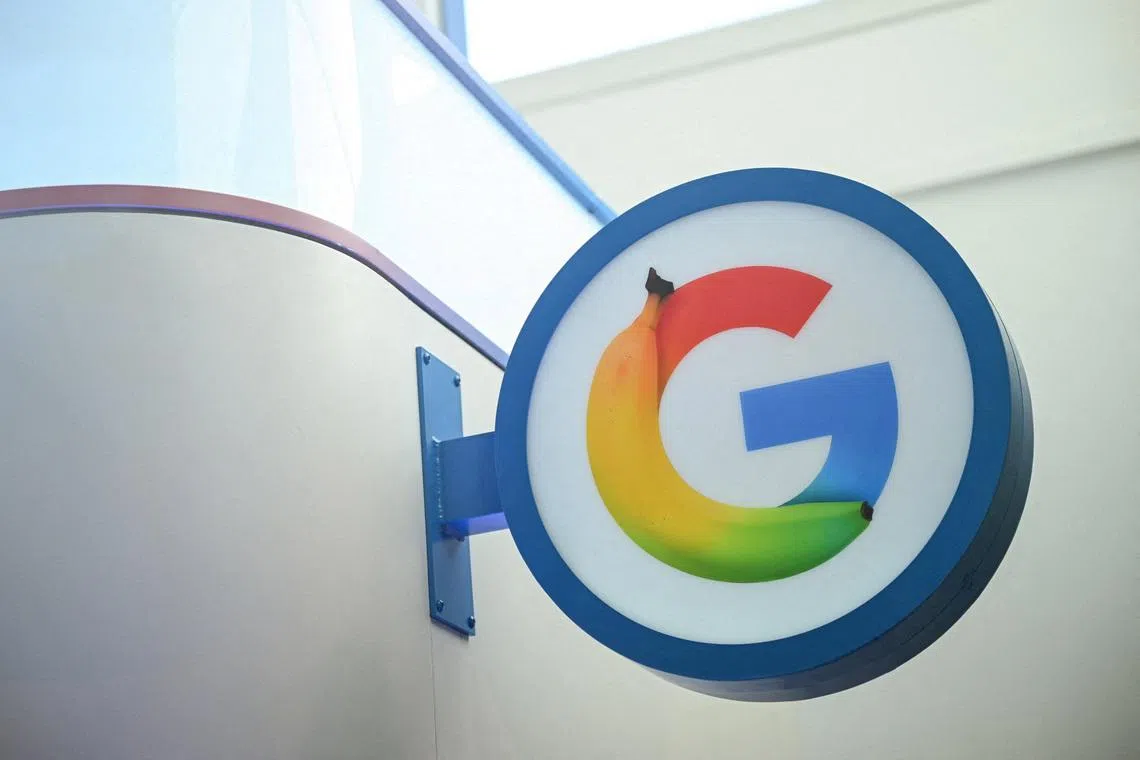
WASHINGTON – Multiple book publishers sued Google on July 14 for allegedly stealing copyrighted content, using it to train artificial intelligence (AI) models and then generating content that “directly” competes with the original authors’ work.
“The scale and speed at which Gemini can create books and compete with human writers is unprecedented,” the lawsuit said.
The lawsuit, which requests class action status, was filed in New York by Hachette Book Group, Cengage Learning, Elsevier, author Scott Turow and his publishing company S.C.R.I.B.E.
They allege that “Google secretly copied millions of works” that were provided to Google Books and other services for “limited purposes” and then used that content to train Gemini, its AI model.
Furthermore, they claim the content generated by Gemini directly competes with the authors who wrote the original work.
“Gemini even tailors outputs to mimic the expressive elements and creative choices of specific authors,” the lawsuit said.
The plaintiffs requested an injunction and an unspecified amount of damages.
It is the latest copyright infringement lawsuit brought against AI developers.
In May, multiple publishers – including Hachette, Cengage, Elsevier and Turow – sued Meta on similar grounds in a New York court.
A US judge in September approved a US$1.5 billion (S$1.94 billion) settlement between Anthropic and several authors who claimed the San Francisco company illegally copied their work to train its AI model, Claude.
It was a partial victory for Anthropic – a judge ruled that the company’s use of books to train Claude was transformative enough to constitute “fair use” under US law but that other uses of pirated materials was not.
Meta also won a partial victory in 2025 when a US judge in San Francisco ruled that its use of copyrighted materials was “fair use”. That case was filed by comedian Sarah Silverman, author Ta-Nehisi Coates and others. AFP