World
Powell to stay on as US Fed governor after chair term, citing legal attacks

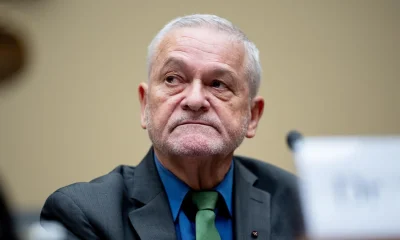
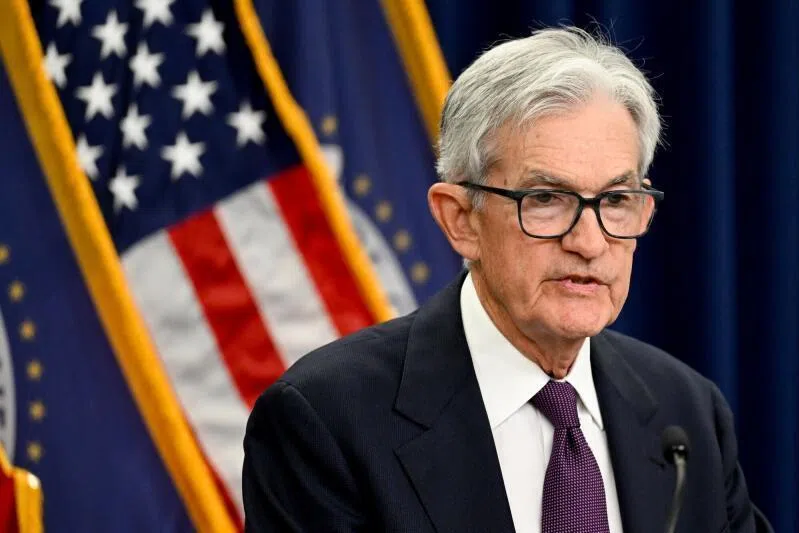
WASHINGTON – Mr Jerome Powell said on April 29 that he would stay on as a governor at the Federal Reserve after his term as chair ends May 15, citing lingering legal threats against him and the central bank as part of a pressure campaign by President Donald Trump for lower borrowing costs.
“After my term as chair ends on May 15, I will continue to serve as a governor for a period of time to be determined,” Mr Powell said at a news conference on April 29.
Mr Powell pointed to the legal attacks on the Fed as the reason for his decision.
“I worry that these attacks are battering the institution and putting at risk the thing that really matters to the public, which is the ability to conduct monetary policy without taking into consideration political factors,” Mr Powell said. He added: “I plan to keep a low profile as a governor.”
His announcement marks the end of months of speculation about whether Mr Powell would choose to continue on as a member of the Board of Governors, a position he can hold until January 2028.
Fed chairs typically step down after their four-year terms, unless reappointed by the White House, in an effort to ensure as smooth a leadership transition as possible.
The last time a chair stayed on past the end of their term was in 1948, when Marriner Eccles continued to serve as a governor for three years. But for Mr Powell, the current moment called for him to break with tradition.
Mr Powell’s decision reflects his mounting concerns about the Fed’s ability to operate independently amid increasingly aggressive efforts by the administration to test the guardrails that have long protected that autonomy.
Most recently, the Justice Department began a criminal investigation into the Fed’s renovations of its headquarters in Washington and whether Mr Powell lied to Congress about the plans. It followed on the heels of the president trying to oust Ms Lisa Cook, a governor, over unsubstantiated allegations in August of mortgage fraud. The Supreme Court is currently weighing her lawsuit against Mr Trump.
For Mr Powell, the Justice Department’s investigation was just another attempt to browbeat the Fed into lowering interest rates, which Mr Trump has long demanded the central bank deliver.
Weeks ago, Mr Powell stipulated that he would not leave the Fed until the investigation was “well and truly over, with transparency and finality.” He said his decision would ultimately rest on what he thought was “best for the institution and for the people we serve.”
On April 29, Mr Powell made clear those conditions had not been met despite the Justice Department’s announcement Friday that it would drop its investigation.
Mr Powell said that he would only leave the Fed once the investigation was “well and truly over with finality and transparency.”
“I’m waiting for that. And I will leave when I think it’s appropriate to do so.”
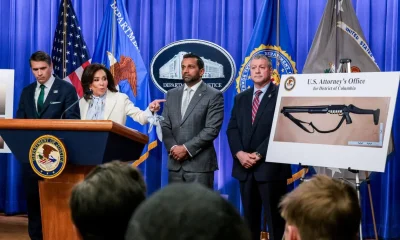
Just two days before dropping the case, Jeanine Pirro, the US attorney for the District of Columbia, vowed to continue the inquiry despite a legal setback. But her investigation had essentially stalled Mr Kevin Warsh’s nomination, denying Mr Trump the chance to get his handpicked chair confirmed. Republican Senator Thom Tillis who is on the powerful Senate Banking Committee, which oversees the Fed, had vowed to block any of the president’s nominees so long as the inquiry continued.
Mr Tillis lifted his blockade on April 26, saying that he had received assurances from federal prosecutors that the legal threats against Mr Powell had ended. On April 29, Mr Tillis voted alongside Republicans to advance Mr Warsh’s nomination to a full Senate vote.
Mr Powell’s scepticism about the inquiry’s resolution is not unfounded, however. Ms Pirro has said she would “not hesitate” to reopen the investigation if needed after referring the matter to the Fed’s internal watchdog. Since July, the Fed’s inspector general has been looking into the matter on Mr Powell’s behest.
Ms Pirro also still wields the power to appeal a federal judge’s ruling that previously quashed the subpoenas issued to the central bank as part of the investigation. Mr Tillis said an appeal would be not about going after Mr Powell, but preserving the Justice Department’s ability to issue subpoenas.
Mr Powell’s decision to stay on will set up another clash with the president, who has vowed to fire him if he does not resign from the Fed when his term as chair ends.
A president can remove an official only if there is “cause,” which typically has meant gross malfeasance or a dereliction of duty.
Mr Trump has sought to frame the costly renovations as a sign of Mr Powell’s “incompetence.” He has also questioned whether Mr Powell had committed fraud, suggesting that he would try to use the renovations as justification to remove him. NYTIMES