Special Report
PFIPC: Tinubu Orders Forensic Audit Of IPPIS, Federal Agencies

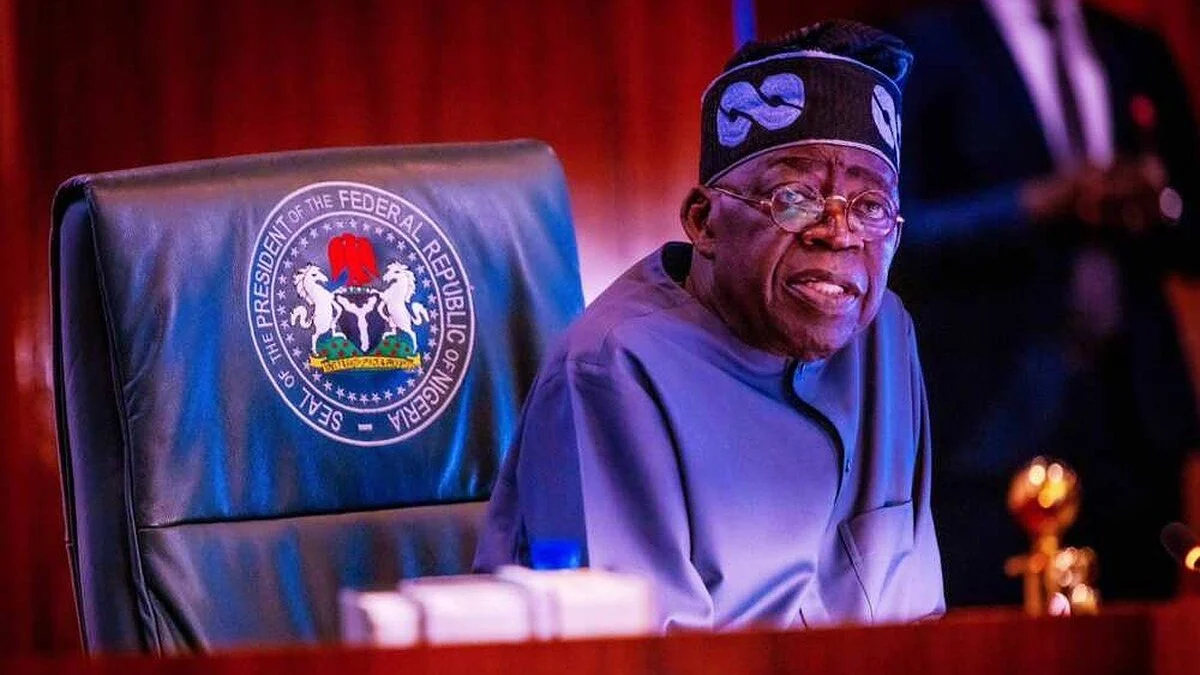
President Bola Tinubu has ordered a comprehensive forensic audit of the Integrated Personnel and Payroll Information System (IPPIS) and all Federal Government agencies as part of efforts to expose ghost workers, payroll fraud, fictitious government bodies.
This was just as the president directed the Minister of Finance and Coordinating Minister of the Economy, Taiwo Oyedele, to oversee and coordinate the exercise, which will examine government systems, agencies and internal control mechanisms.
The directive followed the resolution of the Federal Executive Council on August 19, 2026, after findings by the Independent Corrupt Practices and Other Related Offences Commission (ICPC) uncovered cases involving “fake agencies”, ghost workers and other failures in government controls.
According to a statement issued on Friday by the President’s Special Adviser on Information and Strategy, Bayo Onanuga, the audit is expected to determine “the nature and extent of weaknesses in Government’s control system, and determine how such weaknesses have been exploited.”
The first component of the exercise will focus on IPPIS and other interconnected payroll, personnel, pension and financial-management platforms. The audit team will investigate reported cases of ghost workers and payroll fraud, reconcile figures identified by the ICPC and trace the processes through which fictitious or ineligible individuals were enrolled on government payroll systems.
It will also scrutinise access controls, identity verification, biometric authentication and bank-account information used in the personnel and payroll systems.
The review will further examine the links between IPPIS and other government platforms, including the Government Integrated Financial Management Information System (GIFMIS), Remita, the Treasury Single Account (TSA) and Sub-TSA.
The Presidency said the objective is to determine whether irregularities arose from “system defects, process failures, inadequate segregation of duties or deliberate circumvention.”
The second component will cover all Federal Government ministries, departments, agencies, commissions, councils, parastatals and other government bodies.
The exercise will establish a definitive inventory of government entities and verify their legal foundations, while examining how such bodies secure official recognition, budgetary allocations, government correspondence privileges, office accommodation and access to government systems.
The audit will equally assess governance, procurement, internal audit and oversight mechanisms across the Federal Government.
President Tinubu directed that the exercise be conducted with “the highest standards of independence, professionalism and forensic integrity.”
The audit team is expected to have access to relevant government systems and records and work with the ICPC to ensure that its findings complement ongoing investigations, prosecutions and recovery efforts.
President Tinubu said the exercise must go beyond identifying individual cases of fraud or administrative failure. Instead, it is expected to strengthen the architecture of government, shut systemic loopholes, improve data verification and reconciliation, reinforce accountability and ensure that only legally constituted government entities and eligible personnel have access to public resources.
The development comes amid a widening investigation into fictitious entities allegedly operating within or obtaining access to government structures.
Tinubu had recently ordered the immediate arrest of Prince George Buchi Nwabueze and suspended three permanent secretaries following the discovery of another purported office operating within the Office of the Secretary to the Government of the Federation (OSGF).
The entity, identified as the National Brands Development and Made-in-Nigeria Special Project Office, was reportedly allocated office space within the OSGF premises despite having no lawful basis or presidential approval.
This followed the exposure of the Presidential Foreign Intervention Promotion Council (PFIPC), a purported government body which investigators said did not exist within the official structure of the Nigerian government.
Its self-styled Director-General, Adeniyi Adeyemi Matthew, is facing prosecution over allegations bordering on forgery and impersonation.
An interim report submitted by the ICPC to the President on August 6 after a 30-day investigation had also identified two other purported government entities — the FCT Investment Promotion Agency and the Foreign Investment Promotion Agency and Public-Private Partnership