Topnews
PFIPC Scandal: Deleted Gov.ng Website Exposes Deep Contradictions in Presidency

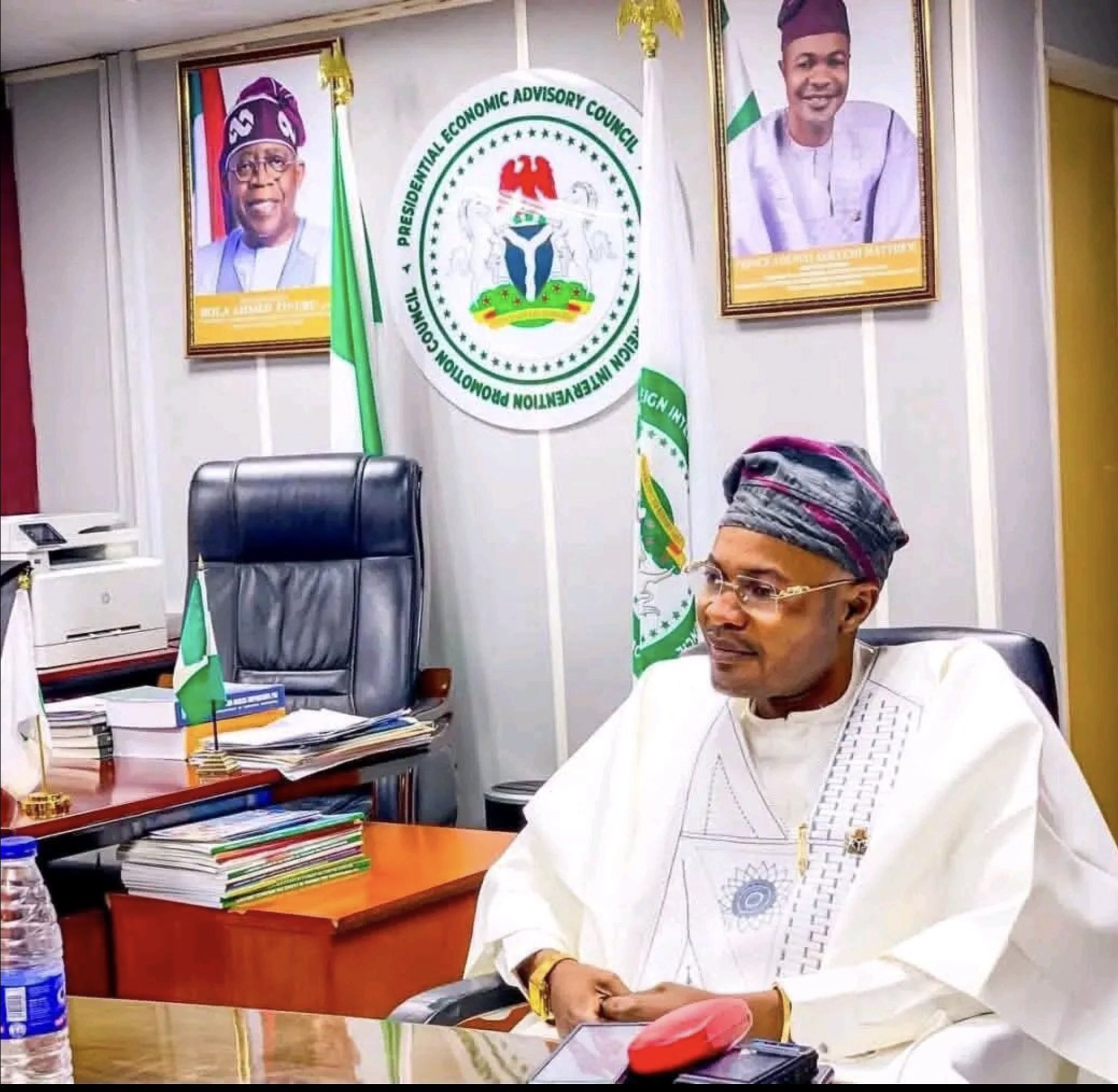
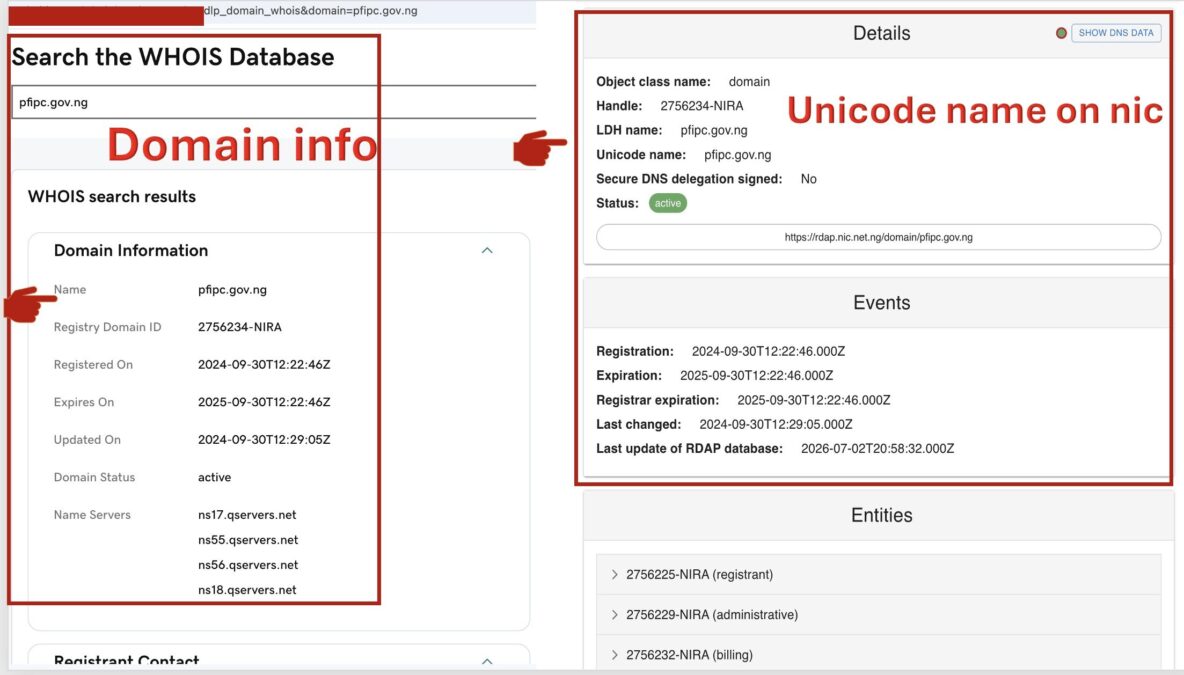
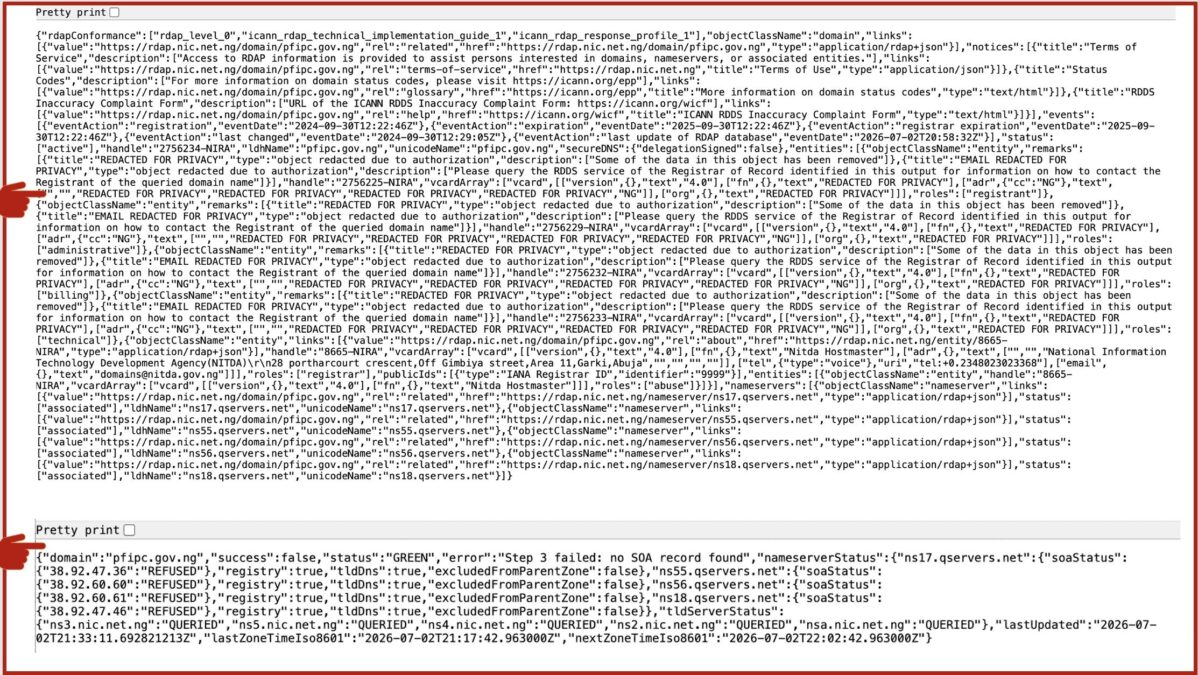
ABUJA, NIGERIA — The ongoing controversy surrounding the Presidential Foreign Intervention Promotion Council (PFIPC) has intensified following the discovery of verified digital footprints indicating that the agency, which the Presidency recently labeled “fictitious,” possessed an active, official government web domain hosted on federal infrastructure before being abruptly taken offline.
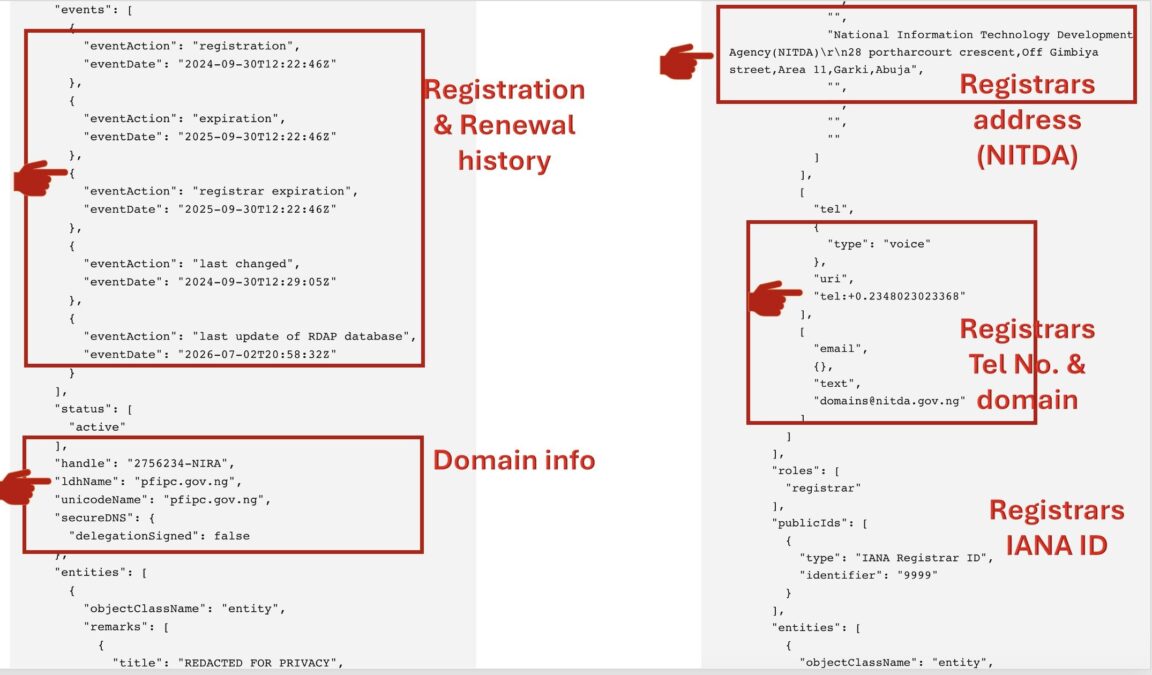
Technology analysts and anti-corruption whistleblowers have revealed that despite official claims denying the council’s institutional existence, records show the establishment of a restricted government domain—[https://pfipc.gov.ng](https://pfipc.gov.ng)—a suffix exclusively reserved for valid statutory entities of the Federal Republic of Nigeria. Furthermore, digital data confirms the portal was hosted by the National Information Technology Development Agency (NITDA), the apex regulatory organ for state-managed technological initiatives.
The Budgetary and Financial Contradiction
The digital infrastructure revelations emerge alongside significant administrative contradictions that have drawn sharp criticism from opposition leaders and civil society groups.
While the Office of the Chief of Staff to the President, Femi Gbajabiamila, issued a public disclaimer branding the agency non-existent and its self-acclaimed Director-General, Prince Adeniyi Adeyemi, a con artist, official fiscal documents reveal an entirely different narrative.
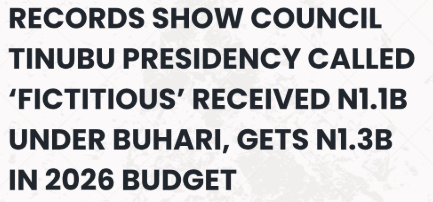
A review of the approved 2026 Appropriation Act—duly passed by the National Assembly and signed into law—explicitly lists the “Presidential Economic Advisory Council/Presidential Foreign Intervention Promotion Council” under the Presidency. The disputed entity was granted an allocation of ₦1,302,978,784, divided into:
- ₦802.98 million for personnel costs.
- ₦200 million for overhead expenses.
- ₦300 million for capital projects.
Publicly available transaction data published via the federal financial tracking portal, GovSpend reveals active financial pipelines tied to these operations. The ledger records a historical transaction dated June 3, 2022, detailing a payment of ₦215,000,000 pulled from the State House headquarters transit account to cover operational activities. Investigative reports further suggest the body amassed over ₦1.1 billion in allocations during the previous administration before securing its 2026 budgetary capture.
Allegations of Institutional Collusion
The core of the crisis rests on a fundamental bureaucratic paradox: how an allegedly fake agency could bypass multiple rigorous federal verification layers without high-level institutional facilitation.
Prince Adeyemi, who is currently facing federal charges of forgery and impersonation filed by the executive, countered the Presidency’s narrative during a press briefing. Adeyemi alleged that the friction between his office and the Chief of Staff arose after he rejected demands to yield 48% of the agency’s multi-billion naira take-off grant. He claimed to have already paid ₦400 million via proxies to secure the appointment, with an outstanding balance of ₦200 million remaining.
Growing Demands for Administrative Accountability
The structural evidence—including the deployment of senior civil servants by the Office of the Accountant-General of the Federation (OAGF) to staff the Ojobo-based secretariat, the opening of multiple Treasury Single Accounts (TSA) at the Central Bank of Nigeria, and the creation of NITDA-hosted web services—has led independent analysts to dismiss the “lone-wolf con artist” defense.
In response to the escalating row, prominent figures including former Vice President Atiku Abubakar and the Nigeria Democratic Congress (NDC) have issued ultimatums to the administration. They have demanded the immediate suspension of Chief of Staff Femi Gbajabiamila and the inauguration of an independent judicial panel of inquiry.
Critics argue that for a completely fraudulent entity to successfully command a .gov.ng domain, staff allocations from the Head of Service, and an active ten-figure slot in the national budget, there must have been deep structural failure—or active complicity—within the highest offices of the West African nation’s executive branch.
Related