World
PEN America president’s resignation marks latest anti-Zionist uproar in literature

NEW YORK — Last week, the free speech group PEN America published an article describing the “cultural isolation” surrounding Jewish and Israeli authors.
One writer said she had been told to strip Jewish references from her romance novel; a children’s author who wrote about a child bringing matzah to life was accused of “supporting genocide”; and other writers were targeted in coordinated “review bombing” and harassment campaigns online. A literary agent for Israeli writers said she hasn’t sold a book by an Israeli since the October 2023 Hamas attack. The article did not include a call to action, political prescriptions or support for Israeli policies.
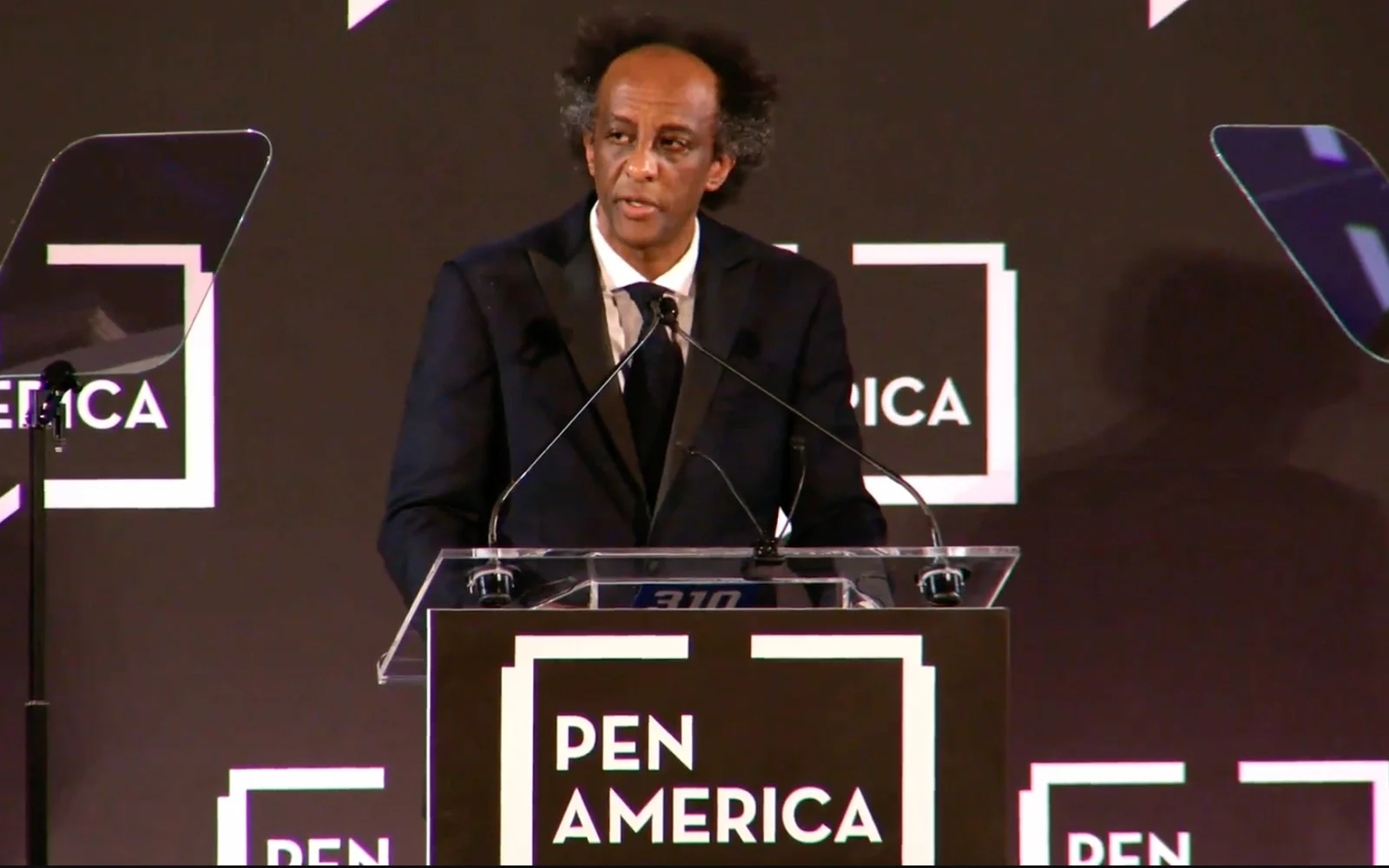
The president of PEN America, novelist Dinaw Mengestu, resigned to protest his own organization’s article about Jewish and Israeli victimhood because the article opposed cultural boycotts. Mengestu argued that opposition to the boycott movement, and not the anti-Israel boycott movement itself, was discriminatory.
In a statement, he assailed PEN America for its “ongoing failure to defend free expression fairly.” He argued that the group was harming pro-Palestinian free speech by defending free expression for Israelis and Jews.
PEN America’s stated goals are to “champion the freedom to write” and “protect free expression.” Mengestu’s resignation stood out because opposing boycotts of a national group, and discrimination against writers, would seem to be clearly in the organization’s mandate.
Mengestu’s resignation and the ensuing fallout exemplified several patterns related to anti-Zionist activism in progressive spaces, including alleged prejudice in literary spaces, disputes over free speech, and the minefield around acknowledging Jewish and Israeli victimhood.
The interrelated trends have come up repeatedly in the nearly three years since the Hamas-led October 2023 attack on Israel.
Upheaval in the literary world
The PEN America article, titled “A Silent Moratorium,” followed a series of reports on anti-Zionism and alleged prejudice in the publishing industry in recent years.
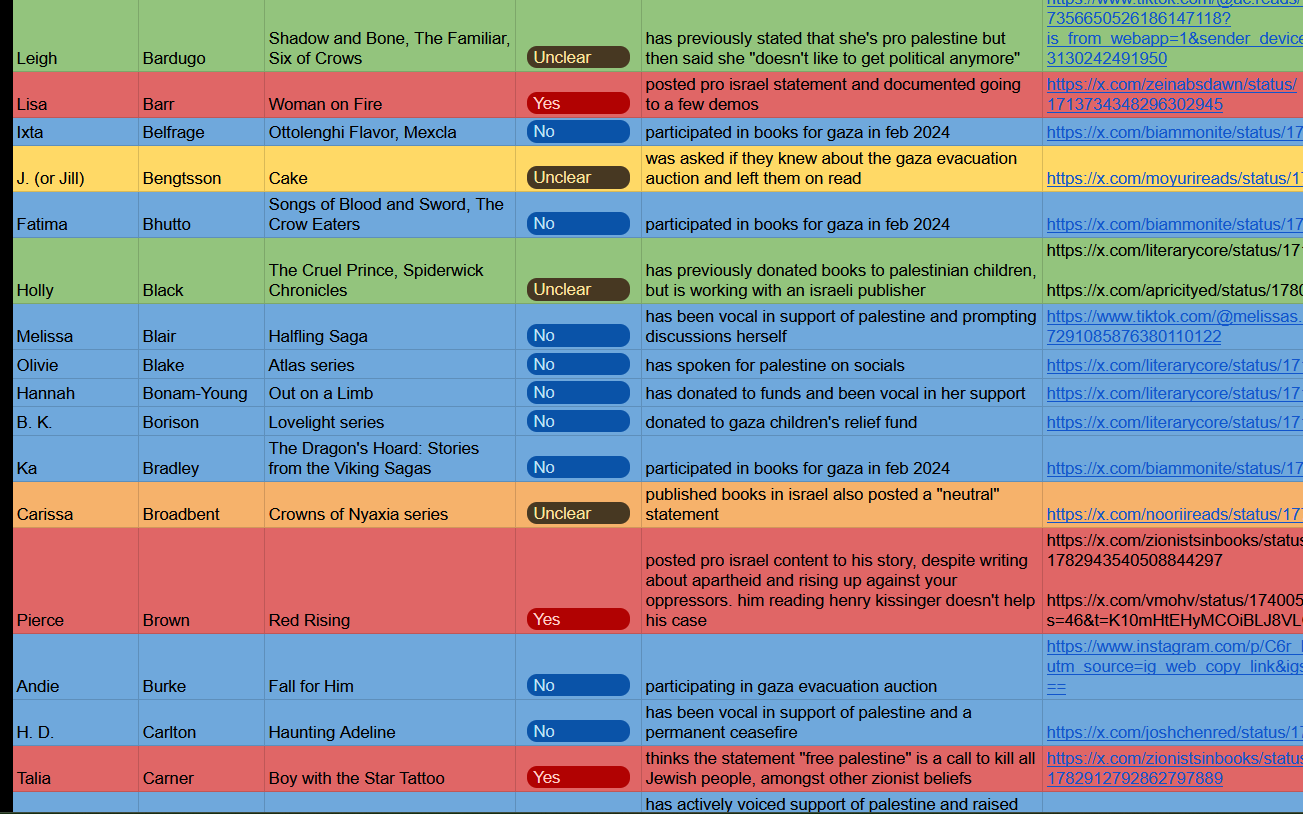
A 2024 online list targeted “Zionist” authors for blacklisting; Jewish authors have been ostracized; hundreds of authors pledged to boycott Israeli cultural institutions; and a Brooklyn bookshop canceled a book launch with the leftist Jewish author Joshua Leifer because the event moderator was a “Zionist.”
The turmoil also rocked PEN America, which canceled its 2024 award ceremony due to protests over its handling of the Gaza war. Some writers accused the group of “Zionist propaganda” and “platforming Zionists.” President Suzanne Nossel stepped down in 2024 amid the protests.
An activist group called Writers Against the War in Gaza celebrated Nossel’s resignation, calling her a “Zionist and imperial stooge.”
“Zionism will not be tolerated in our literary worlds,” the group said.
PEN is by no means “pro-Israel” — last year, the group put out a lengthy report, called “All That is Lost,” on the “cultural destruction of Gaza.” Last week’s article cited “experts” calling the Gaza war a “genocide.”
Mengestu stepped into the turmoil to become PEN’s president in December, vowing to “mend and rebuild.”
Just seven months later, he quit due to PEN’s article describing “blatant hostility, discrimination, and hate that some Jewish and Israeli authors are facing, and the impact on their freedom of expression.”
Fault lines over free speech
In a section on boycotts, last week’s article said, “Writers must be able to speak and write freely.” In a separate statement, PEN said the organization itself was opposed to boycotts, but defended the rights of others to boycott.
“We see no contradiction between opposing boycotts ourselves, and defending the right of others to engage in them,” PEN said.
Mengestu disagreed, telling The New York Times that the approach was “unethical.”
“What PEN America fails to understand is that a boycott is a form of dialogue,” he said in a follow-up statement in response to an article in The Atlantic. “I am not boycotting PEN America. Like many other writers who have reached out to me, I am walking away from it permanently.”
Mengestu is not alone in his zero-sum approach: As a general trend in the anti-Zionist movement, committed activists cannot condemn both Israel’s government and the “resistance,” cannot endorse two states, and cannot recognize both “Zionist” and Palestinian suffering. The conflict is not viewed as a conflict, but as one side — Israel — oppressing the other; therefore, the Jewish right to self-determination is null and void. Anti-Zionist activists on campuses have regularly portrayed Israel-related speech as a threat or violation.
Another example in the literary world took place in 2024, when the prestigious literary magazine Guernica published an essay by an Israeli peace activist, prompting mass resignations by the magazine’s staff, a retraction, and the resignation of the chief editor. One editor said the article made the magazine “a pillar of eugenicist white colonialism.”
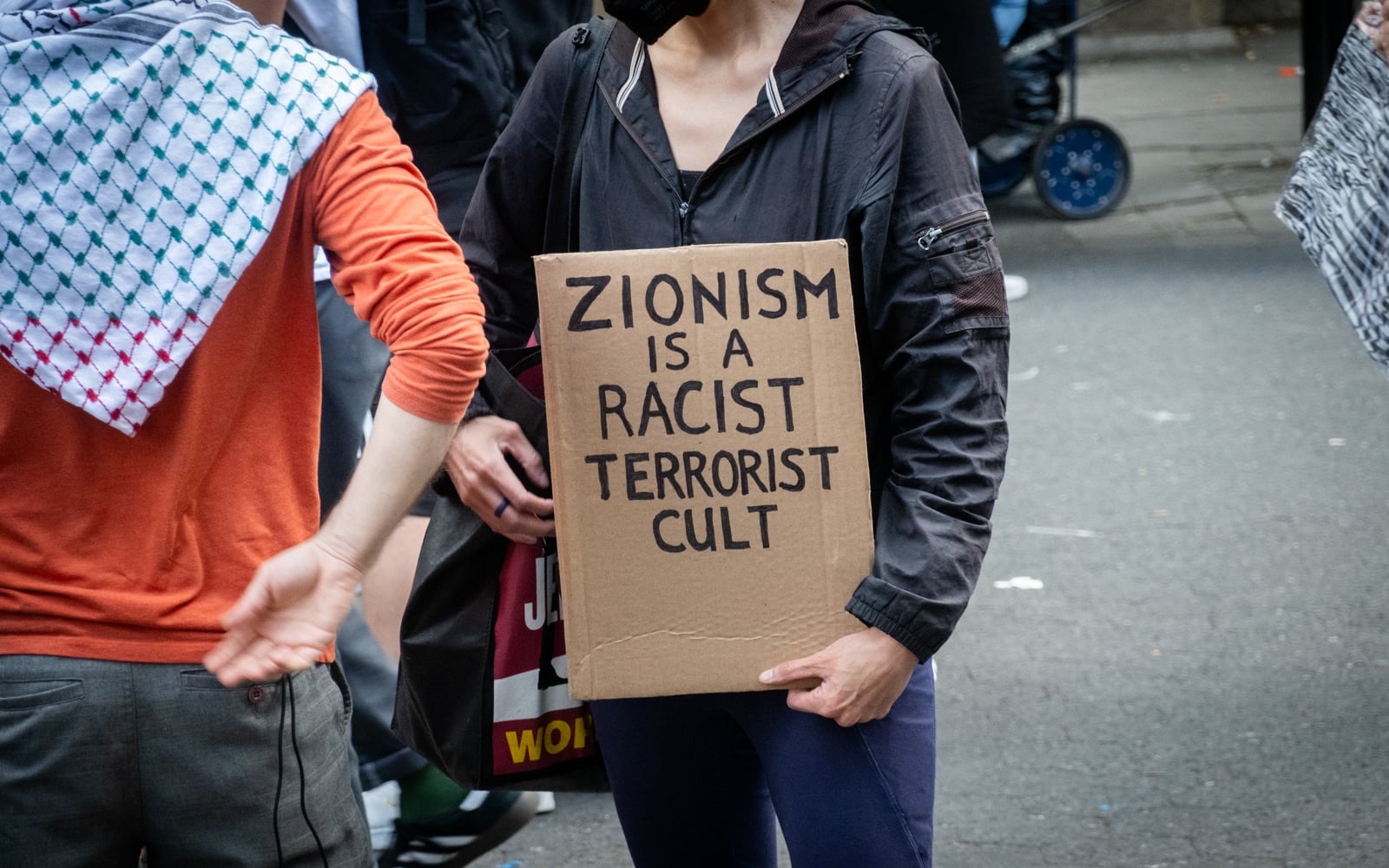
While classic liberalism holds the promise of universal values applied equally regardless of identity, even if that promise is not always fulfilled, the anti-Zionist far left rejects that framework in its absolutist approach.
Liberalism and anti-Zionism can come into conflict when they exist in the same group, like in PEN, where some staff sought to recognize Israeli and Jewish victimization, while others — including its former head — rejected it.
Forbidden sympathy
The PEN article also crossed another line by appearing to sympathize with Israelis or “Zionists.”
The proscription on recognizing suffering on the “Zionist” side was apparent immediately after October 7, when activists in cities around the US ripped down posters showing Israeli hostages held in Gaza.
In some other examples, Amnesty International struggled to release a report about the atrocities against Israelis during the October 7 attack for more than two years due to internal opposition. When The New York Times published an investigation of Palestinian sexual violence against Israelis, staffers in the newsroom revolted.
A recent psychology study on anti-Jewish prejudice noted that prejudice is nearly always accompanied by justifications that make it more socially acceptable. Leftists in the US are more likely to agree with anti-Jewish prejudice when it’s accompanied by anti-Israel rhetoric, the study found.
The negation of Israeli and Jewish suffering is also accompanied by justifications, like Mengestu’s argument that boycotts are dialogue. Those ripping down the hostage posters decried the fliers as “propaganda,” or said they were made with AI.
Writers Against the War in Gaza hailed Mengestu’s resignation, and doubled down on its exclusionary approach.
“Normalization of Zionism will never again be tolerated by the literary community,” the group said on Saturday. “There can be no freedom to write without a free Palestine.”