Breaking
Pay Attention To Your Liver Once You Begin To Notice These 4 Signs In Your Body

The liver plays a central role in multiple essential functions in the human body, including detoxification, metabolism, and the production of important proteins. When it becomes damaged or infected, its ability to perform these functions can be significantly reduced, leading to serious health complications.
Liver disease, also referred to as hepatic disease, includes a wide range of conditions that affect the structure and function of the liver. Medical information indicates that when a large portion of the liver—often more than three-quarters of its tissue—is severely damaged, the organ’s performance may begin to decline substantially.
According to clinical information referenced from the Mayo Clinic, liver failure and severe liver disease may present through several key symptoms.
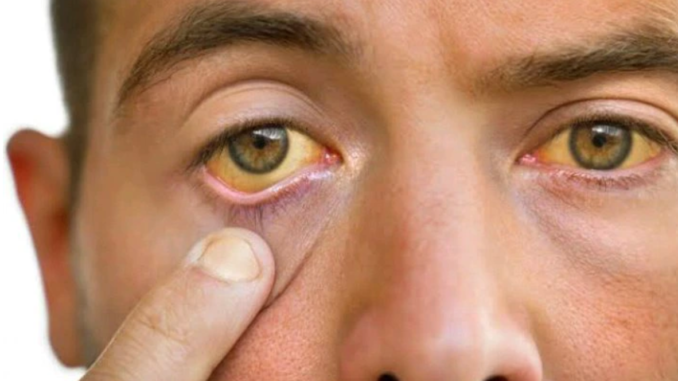
One of the commonly noted signs is jaundice. This condition is characterized by a yellowish appearance of the skin and eyes, and in some cases, darker urine. Jaundice develops when there is a buildup of bilirubin in the bloodstream. Bilirubin is a pigment produced during the breakdown of red blood cells. Under normal conditions, the liver processes bilirubin and helps convert it into bile. When the liver is impaired, it may not effectively process this substance, resulting in its accumulation in the body.
Another important indicator is fluid retention in the body. This may present as swelling in the legs or a buildup of fluid in the abdominal area. In many cases, this occurs due to cirrhosis, a condition where healthy liver tissue is replaced by scar tissue. Fluid accumulation can also be linked to reduced production of albumin, a protein responsible for maintaining proper fluid balance in the bloodstream, or increased pressure within the liver’s blood vessels.
Bleeding tendencies are also associated with advanced liver disease. Individuals may experience bleeding in the digestive tract, which can appear in vomit or stool. In liver conditions such as cirrhosis, scar tissue can disrupt normal blood flow through the organ, leading to increased pressure in surrounding veins. This may result in enlarged blood vessels and a higher risk of bleeding. In addition, a damaged liver may produce fewer proteins required for blood clotting, which can further increase bleeding risks.
Cognitive and memory-related changes may also occur. When the liver is unable to effectively filter toxins from the bloodstream, these substances can reach the brain. This may lead to confusion, difficulty concentrating, memory impairment, unusual drowsiness, and in severe cases, coma. Medical management in such cases may include treatments aimed at reducing toxin buildup in the bloodstream.