World
Pakistan worried about being drawn into US-Iran conflict after Houthis attack Saudi Arabia

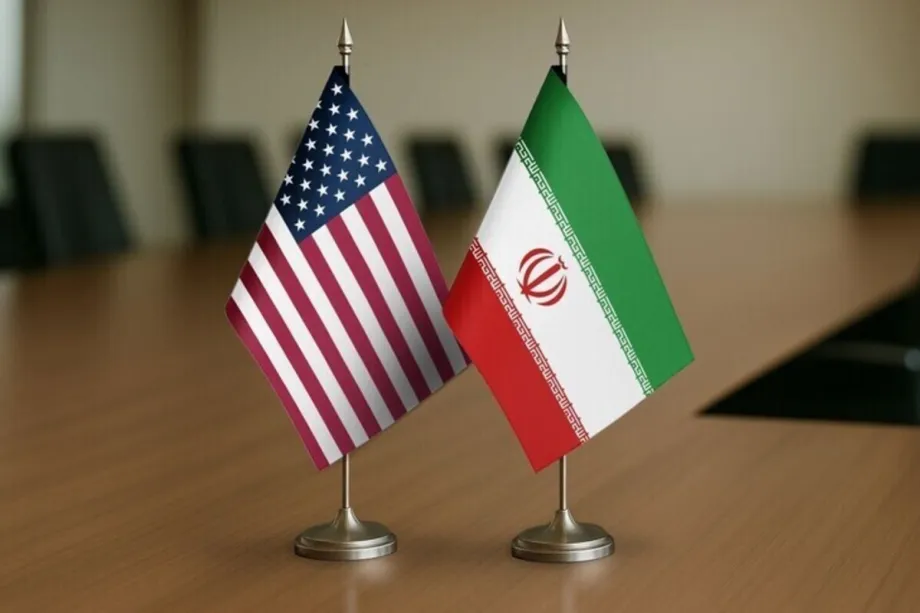
Attacks on Saudi Arabia by Yemen’s Iran-aligned Houthis this week have frustrated Pakistan and threaten to draw Islamabad into the conflict, complicating any future role it may have as a mediator between the United States and Iran, Reuters reported.
Nuclear-armed Pakistan, which helped broker an interim deal last month in the war between Washington and Tehran, signed a mutual defence agreement with Saudi Arabia last year and thousands of Pakistani soldiers have been deployed to the kingdom, alongside a squadron of fighter jets.
Pakistan had already voiced anger about Iranian strikes on Saudi Arabia earlier this year, but regional analysts and officials said the attacks this week had pushed Islamabad’s frustration with Iran to a new level as they raised the prospect of a new Saudi-Houthi conflict.
The Houthis fired missiles at Saudi Arabia after accusing the kingdom of bombing an airport under their control on Monday. The cross-border fire pierced a four-year truce but has so far been contained to a single incident.
The source and other Pakistani officials interviewed for this article spoke on condition of anonymity because they were not allowed to speak publicly.
“Pakistan wasn’t anticipating that the tensions will rise so suddenly,” said Muhammad Amir Rana, a Pakistani security analyst.
Pakistan’s frustration appears rooted in growing concerns that Houthi involvement may be more likely to draw Pakistan into the conflict than the Iranian missile strikes were earlier this year. Pakistani soldiers are deployed near the Saudi border with Yemen, two Pakistani officials said, increasing their direct exposure.
There are also concerns in Islamabad that a Houthi-led escalation could disrupt shipping in the Red Sea, an important trade route that Pakistan and many other countries depend on. A widening conflict there could be more difficult to contain and could target Saudi interests in a way that forces Pakistan to intervene militarily under the terms of its mutual defence pact.
Ghulam Mustafa, a retired Pakistani general, said that for now “Pakistan’s top leaders are still engaged in appeasing all stakeholders.” But he cautioned that this could change “if the Houthis expand the radius of their attacks in Saudi Arabia.”
This week’s tensions between Yemen’s Houthis and Saudi Arabia have fuelled broader concerns in Islamabad about Iran.
Two Pakistani government officials said growing divisions within the Iranian leadership have been watched with concern in Islamabad.
READ: China, Pakistan urge US, Iran to cease hostilities, resume dialogue
The views and objectives of Iran’s political leaders, including President Masoud Pezeshkian, Foreign Minister Abbas Araghchi and Speaker of Parliament Mohammad Bagher Ghalibaf, increasingly differ from those of the Islamic Revolutionary Guard Corps, the Pakistani officials said.
“The military seems to be dominating the decision making in Iran,” said Muhammad Ali, a Pakistani defence analyst, adding that this is increasingly “being recognised in Islamabad.”