Topnews
OUTRAGE IN KANO: Pregnant Women Forced to Give Birth in Tricycles as Abandoned Road Projects Leave Rural Communities Stranded

 Loading …
KANO, NIGERIA — A humanitarian crisis is quietly unfolding across several rural and semi-urban communities in Kano State, where the abandonment of critical road infrastructure projects has cut off thousands of residents from access to emergency healthcare.
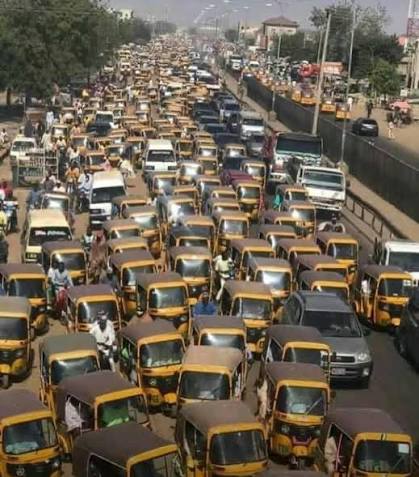
The structural neglect has triggered severe public outrage following harrowing reports of pregnant women being forced to deliver their babies inside commercial tricycles (popularly known as Keke Napep) while trapped in transit along impassable, mud-soaked stretches of neglected roads.
Delays, Mud, and Delivery en Route
The critical breakdown in maternal health access has become a recurring nightmare for communities along several stalled transport corridors, including the severely delayed 3.6-kilometre Zungeru Road axis and isolated agrarian enclaves like Bunkuyi village in Rano Local Government Area.
For years, residents in these corridors have battled collapsing infrastructure. However, the onset of the heavy 2026 rainy season has completely transformed the excavated, unfinished earthworks left behind by construction firms into impassable, swampy traps.
Local transport operators reveal that journeys to primary health facilities that should normally take less than fifteen minutes now stretch into hours.
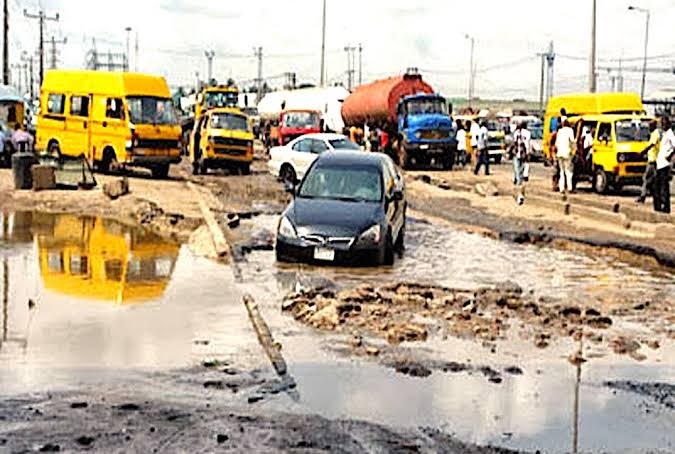
“We have had multiple instances where women in advanced labor are loaded into our tricycles in a desperate rush to reach the Murtala Muhammad Specialist Hospital or regional clinics,” Ibrahim Musa, a local commercial tricycle operator, told our reporter. “The roads are deeply cratered and flooded. The vehicles get stuck in the deep mud, the vibrations accelerate the labor, and before we can push the tricycle out, the woman has already given birth under completely unsanitary conditions right there on the passenger seat.”
A Decadelong Cycle of Administrative Neglect
Community leaders across the affected local government areas state that the infrastructure crisis is a direct result of political posturing and unfulfilled government contracts.
In some sectors, vital link roads have been left in a state of partial demolition for nearly a decade. Contractors frequently mobilize heavy machinery to dig up existing surfaces following high-profile executive flag-off ceremonies, only to completely vanish from the sites citing a lack of state counter-funding.
| Affected Axis / Community | Nature of the Structural Bottleneck | Direct Impact on Maternal Care |
| Bunkuyi Enclave (Rano LGA) | Decadelong absence of a motorable access link to the main town. | Total isolation; sick residents must be carried on motorcycles or makeshift stretchers. |
| Zungeru Road Corridor | Stalled 3.6km reconstruction; abandoned open drainage channels. | Severe seasonal flooding causing total traffic gridlock during medical emergencies. |
| Semi-Urban Layouts | Unfinished excavation works left open by fleeing contractors. | Tricycles capsize or become heavily bogged down in deep silt during labor transits. |
The absence of motorable surfaces has not only crippled the local agrarian economy but has significantly driven up infant and maternal mortality risks as specialized medical intervention remains physically out of reach for stranded rural families.
“Our Lives Are Being Played With” — Residents Demand Accountability
The growing frequency of roadside births has unified local civil society organizations and women’s rights groups, who are demanding an immediate administrative audit of all ongoing and abandoned road contracts awarded by the Ministry of Works and Housing.
Residents argue that while the Kano State Government frequently publicizes its interventions in upgrading inner-city clinical facilities, those investments remain completely useless to rural taxpayers who cannot physically access the metropolis due to broken transit pipelines.
Community advocates have issued an ultimatum to the state administration and the respective local council chairmen to either compel the vanished contractors back to the sites to lay basic gravel or immediately deploy emergency state direct-labor agencies to make the critical healthcare corridors motorable before more lives are lost to administrative inertia.
Related