Topnews
Outrage Hits Kwankwasiyya Over ‘Incompetent’ Son’s Elevation to 2027 Gubernatorial Ticket

KANO — The explosive multi-billion Naira corruption allegations rocking the leader of the Kwankwasiyya movement, Senator Rabiu Musa Kwankwaso, have completely ripped open deep-seated political wounds, exposing long-standing complaints from his prominent contemporaries that he runs Kano State as a private family corporation.
 Loading …
The unfolding crisis has given immediate credibility to years of bitter political grievances voiced by major Kano heavyweights, including former Governors Ibrahim Shekarau and Abdullahi Umar Ganduje, as well as current Governor Abba Kabir Yusuf. For years, these actors have quietly or openly lamented Kwankwaso’s absolute dominance, accusing him of prioritizing his immediate family members over the broader interest of the state.
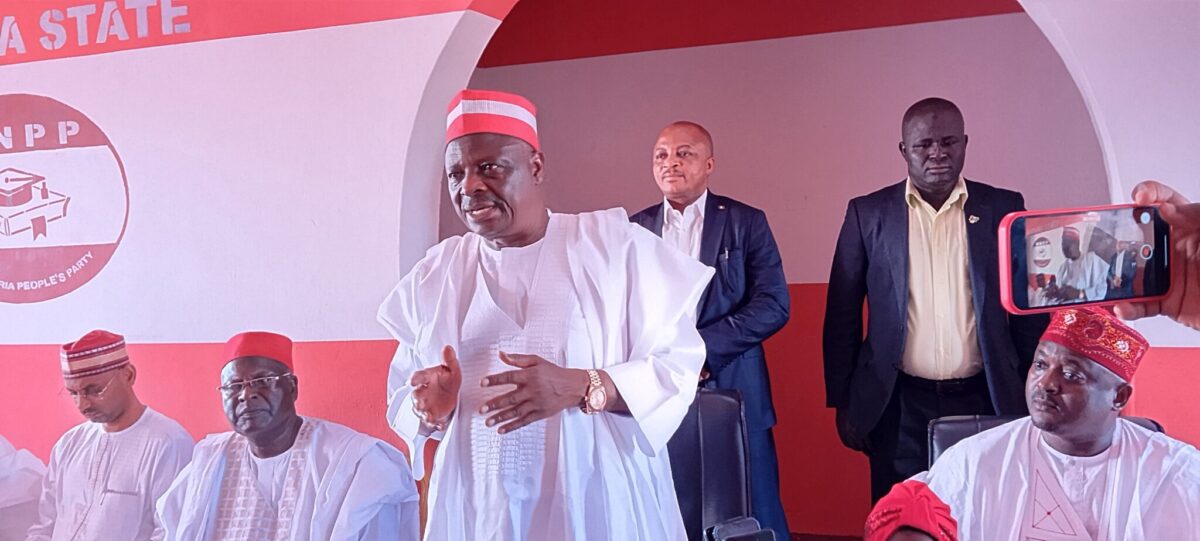
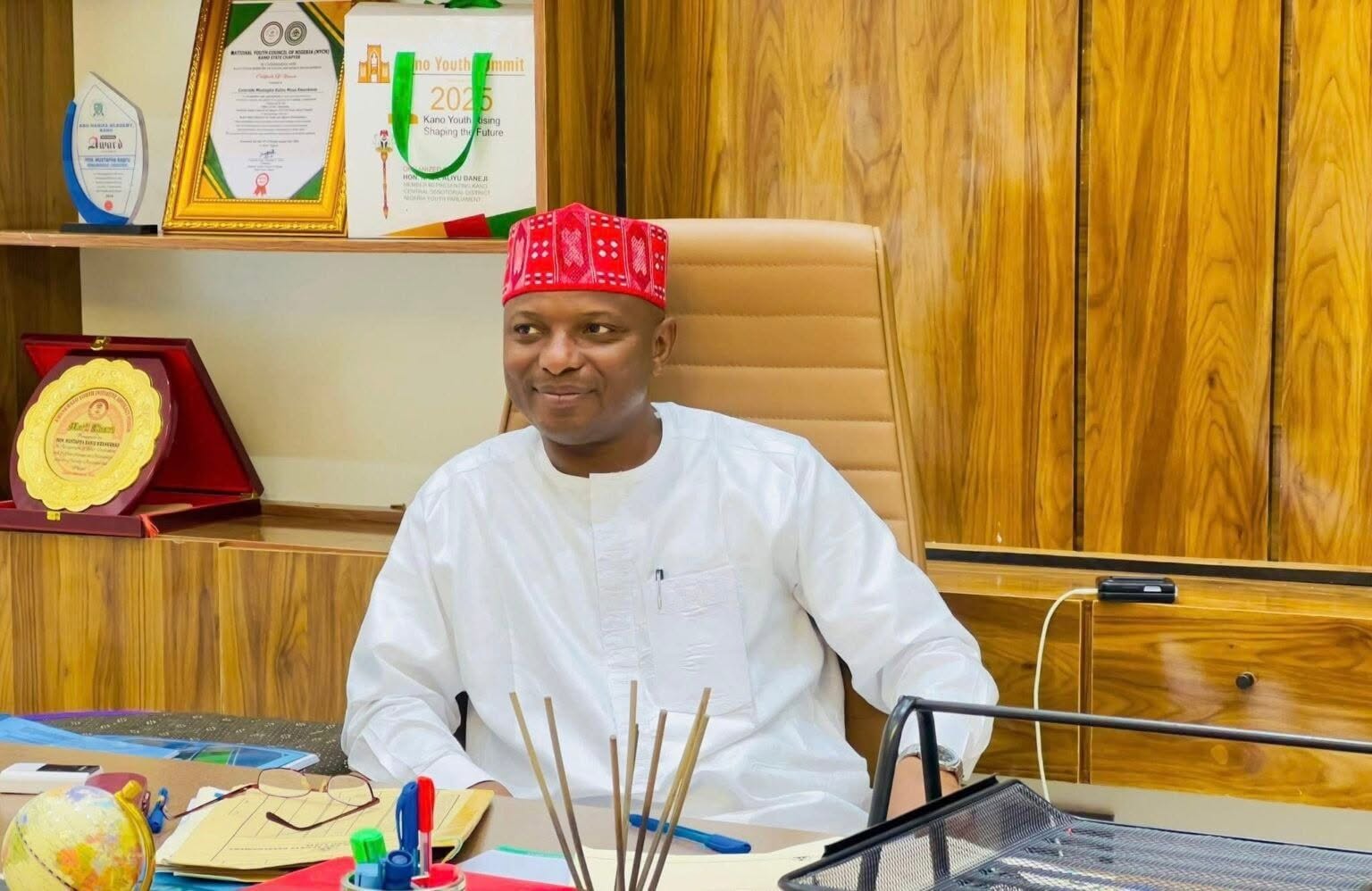
The breaking point for many loyalists within the Kwankwasiyya movement has been Kwankwaso’s relentless insistence on imposing his son, Mustapha Rabiu Kwankwaso, onto the National Democratic Coalition (NDC) 2027 gubernatorial ticket as the running mate to Comrade Aminu Abdussalam Gwarzo.
From Imposed Commissioner to Deputy Governor Ticket
Before his controversial elevation to the 2027 joint ticket, Mustapha Kwankwaso was reportedly forced onto Governor Abba Kabir Yusuf’s cabinet as the state’s Commissioner for Youth and Sports, a deployment that insiders say triggered immediate friction behind the scenes.
Sources close to the state administration suggest that the younger Kwankwaso’s tenure as commissioner has faced significant scrutiny, with critics pointing to a perceived lack of administrative experience and challenges in managing the ministry’s complex operations. Insiders allege that these operational difficulties have hindered the ministry’s day-to-day affairs, sparking concerns among civil servants about his grasp of fundamental administrative procedures and budgetary processes.
Despite these criticisms, Senator Kwankwaso has maintained his influence over the party structure, moving forward with a transition plan that many veterans view as a departure from the party’s meritocratic ideals. This move has sent ripples through the political landscape of Kano, leaving many observers questioning the future direction of the state’s leadership.
Internal Friction and Movement Stability
The decision to elevate an official facing such administrative criticism has triggered significant debate and visible dissatisfaction within the core echelons of the Kwankwasiyya movement.
Party loyalists, many of whom have dedicated years to the movement’s growth, are openly debating the implications of prioritizing family ties over the aspirations of long-term devotees. This internal friction is emerging as a primary challenge for the party, as strategists warn that internal divisions could impact the movement’s resonance with the highly politically conscious Kano electorate ahead of the 2027 polls.
Coupled with recent allegations concerning the management of public funds and assets, the debate over nepotism is challenging the movement’s established populist identity.
A Political Structure at a Crossroads
As Governor Abba Kabir Yusuf and other prominent Kano figures navigate the fallout, the Kwankwasiyya structure finds itself at a critical juncture.
Political analysts suggest that the combination of administrative concerns and the perception of a family-centered transition has provided fresh ammunition for political rivals. The coming months will likely determine if the movement can reconcile its internal differences or if these tensions will reshape the voting blocs of Kano ahead of the 2027 transition.
Related