World
One Thousand Days of War: Why “Israel” Failed to Defeat Palestine

July 3 marks one thousand days since the beginning of the genocidal war in Gaza. It also compels us to acknowledge an undeniable reality: despite overwhelming military superiority, “Israel” has failed to achieve its principal political objective.
The destruction has been immense. The humanitarian catastrophe has reached unprecedented levels, and tens of thousands of lives have been lost.
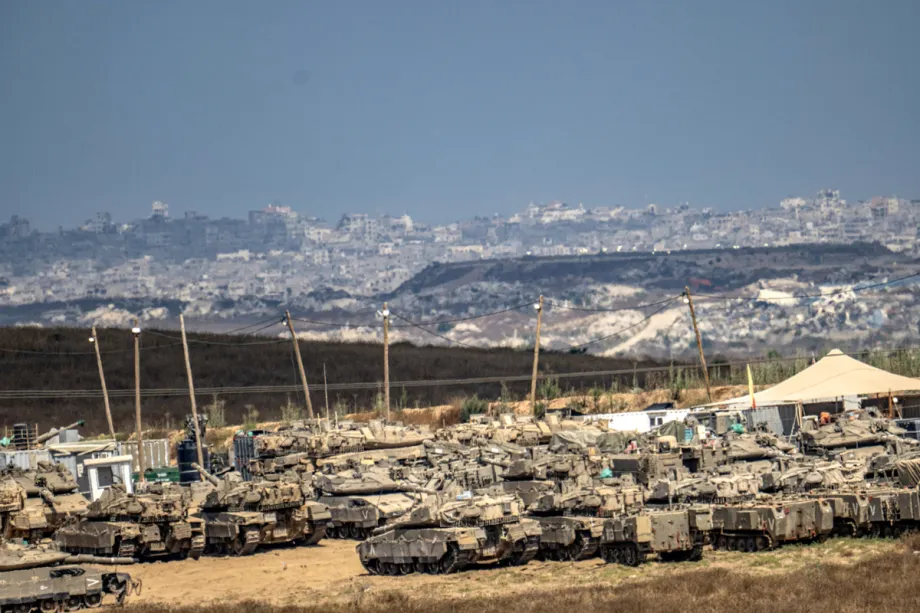
Since 1948, successive Israeli governments have sought to resolve the conflict through military force. In Gaza, the strategy once again relied on the assumption that overwhelming military superiority would eliminate the Resistance and permanently extinguish the Palestinian national cause.
One thousand days later, that expectation has not materialized.
The war has also called into question one of the pillars of Israeli security doctrine: its deterrence capability.
For decades, technological and military superiority was presented as the guarantee of Israel’s security and regional stability. Yet a prolonged conflict, the persistence of the Palestinian Resistance and the opening of multiple regional fronts have fueled growing debate over the limits of this strategy.
Military superiority remains intact. Israel’s ability to translate military power into lasting political outcomes, however, has become increasingly contested.
READ: 1,022 infants among more than 21,500 children killed during Gaza’s 1,000-day war
At the same time, Israel faces an unprecedented level of international scrutiny. While it continues to enjoy the support of key allies—particularly the United States—its political standing and moral legitimacy have come under sustained global criticism.
Growing criticism in international organizations, expanding legal proceedings, and the mobilization of universities, trade unions and civil society movements all reflect a profound shift in global public perception.
Perhaps this is the greatest political setback produced by the war.
For millions around the world, the Palestinian flag has come to represent opposition to colonialism, occupation and the selective enforcement of international norms.
These one thousand days have also exposed the crisis of the international order established after the Second World War.
As allegations of violations of international humanitarian law multiplied, so too did the perception—particularly across the Global South—that multilateral institutions have failed to respond with the same determination when the interests of major powers are at stake.