Breaking
“No bed syndrome” persists as completed Sewua and Afari hospitals remain idle

Ghana’s recurring “no bed syndrome” has once again exposed deep weaknesses in the country’s healthcare system, raising serious questions about why major hospital projects worth millions of dollars remain underutilised while patients struggle to access emergency care.
The issue came into sharp focus recently at the Komfo Anokye Teaching Hospital (KATH) in Kumasi, where congestion at the Accident and Emergency Unit forced the facility to suspend the admission of new emergency cases.
The development sparked public outrage and led to the suspension of the hospital’s Chief Executive Officer (CEO) as the Ministry of Health sought answers to the worsening crisis, a response that the medical doctors and nurses at KATH describe as problematic and a knee-jerk approach to the issues raised by the CEO.
Yet, many observers argue that the real problem extends beyond management decisions at KATH.
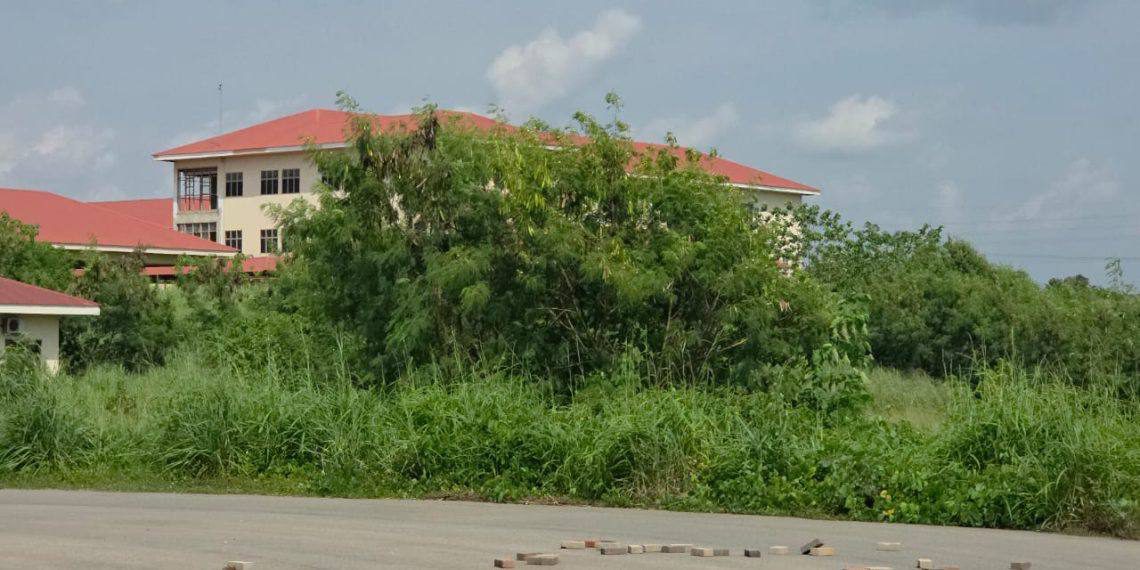
Just a short distance away stands the 500-bed Afari Military Hospital, a modern facility equipped with advanced medical infrastructure but still not fully operational despite years of construction and repeated operationalisation promises.
The hospital was part of the Euroget hospital projects initiated under former President John Agyekum Kufuor.
The project was intended to strengthen healthcare delivery in the Ashanti Region and reduce pressure on existing facilities.
The state-of-the-art hospital includes operating theatres, delivery suites, laboratory services, staff accommodation, a training centre, medical gas production facilities, and hundreds of beds capable of serving both military personnel and civilians.
Similarly, the 250-bed Ashanti Regional Hospital at Sewua was completed and commissioned under the previous administration to address healthcare demands in the region.
Together, the Afari and Sewua hospitals provide hundreds of additional beds that could significantly ease the burden on KATH.
There have been repeated promises of operationalisation from this current government. The president, John Dramani Mahama, in March last year, promised Otumfour and the whole Ashanti Region to operationalise the hospital by the end of 2025.
“I will assure Otumfour that we will complete the Sewua hospital by the end of this year. The completion will allow us decongest KATH so that important rehabilitation works can continue there”, the president promised.
However, while KATH battles overcrowding and patients continue to face delays in accessing emergency care, portions of these facilities remain underutilised or inactive.
Critics say this reflects a lack of urgency by successive governments to fully operationalise healthcare infrastructure after commissioning ceremonies have ended.
The Ministry of Defence has acknowledged that financial constraints and contractual disputes delayed the completion of the Afari Military Hospital in the Atwima Nwabiagya District of the Ashanti Region.
However, the then Defence minister promised its operationalisation in 2025.
During an inspection last year, the former Defence Minister Dr. Edward Omane Boamah assured the public that the facility would become fully operational by September 2025.
He described the prolonged delay as unacceptable and pledged to engage contractors to resolve outstanding issues.
For many Ghanaians, however, the question is “why should patients continue to suffer under ‘no bed syndrome’ when hundreds of hospital beds already exist but are not being fully utilised?”
Similar concerns have been raised in hospitals across Ghana. In a recent case, a man identified as Mr. Arthur reportedly died after the Greater Accra Regional Hospital (Ridge Hospital) was unable to admit him following a road accident in which he was knocked down by a vehicle.
Read Also: No bed syndrome: Family loses mother and unborn baby
In another case, a parent recounted a similar experience at Ashaiman Hospital, where her nine-year-old daughter was allegedly turned away due to the unavailability of beds.
These unfortunate incidents amplify the persistent challenges facing Ghana’s healthcare system, particularly the recurring “no-bed syndrome”.
They highlight a deepening crisis in the health sector that requires urgent attention and sustainable solutions to ensure that patients receive timely and adequate medical care.
As healthcare workers struggle under pressure and patients face life-threatening delays, the operationalisation of hospitals such as Afari and Sewua may offer one of the most immediate solutions to Ghana’s growing healthcare crisis.
Until then, the country’s battle against “no bed syndrome” is likely to remain a painful reality for many families.