Topnews
Nigeria’s Security Apparatus Accused Of Hunting ‘Shadow Threats’ While Bandits And Terrorists Ravage North And West

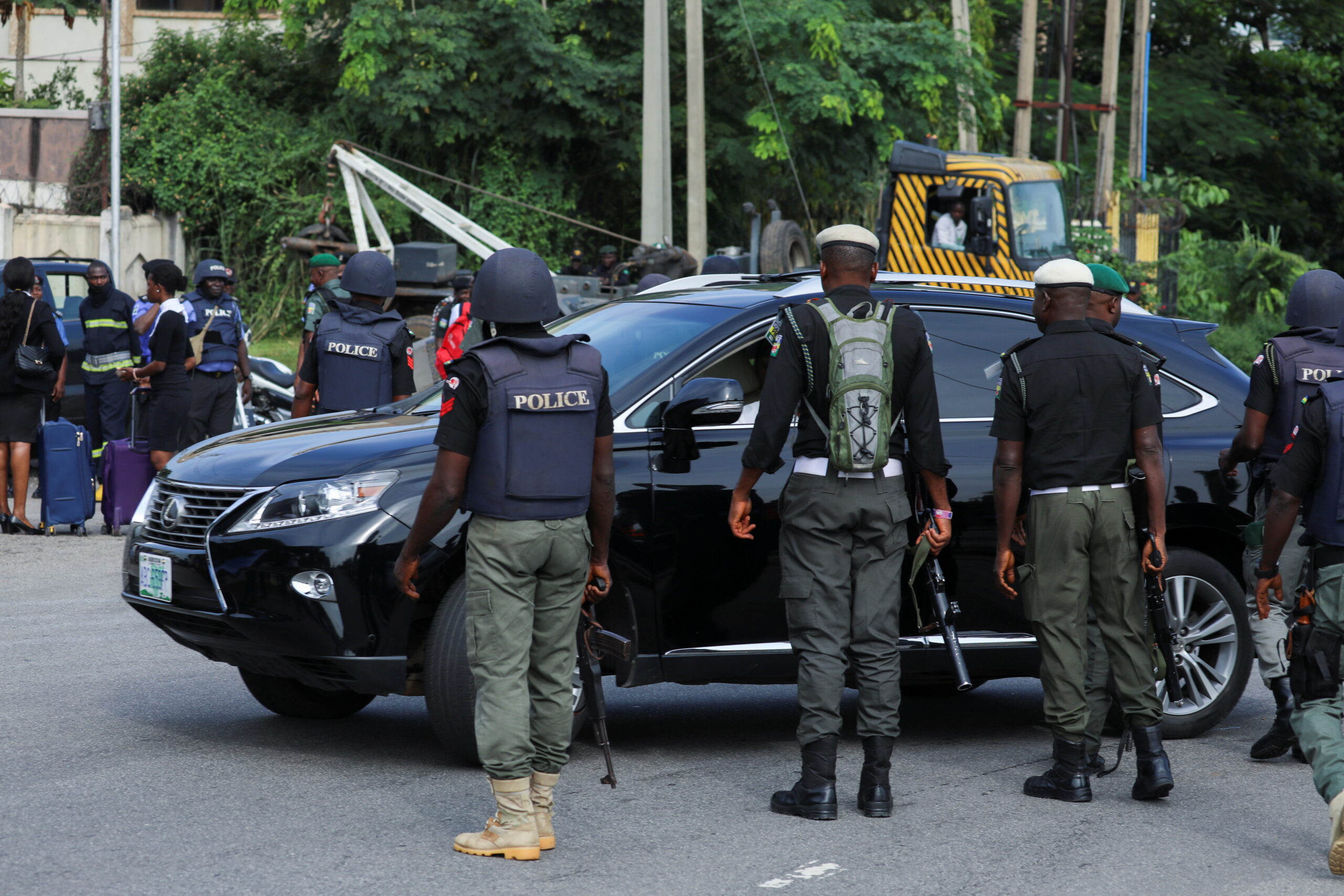
ABUJA, Nigeria — Nigeria’s federal security architecture is facing intense public backlash following a recent joint operation in Enugu State, as critics accuse the government of prioritizing political “shadow threats” in the Southeast while completely abandoning citizens to rampant bloodshed and mass abductions in the Southwest, North Central, and Northeast regions.
The criticism follows a highly publicized raid by the Department of State Services (DSS) and the Nigerian Army’s 82 Division, which allegedly foiled an Eastern Security Network (ESN) plot and recovered a cache of high-calibre weapons. While security agencies celebrate the operation as a major victory, defense analysts and distraught citizens argue that the government’s security priorities are dangerously misplaced.
Heavy Hand in the East, Empty Promises in the North
While the military deploys vast intelligence assets and elite troops to track down secessionist field commanders in the Southeast, active terror zones across the rest of the country are left entirely undefended.
In the North Central and Northeast regions, the reality on the ground remains grim:
- Daily Abductions: Armed bandits routinely sack entire villages in states like Niger, Zamfara, and Kaduna, carting away hundreds of students and rural farmers into forest dens for ransom.
- Unchecked Insurgency: Despite years of government claims that Boko Haram and ISWAP have been neutralized, communities in Borno and Yobe states still face relentless highway ambushes and deadly village raids.
- Abandoned Commuters: In the Southwest, major transit corridors have become hunting grounds for heavily armed kidnappers, leaving travelers completely vulnerable due to a severe shortage of highway policing.
A Strategy of Public Relations Over Public Safety
The stark contrast in response times has sparked widespread outrage. Critics point out that while the DSS successfully tracked arms couriers across Kaduna and Kebbi following the late 2025 abduction of students from St. Mary’s Catholic School in Niger State, the arrests came long after the trauma had been inflicted.
“The current strategy is reactive and performative,” says an Abuja-based security analyst who spoke on the condition of anonymity. “The government is obsessed with highly visible operations that look good in press releases, but they are completely failing at the basic duty of territorial defense. Millions of Nigerians in the North and West wake up every day knowing no soldier is coming to save them if they are attacked.”
Structural Collapse Leaves Rural Areas Vulnerable
The lopsided deployment of security forces highlights deeper structural flaws within Nigeria’s centralized defense system:
- The Defensive Vacuum: By concentrating heavy military hardware and personnel in the Southeast to suppress political agitation, the federal government has created massive security vacuums in agricultural belts, triggering severe food insecurity as farmers flee their lands.
- Centralized Bottlenecks: Local governments remain powerless to deploy federal troops during active raids, leaving rural populations to rely on ill-equipped local vigilantes who are frequently outgunned by terrorists.
As the death toll rises daily across the country, pressure is mounting on the presidency and service chiefs to decentralize policing and reallocate critical defense assets away from political battlegrounds and onto the frontlines where Nigerian lives are being lost by the hour.
Related