Society
Nigeria, China Renew Commitment to Tourism, Cultural Cooperation at 2026 China Tourism Day

China and Nigeria have reaffirmed their commitment to strengthening tourism and cultural ties to promote growth and international cooperation.
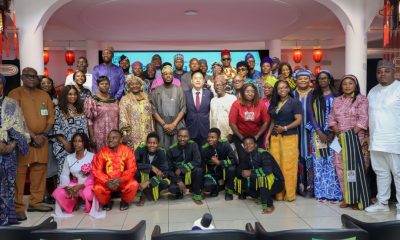
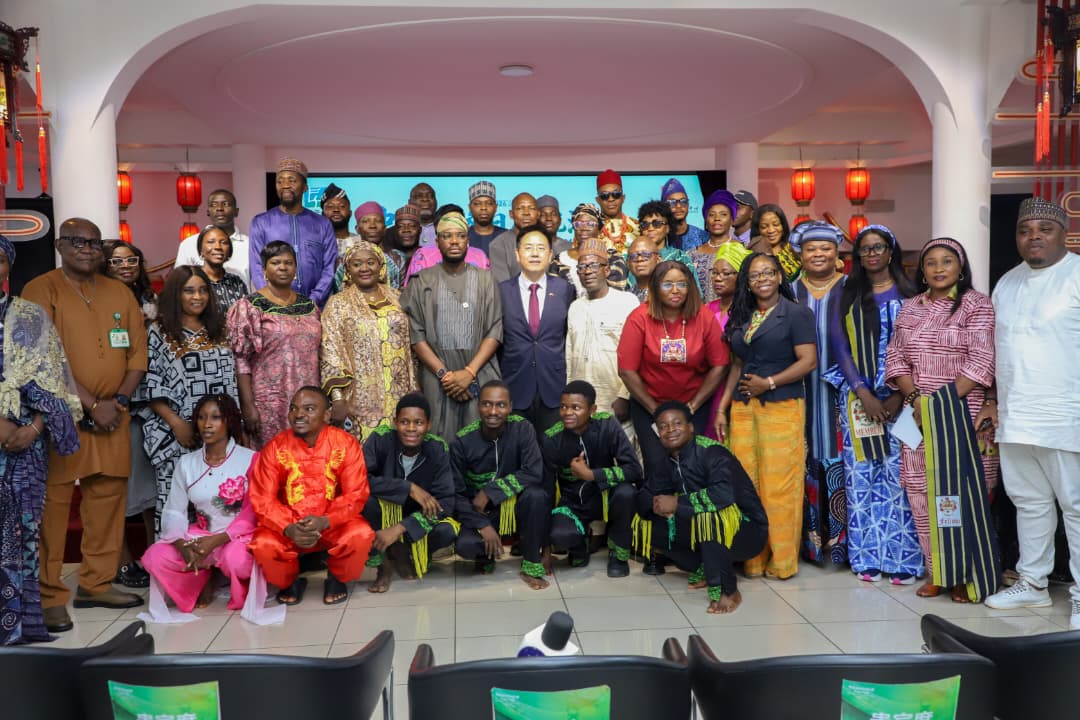
The pledge was made at the 2026 edition of China Tourism Day held at the China Cultural Centre in Abuja on Friday.
The event attracted government officials, diplomats, tourism professionals, cultural enthusiasts, and stakeholders from the creative industry, who gathered to celebrate the growing relationship between both countries and the role of tourism in fostering international cooperation.
Addressing participants during the celebration, Cultural Counsellor Yang Jianxing said this year’s theme, “Enjoying Quality Tourism, Exploring Beautiful Landscapes,” reflects the importance of tourism in promoting friendship, cultural understanding, and shared experiences among nations.
He explained that tourism goes beyond leisure and recreation, describing it as a platform that encourages interaction between peoples and civilizations.
Yang noted that both China and Nigeria possess rich historical traditions and world-renowned tourist attractions that continue to strengthen cultural connections between their citizens. He pointed to landmarks such as the Great Wall of China, Mount Tai, Osun-Osogbo Sacred Grove, and Zuma Rock as important symbols of national identity and cultural pride.
He also highlighted previous collaborative initiatives between the two countries, including cultural festivals and Chinese New Year programmes, which he said have created opportunities for deeper engagement through music, art, cuisine, and traditional performances.
Representing the Federal Ministry of Arts, Culture, Tourism and Creative Economy, Abdulkarim Ozi Ibrahim said Nigeria’s cultural and diplomatic relationship with China has continued to expand over the last five decades.
Represented at the event by Yohanna Evandu, the Permanent Secretary noted that cooperation between both nations has delivered significant benefits, especially in education, skills development, and cultural exchange.
He observed that several Nigerian performers and cultural practitioners have benefited from training opportunities in China, while educational exchange programmes have also strengthened bilateral ties.
Ibrahim praised China’s investment in tourism infrastructure and environmental management, describing the country’s approach to heritage conservation and urban aesthetics as impressive and worthy of study.
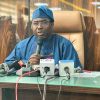
Also speaking, Aare Abisoye Fagade, Director General of the National Institute for Hospitality and Tourism (NIHOTOUR), said China’s progress in tourism development offers practical lessons for emerging tourism economies such as Nigeria.
According to him, China has successfully combined innovation, infrastructure development, technology, and cultural preservation to build a globally competitive tourism sector.
Fagade said Nigeria could benefit immensely from stronger institutional partnerships with China in areas including hospitality training, tourism education, destination management, culinary arts, tourism technology, and professional certification.
He explained that the implementation of the NIHOTOUR Act 2022 has positioned the institute to play a more active role in regulating and professionalising Nigeria’s hospitality and tourism industry.
The NIHOTOUR boss also called for increased collaboration in tourism investment, workforce development, research, technology transfer, and destination marketing, stressing that stronger partnerships would improve the competitiveness of Nigeria’s tourism sector.
Stakeholders at the event collectively expressed optimism about the future of Nigeria-China relations, particularly in tourism and the creative economy, noting that stronger cooperation would encourage cultural understanding, economic growth, and deeper people-to-people engagement.
The celebration ended with cultural performances and interactive sessions showcasing the longstanding friendship and shared aspirations between Nigeria and China.