World
Massive escalation or back to talks? The four options Trump has left on Iran

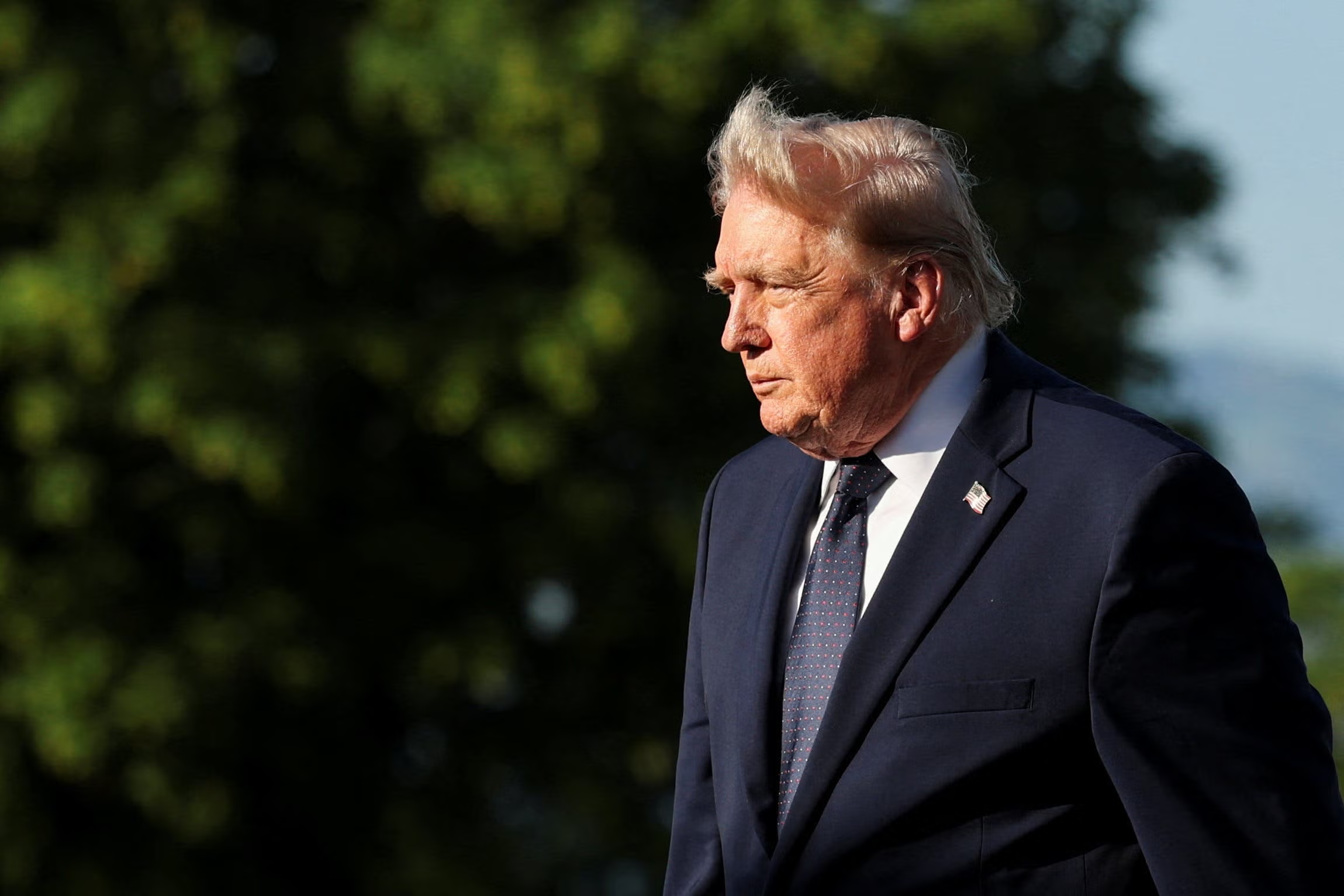
Donald Trump reportedly convened a meeting with top security officials on Tuesday to discuss opening a major new offensive against Iran as the Islamic Republic appeared unmoved by another four days of strikes around the Strait of Hormuz.
The president met with top administration officials and envoys to draw up new plans for harsher strikes across Iran in an effort to force the regime to reopen the strait and bend to his nuclear demands, according to Axios.
He has hinted this could extend to strikes on civilian infrastructure – including bridges and power plants – unless Iran comes in for talks.
His military has until now focused on limited attacks on Iranian threats around the strategic waterway, triggering Iran to launch strikes on its neighbours and commercial shipping in the region.
Washington is still searching for a way to break Iran’s grip on the Strait of Hormuz, a powerful piece of leverage that continues to influence global energy prices as the November midterms close in.
But after buying himself another 60 days to use the military without congressional approval, it appears Trump may not be ready to break fully from the strategy of the last few months: attacking strategic sites in the hope it will bring Tehran to the table.
With the war in Iran at another inflection point, The Independent reviews Trump’s options.
Continue the status quo: Low level bombing without escalation
The latest round of attacks came after the US accused Iran of hitting ships in the Strait of Hormuz.
The waterway – which was open to international traffic without fees before the war – has become a major headache for the US since Iran effectively closed it in the early days of the conflict.
Trump has boasted that the US military has sunk Iran’s navy. But Tehran has shown it is capable of closing down the strait to commercial traffic with a few dozen mines, drones and thousands of cheap attack boats.
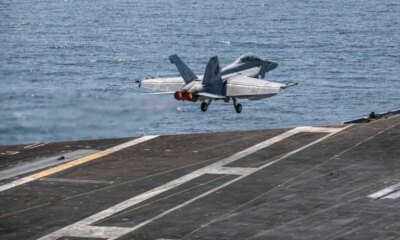
The US says the strikes on coastal cities and islands over the last few days serve “to continue degrading Iranian capabilities used to attack commercial shipping in the Strait of Hormuz”. A new blockade of Iranian ports will also hurt Iran’s economy.

But the attacks are yet to force a capitulation from Iran, who has demonstrated its resolve by continuing strikes in the region.
Iran’s recent retaliatory strikes have mostly targeted tiny Bahrain, which is home to US bases and already hawkish on Iran, and Kuwait – a more pragmatic, but nearby and stationing US forces.
The US has more money and firepower than Iran to keep up a war of attrition. But it is also weighed down by the challenges of logistics and domestic pressure to end the war.
Strike civilian infrastructure
This is not the first time Iran and the US have clashed around the strait since a ceasefire was declared in April.
Each time, Iran asserts itself by attacking ships trying to cross the channel without permission, insisting it can control traffic and impose ‘fees’.
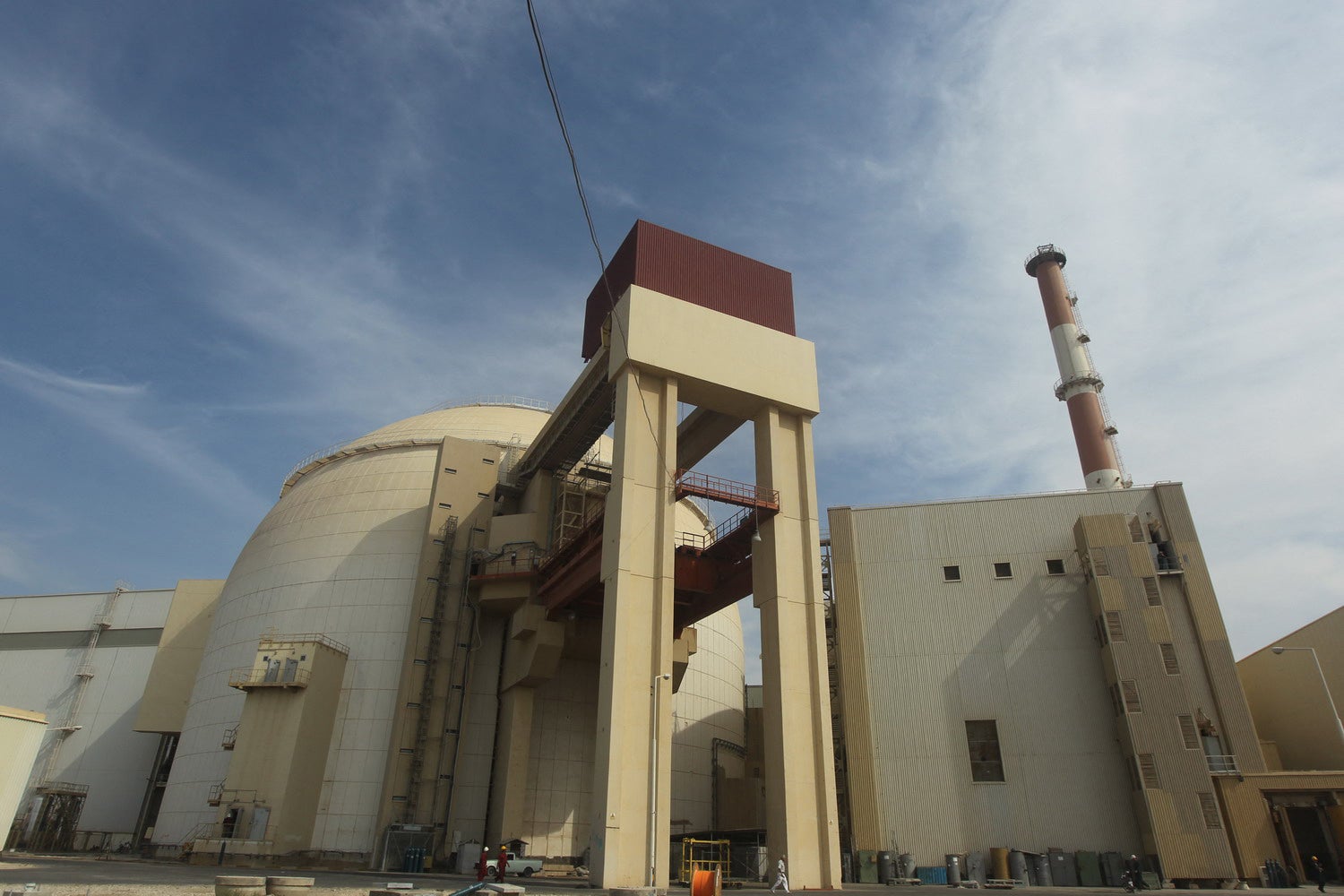
The US then usually responds with strikes on Iranian radar sites, air defences and so on along the coast and on the gateway islands in the strait. Both eventually pull back.
Trump has introduced an important distinction this time around, with strikes on two civilian bridges connecting Tehran to Mashhad.
For now, this might just be a threat. But the president told Fox News the US was willing to attack civilian infrastructure unless Iran comes back for talks.
“I’ll save the energy targets for last, but ultimately we’ll hit energy targets,” he said. “Next week comes the power plants, next week comes the bridges unless they get to the tale and negotiate”.
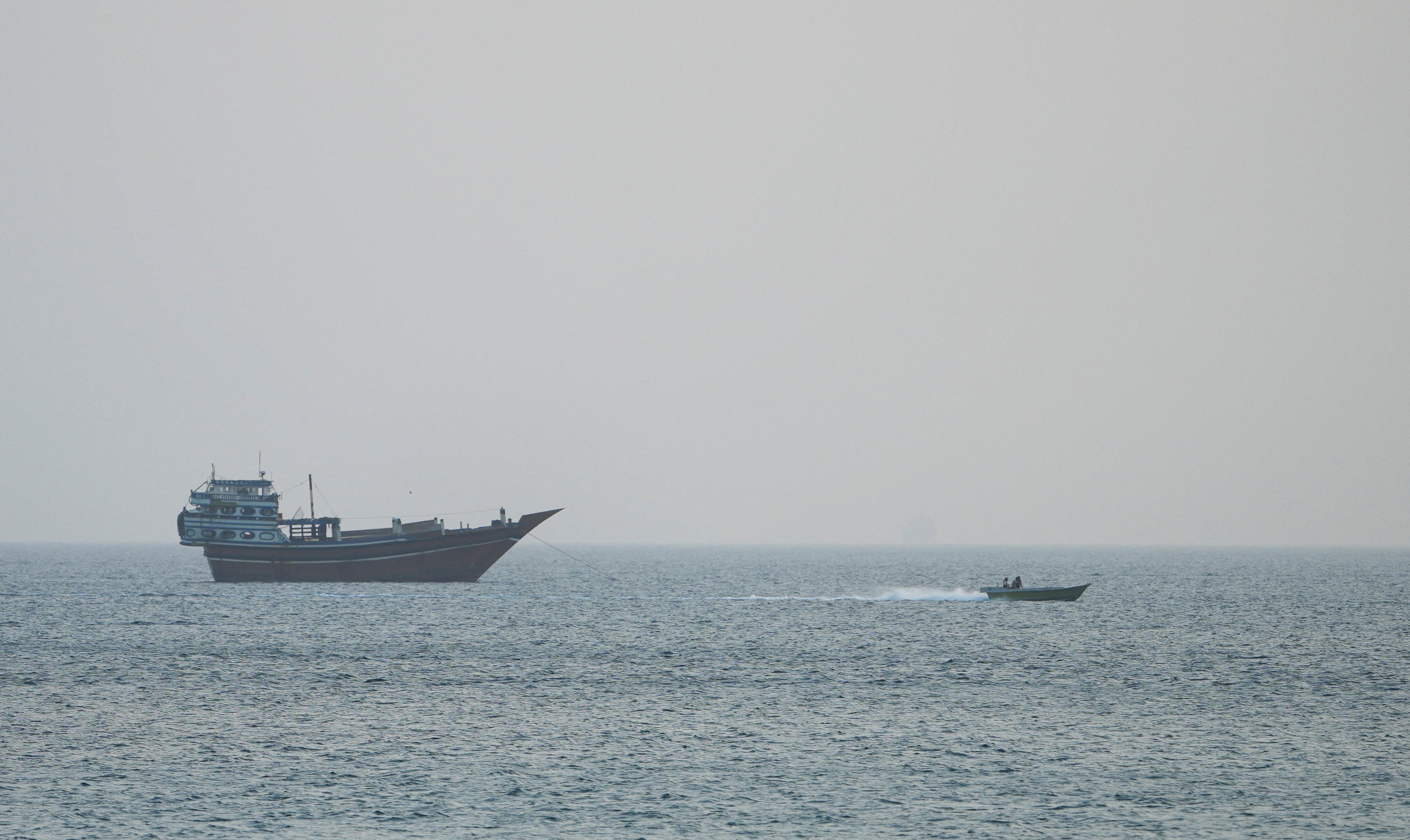
The 1949 Geneva Conventions on humanitarian conduct in war prohibit attacks on sites considered essential for civilians. Such a move would likely draw round condemnation from allies.
Iran’s deputy foreign minister Kazem Gharibabadi appeared to call his bluff, saying it would be a “mistake” to think that military actions and an economic blockade could bring Iran back in for talks.
Re-enter talks and cave to Iranian demands
The flare-up over the last few days has heightened doubts that a memorandum of understanding signed last month would lead to a permanent halt to the war.
That agreement emerged in June, focused on ending hostilities and reopening the Strait of Hormuz to allow for 60 days of talks on Iran’s nuclear programme and sanctions relief.
Washington’s main assertion is that Iran must never have a nuclear weapon, which Tehran denies seeking anyway. Both sides were inching towards terms on inspections, uranium enrichment and stockpiles before the war broke out in February.
Iran, buoyed by the impact of its closure of the strait, is now seeking sanctions relief, the ability to impose fees on ships, the release of frozen assets held abroad, and a recovery fund.
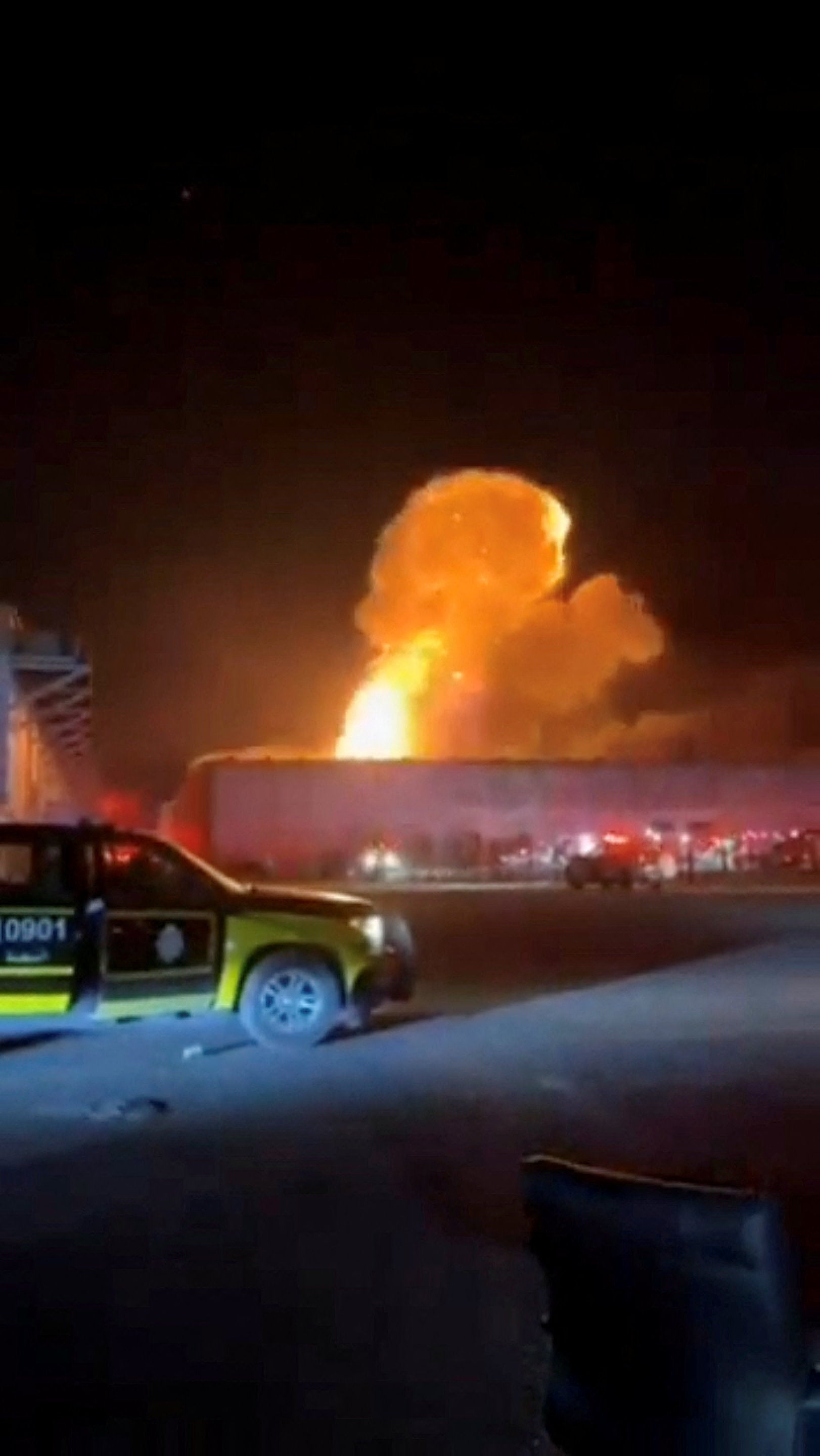
Trump could try to re-enter talks, offering concessions. But here he also faces domestic pressure from allies, who accused him of making the “worst foreign policy blunder in decades” before it even started.
“Reagan is rolling over in his grave,” said Louisiana senator Bill Cassidy in June, as the interim agreement was unveiled.
“Iran’s nuclear ambitions were not curbed, and they have learned that threatening the Strait of Hormuz works and will undoubtedly leverage it in the future.”
Disengage entirely
A heavy escalation beyond tit-for-tat strikes could risk a return to a full-on war, which would no doubt incur huge expense and remain very unpopular at home.
An alternative for Trump is to totally disengage from the conflict, ending hostilities and leaving the region to deal with the consequences before restarting talks at a later date.
But this could potentially further tarnish America’s reputation as a reliable ally abroad, galvanise Iran to act with impunity, and open Trump to scrutiny from political opponents and voters at home.