World
Man who stormed White House dinner denies trying to assassinate President Trump

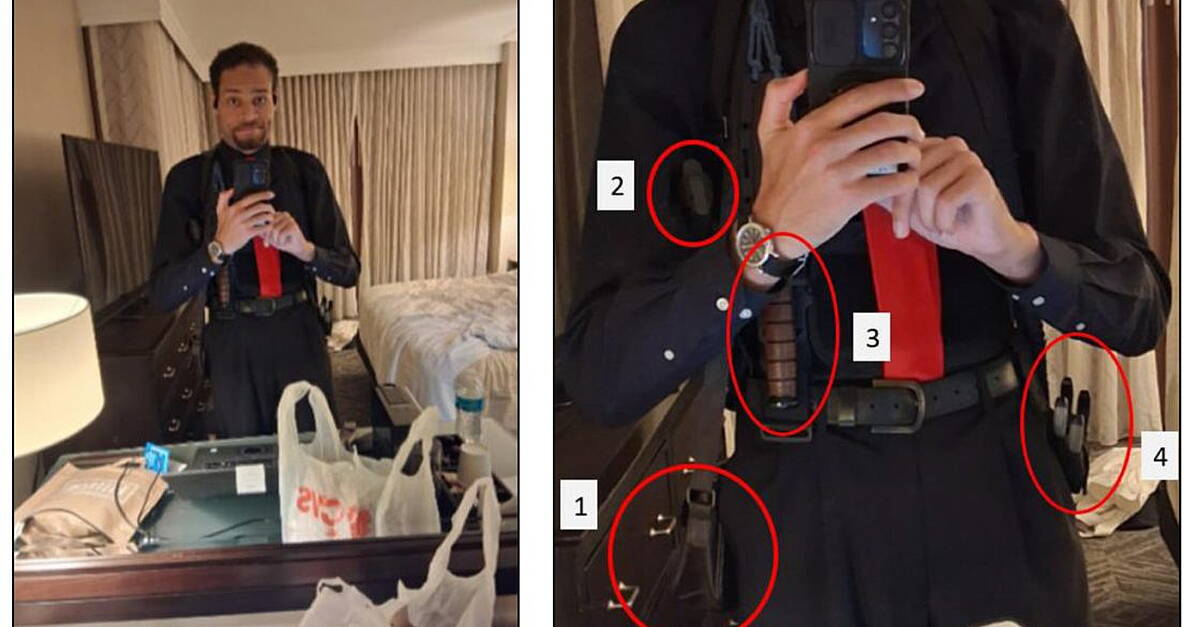
A man accused of storming the White House Correspondents’ Association dinner while armed with guns and knives pleaded not guilty on Monday to charges that he attempted to kill President Donald Trump and fired a shotgun at a Secret Service officer who tried to stop the attack.
Cole Tomas Allen was handcuffed and shackled and wearing an orange jail uniform when he appeared in federal court for his arraignment. Allen did not speak during the brief hearing. One of his lawyers entered the plea on his behalf.
Allen’s lawyers are asking US district judge Trevor McFadden to disqualify at least two top Justice Department officials from direct involvement in prosecuting him because they could be considered victims or witnesses in the case, creating a potential conflict of interest.
Acting attorney general Todd Blanche and US attorney Jeanine Pirro were attending the event when Allen ran through a security checkpoint and fired a shotgun at a Secret Service officer, authorities said.
Defence lawyer Eugene Ohm said the defence likely would seek to disqualify Ms Pirro’s entire office from involvement in the case.
Judge McFadden did not rule from the bench on that question but asked Allen’s attorneys to elaborate on the possible scope of their recusal request.
A Secret Service officer wearing a bullet-resistant vest was shot once during the April 25 attack at at the Washington Hilton, which disrupted and ultimately prompted an early end to one of the highest-profile annual events in the nation’s capital.
Allen, 31, of Torrance, California, was injured but was not shot.
Allen is scheduled to return to court on June 29.
Besides the attempted-assassination count, Allen also is charged with assaulting a federal officer with a deadly weapon and two additional firearms counts. He faces a maximum sentence of life in prison if convicted of the attempted assassination charge alone.
Allen was placed on suicide watch after his arrest, but jail officials removed him from that status after several days.
His lawyers complained that he had been unnecessarily confined in a padded room with constant lighting, repeatedly strip searched and placed in restraints outside his cell.
Allen told FBI agents that he did not expect to survive the attack, which could help explain why he was deemed to be a possible suicide risk, a Justice Department prosecutor said.