Trends
M-East Crisis: Marketers To Adjust Prices As Crude Surges Past $100 Per Barrel

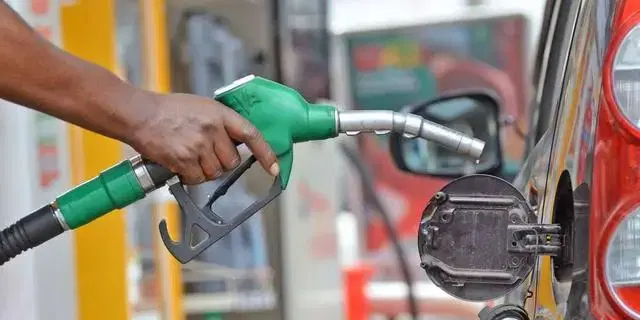
LAGOS — Oil marketers are set to adjust upwards the pump prices of petroleum products in the country as international crude benchmarks rose above $100 per barrel yesterday, increasing the cost of crude and potentially putting fresh pressure on domestic petroleum-product prices.
The marketers spoke as experts asked the Federal Government to intervene to mitigate the impact of another price adjustment of petroleum products on Nigerians.
The OPEC Basket, which includes Nigeria’s Bonny Light, rose above $100 per barrel from over $95, representing an increase of about 5.2 per cent. Brent crude stood at $100.60 per barrel yesterday, up 2.77 per cent from $97, while Murban crude climbed 6.83 per cent to $118.30 per barrel, according to Oilprice.com data.
The rally, driven by escalating tensions in the Middle East and fears of further supply disruptions, has raised concerns among Nigerian businesses and consumers over its potential impact on fuel prices and the wider economy.
Many operators declined to comment on the subject when Vanguard called severally yesterday.
But Joseph Ehimen, the Lagos State Chairman of PETROAN, said: “Certainly, we are going to adjust the pump prices after our next purchases. It will be based on market forces, factoring in all cost elements, including logistics to filling stations.”
Nigeria lacks barrels to maximise forex windfall — OPEC
The latest OPEC Monthly Oil Market Report showed that Nigeria’s crude production, excluding condensates, fell to 1.44 million barrels per day in July 2026, from 1.51 million bpd in June.
July output was also about 60,000 bpd below Nigeria’s implied production target of 1.50 million bpd.
The production shortfall means Nigeria may not fully exploit the foreign-exchange benefits of higher crude prices.
Higher oil prices can increase government revenue and dollar inflows, but the benefit depends largely on the volume of crude available for export after domestic requirements and other obligations.
Expect higher diesel, transport, freight costs — Analyst
Economist and communications expert, Clifford Egbomeade, told Vanguard that the immediate effect of higher crude prices would be a cost shock across the economy.
“The immediate effect on Nigeria is a cost shock. Higher crude prices will raise the cost of diesel, transport, freight and other energy-intensive inputs, putting pressure on business margins and household incomes,” he said.
According to him, Nigeria will benefit from higher export earnings, but only if increased oil revenue is properly managed and production sustained.
“The bigger concern is how long the oil shock lasts. With inflation still elevated and food prices already putting pressure on households, a prolonged disruption to global oil supply could translate into higher transport and logistics costs and further increases in the prices of goods and services,” Egbomeade said.
He advised the Federal Government against returning to a broad petrol subsidy, saying “the Federal Government should resist the temptation to respond with another broad fuel subsidy.
‘’The practical response is to capture the additional oil revenue, reduce wasteful spending, strengthen foreign-exchange liquidity and ensure the domestic crude supply framework works efficiently, so Dangote and other functioning refineries can access Nigerian crude on commercially viable terms.’’
Also, immediate past Managing Director and Chief Executive Officer of 11 Plc, Adetunji Oyebanji, reiterated the need to look beyond instability in crude oil prices and focus on developing the domestic economy to cushion the impact.
He said: “I remain firm in my statement that as these prices are going up, they are going up also in other countries and there is nothing we can do about it because it is a deregulated market.
“I just think that as these prices are going up, rather than looking for solutions like, you know, are they going to be subsidising fuel, they should do things like subsidising transportation, like the BRT, and reduce the cost, and also that of government hospitals or schools and other things that can make life easier for people.
“Governments should just look for ways that they can, without starting this subsidy thing. You can imagine what would have been the case if we were still paying N300 per litre for fuel now and fuel is now N1,300. Government would have been absorbing that.
“We also need to hold our governments, both at the national and sub-national levels, accountable because more money is coming into their hands and they should channel it to make life easier for the poor people and common man. This money they are distributing to the governors should be felt by every Nigerian.
“Government rents should be reduced so that people’s costs are reduced. That’s what I think needs to be done. But the effects of these higher prices are felt by everyone, as you well know.”
It’s mixed blessing — ASBON