World
Is the US Reviewing Its Position on the Falklands? Here's What Rubio Said…

Concerns over a possible American policy shift on the Falkland Islands have been played down by US Secretary of State Marco Rubio, who brushed off a leaked Pentagon document that triggered alarm in the UK. What Started the Concern? A leaked internal email from the Pentagon, first reported by Reuters last week, suggested American officials were weighing ways to penalise NATO allies who had refused to back US military action against Iran.
Among the options reportedly floated was a reconsideration of Washington’s stance on British sovereignty over the Falkland Islands, a move that many feared could embolden Argentina’s long-standing claim to the territory.
The revelation drew swift reactions from London. A Downing Street spokesperson said the matter was simple: the islanders had already spoken. In a 2013 referendum, all but three of the 1,672 eligible voters chose to remain a British overseas territory, with a turnout exceeding 90%. “Sovereignty rests with the UK,” the spokesperson added, reaffirming Britain’s commitment to the islanders’ right to self-determination.
What Did Rubio Say?
Speaking to the Sun on Thursday, Rubio sought to calm the waters. He described the leaked document as “just an email with some ideas” and said the reaction to it was “overexcited.” He went on to clarify that American neutrality on the Falklands dispute remained intact, acknowledging Britain’s administration of the islands while stopping short of formally backing either side’s sovereignty claim. His remarks came a day after he met with UK Foreign Secretary Yvette Cooper in Washington.
A Dispute That Goes Back Centuries
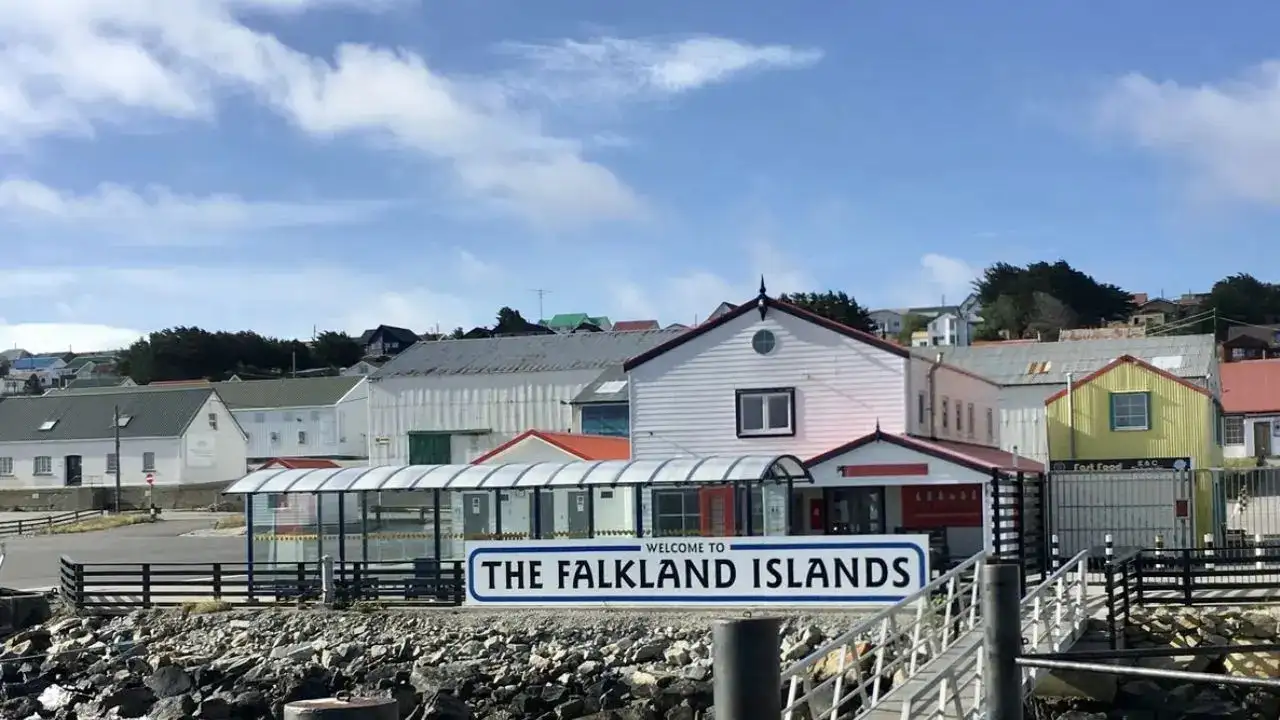
The Falklands, a cluster of islands sitting roughly 300 miles off the Argentine coast and around 8,000 miles from mainland Britain, have been under British rule since 1833. Argentina has never accepted this, arguing that the islands, which it calls the Malvinas, were rightfully inherited from the Spanish crown and belong to it by geography and history.
That disagreement turned into a brief but bloody war in 1982, when Argentina attempted to seize the islands by force. After ten weeks of fighting, Argentine forces surrendered to a British taskforce. The conflict claimed 649 Argentine military lives, 255 British, and three Falkland Islanders. Since then, the UK has maintained a garrison of more than 1,000 military personnel on the islands.
Despite that defeat, Argentina has never dropped its claim. And with US President Donald Trump maintaining a close political relationship with Argentine President Javier Milei, questions about where Washington truly stands have not gone away entirely.
Why the Memo Caused Alarm
Beyond the Falklands, the leaked document reportedly suggested punishing other NATO members who sat out the US-led action against Iran. Spain was allegedly named as a candidate for suspension from the alliance. The UK did not participate in the joint US-Israeli strikes on Iranian missile sites, though it did allow American forces to operate from British bases in a ‘defensive’ capacity, a distinction London has leaned on to explain its position.
For many in Britain, the fear was straightforward: if the US softened its recognition of British control over the Falklands, even slightly, it could give Argentina fresh encouragement to push its claim through diplomatic or other means.
Where Things Stand
For now, Rubio’s comments suggest no formal policy change is on the table. The US position, as he laid it out, remains what it has been for decades: neutral on the sovereignty question, while recognising that Britain currently administers the islands. Whether that holds, particularly given the shifting dynamics of the Trump administration’s foreign policy, is something both London and Buenos Aires will be watching closely.