World
Iran’s Ultra-Hardliners Launch Fierce Campaign Against US Nuclear Talks

A powerful faction of Iranian ultra-hardliners has launched a strong campaign against ongoing nuclear negotiations between Iran and the United States, insisting that Tehran should only engage from a position of strength and never make concessions to Washington.
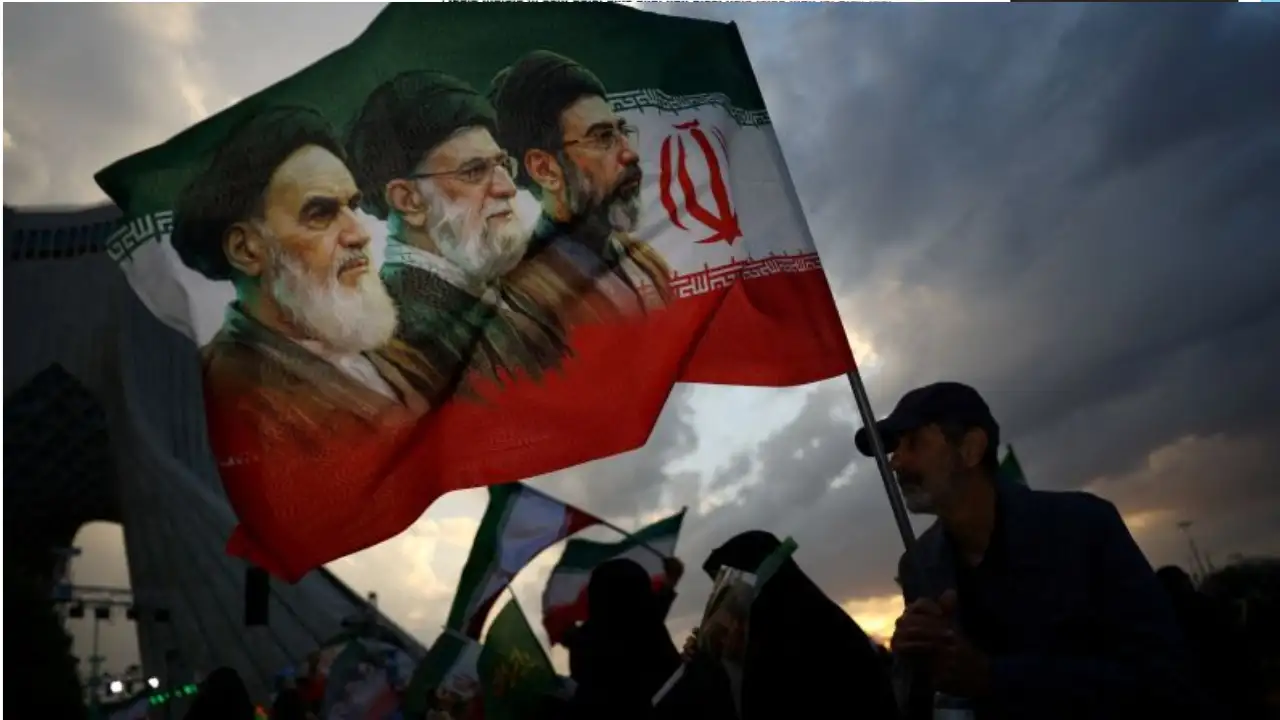
The group, known as Jebhe-ye Paydari (Endurance Front), often referred to as “Super Revolutionaries,” has become one of the most vocal opponents of any potential agreement with the US.
Aggressive Opposition Campaign
Since the start of the latest round of talks, the faction has intensified its efforts through:
- Coordinated media attacks
- Speeches in parliament
- Large public rallies in Tehran
- Direct criticism of Iran’s negotiating team
They have accused Iranian diplomats, including chief negotiator Mohammad Bagher Ghalibaf and Foreign Minister Abbas Araghchi, of weakness, “collusion,” and crossing the regime’s “red lines.” One outlet linked to the group, Raja News, claimed negotiators were willing to “shake hands” with American officials despite the killing of Iranian leaders.
Influence and Ideology
Jebhe-ye Paydari is considered highly radical even by Iranian conservative standards. The group believes in permanent resistance against the United States and Israel, rooted in a hardline Shia revolutionary ideology. Their influence has grown noticeably after the death of former Supreme Leader Ali Khamenei earlier this year. Prominent figures in the faction include former nuclear negotiator Saeed Jalili, who received nearly 13 million votes in the 2021 presidential election.
Seven lawmakers affiliated with the group reportedly refused to sign a parliamentary statement supporting the negotiating team. Lawmaker Mahmoud Nabavian, who took part in recent talks in Islamabad, publicly called the negotiations a “strategic mistake.”
Internal Tensions
The hardliners’ aggressive stance has triggered criticism even from other conservative factions and parts of the Iranian public, who fear it could sabotage diplomatic efforts and prolong economic suffering caused by sanctions and the ongoing conflict.
Analysts say the faction’s rise reflects deeper divisions within Iran’s political elite over how to deal with the United States at this critical moment. While Iran’s leadership is trying to project unity during the negotiations, the loud opposition from Jebhe-ye Paydari highlights the significant domestic political risks involved in reaching any agreement with Washington. The group’s campaign adds another layer of complexity to the already difficult Iran-US nuclear talks, as Tehran balances external pressure with powerful internal resistance.