World
Iranian FM: If Trump’s Tel Aviv ‘pets’ aren’t controlled, ‘Iran will school them’

Iranian Foreign Minister Abbas Araghchi warned Wednesday that the US-Iran memorandum of understanding obligates the US to “muzzle its pets in Tel Aviv” and prevent Israel from militarily threatening Iran, in response to remarks by Defense Minister Israel Katz.
“The terms of the Islamabad MoU are crystal clear and public for all to see. POTUS has committed the US to muzzling its pets in Tel Aviv,” Araghchi warned in a post on X.
“If they ignore their master, Iran will school them. Any threat against our People and Leadership will receive Immediate Powerful Response,” the top Iranian envoy wrote.
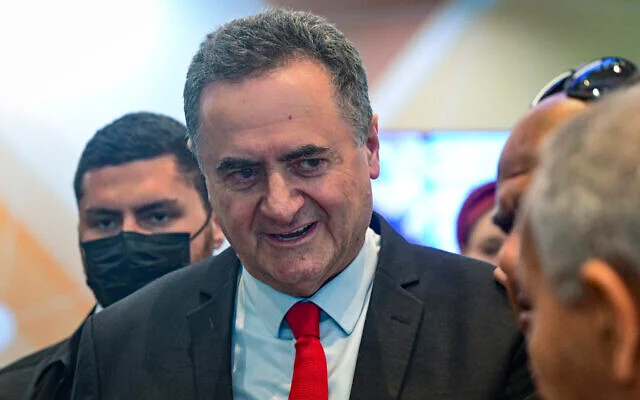
The comments came in response to remarks Katz made in a briefing with Israeli military reporters on Monday, in which he warned that Iran’s Supreme Leader Mojtaba Khamenei was “marked for death,” and that while Tehran was attempting to “extract concessions” in its talks with Washington, Israel “will not allow Iran to develop nuclear weapons. If an agreement achieves that, all the better.”
While the MOU declared that the US, Iran, “and their allies” would cease hostilities “on all fronts,” Israeli officials have stressed that Jerusalem is not a signatory to the agreement and have vowed to continue to prevent Iran from obtaining a nuclear weapon, even as Washington stresses its pursuit of a “regional ceasefire” and its preference for a diplomatic solution to the conflict.
Meanwhile, as the US and Iran were set to hold a new round of indirect talks in Doha, two Iranian sources said Tehran was determined to win international recognition of its control over the Strait of Hormuz and ability to levy fees on ships entering or leaving the Gulf even if it has to do so by force.
Under the interim deal agreed with the US earlier this month, Iran agreed to let ships pass through the Strait for 60 days without charge. But it believes the wording of the agreement allows it to keep control of which ships may pass and which route they take through the narrow waterway, the sources said.
It is also determined to secure lasting formal acceptance of this control once the interim phase expires, and its negotiators will not move on to other areas of dispute in ongoing talks with Washington until that has been agreed, the sources said.
If the interim deal ends without being extended, Iran could start charging ships for passage in mid-August, though it has not yet laid out any list of what fees it will charge or how.
Any lasting Iranian control over the Strait of Hormuz, with formalities and fees for ships, would add costs, delays and risks to all shipping through a waterway that before the war transported a fifth of global energy supplies plus other critical goods.
Passage through the Strait was never previously subject to fees, and Tehran’s position runs directly counter to US interpretations of the interim memorandum of understanding agreed to on June 17, and to Washington’s stance on what the ultimate postwar arrangements will be.
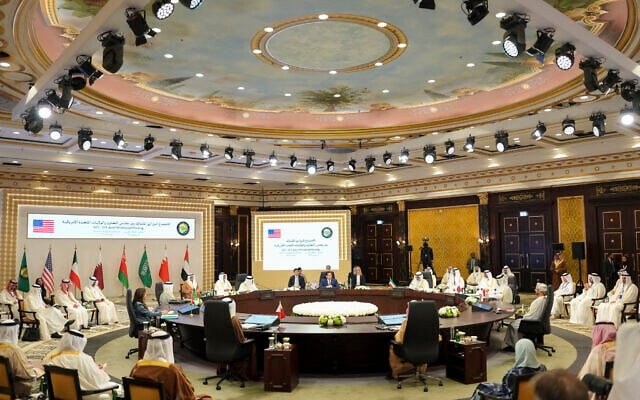
US President Donald Trump said last week that there would be no tolls charged for passage through the Strait unless Washington decided to impose them itself. US Secretary of State Marco Rubio said during a meeting with Gulf states that no country had the right to block shipping or impose fees or tolls for passage through an international waterway.
Iran is ready to impose its demands on the Strait through force if other countries do not accept its terms, the Iranian official added, saying Tehran would not back down even if it led to renewed — and intensified — confrontation with the US.
The second senior Iranian official said that having survived what Tehran had seen as its biggest potential threat — a war with the US and Israel — Iran believed it had a “historic opportunity” to secure a long-term advantage.
Ship-owning countries would eventually accept Iranian management of the Strait because of the growing cost of the dispute, and Washington would accept it to ensure uninterrupted global energy supplies, the official added.
The comments came as Iran and the United States were to hold further indirect talks with mediators in Doha on Wednesday in a push to advance negotiations and quell tensions following exchanges of fire between the two sides.
The sides would take part in “indirect technical talks on Wednesday in Doha with Qatari and Pakistani mediators,” a diplomat with knowledge of the talks told AFP on condition of anonymity.
The discussions, being held at a lower level and focused on the details of the MOU, will “build on the progress made at the Lake Lucerne summit,” the diplomat added.
An Iranian official told Reuters that the talks in fact began Tuesday night, and a source with knowledge of the discussions said they were structured as sessions between chief negotiators and specialists.
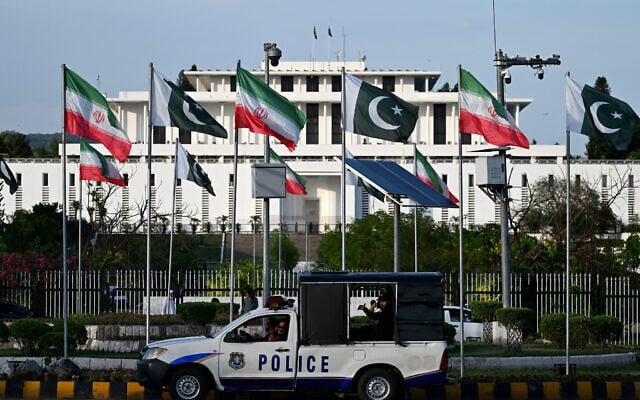
The MOU, which has been tested by recent exchanges of fire between the sides, includes a 60-day ceasefire pausing the war that broke out with US-Israeli strikes targeting the Iranian regime in late February, as well as the reopening of the Strait of Hormuz and a timeframe for a final deal to permanently end the conflict and reach an agreement on Iran’s nuclear program. The Wall Street Journal reported Wednesday that Trump has told aides that he believes that deadline to be moveable.
Israel had no part in negotiating the memorandum of understanding, and Prime Minister Benjamin Netanyahu has distanced himself from it. Still, the terms of the opening clause, permanently ending the war and ruling out any resumption, assert that it is binding on the US, Iran “and their allies.” Israeli officials are bitterly opposed to the deal’s terms, which resolve none of the war’s key goals — notably, eliminating Iran’s nuclear and ballistic missile programs and creating the conditions for the collapse of the regime.