World
Iran war drives wedge between US and Saudi Arabia — as America considers drastic change in Middle East

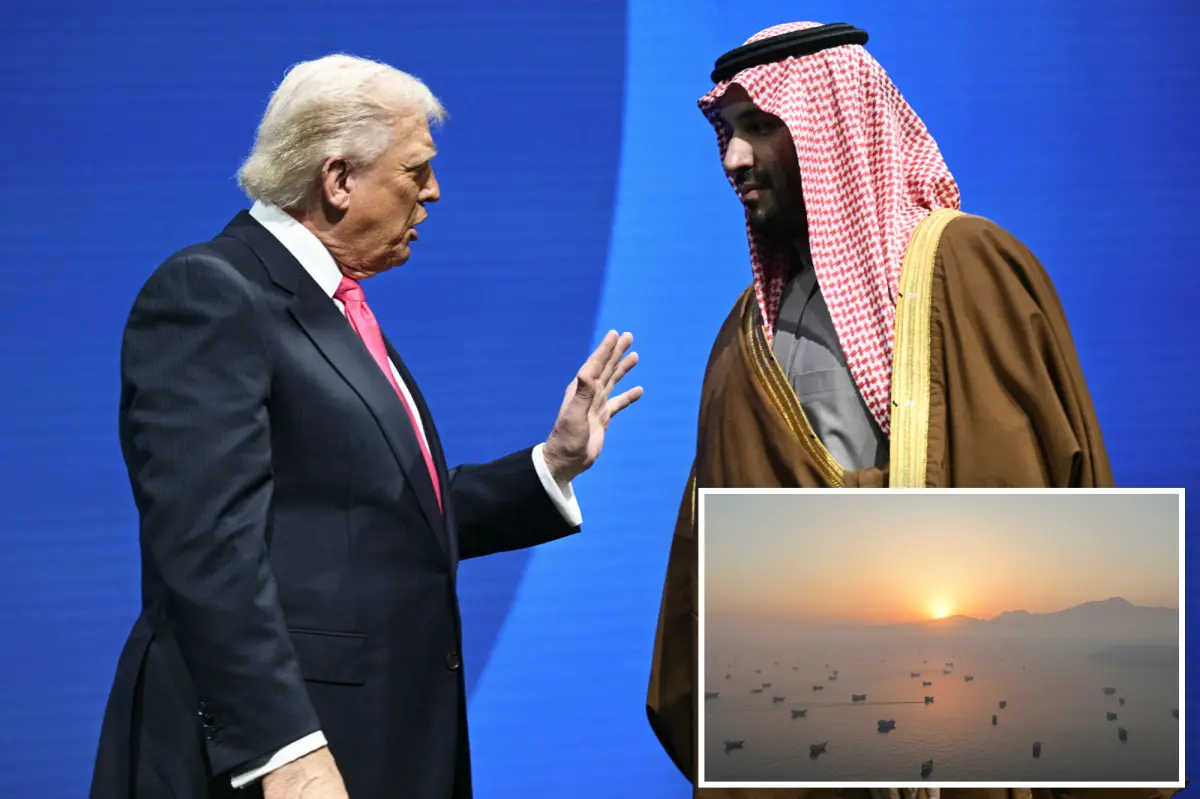
The war in Iran and the closure of the Strait of Hormuz have caused a rift between the US and Saudi Arabia — leaving America to consider possibly reducing its military footprint in the kingdom, officials said.
Disputes over President Trump’s handling of the war and economic threats to Saudi Arabia have caused the partnership to sour, with both Washington and Riyadh allegedly snubbing each other and cutting back on the mutual military alliance, officials familiar with the matter told The Wall Street Journal.
The fallout has led the US to reconsider its presence in the kingdom and focus its forces on nations that support the war with Iran, including Israel and Jordan, sources told the outlet.
The already shaky alliance with Saudi Arabia began to fall apart after Trump launched a joint war with Israel against Iran in February, which Saudi Arabia and its Gulf neighbors had been lobbying against for months.
The war risked retaliatory attacks across the region and the closure of the Strait of Hormuz, which Saudi Arabia depended on for the bulk of its oil exports.
Both fears manifested during the war, with Saudi Arabia becoming a target of Iran despite the kingdom’s initial refusal to let the US use its bases and airspace for the attacks.
The Trump administration would also go on to ignore the Saudis push to end the war early and drop the American blockade on Iranian ports, with Riyadh urging diplomacy over warfare, the WSJ reported.
The situation reached a boiling point when Trump suddenly announced the launch of Project Freedom, which was meant to be a full military effort to shield oil tankers and cargo ships crossing through the Strait of Hormuz.
Fearing further retaliation from Iran and the closure of the Bab al-Mandab Strait, where Saudi Arabia’s exports had been moved to, Riyadh blocked access to its bases and airspaces.
The result led to Project Freedom being abruptly shelved less than two days after its inception, with the mission only ever guiding two American vessels through the strait in a blow to the Trump administration.
Since then, things have remained rocky between the US and Saudi Arabia, with Riyadh only ending its restriction on its basing and airspace after American officials reportedly warned that it would drop the kingdom from its priority list for receiving defense weapons, Arab officials told the WSJ.
Last month, Saudi Crown Prince Mohammed bin Salman notably turned down an invitation to attend the G7 summit in France as a direct protest of the US handling of the war in Iran, sources told the Journal.
Secretary of State Marco Rubio skipped Saudi Arabia during his Middle East tour last week when he visited countries hit by Iran during the war.
While the US and Gulf Cooperation Council, which Saudi Arabia is a part of, reaffirmed a “strong commitment” to the partnership, Riyadh still saw Rubio’s lack of visit as a calculated snub, sources told the WSJ.
It remains unclear how big the rift between Washington and Riyadh has become as the relationship helps fuel the petrodollar, critical mineral supply chains and allows for major trade of American arms.