World
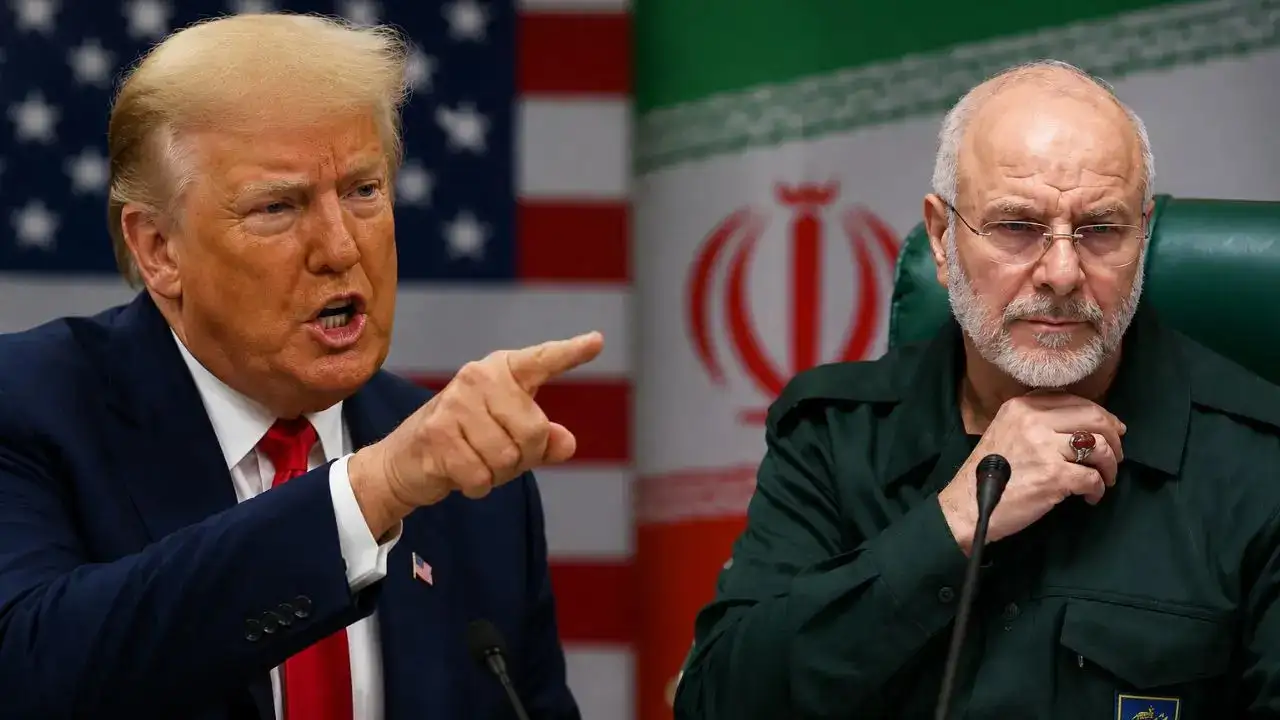
Iran, US Spar After Trump Calls Tehran Proposal 'Piece of Garbage'

Iran’s parliament speaker Mohammad Bagher Ghalibaf warned on Monday that the country’s armed forces were prepared to respond to any future attacks, as tensions continued to threaten a fragile ceasefire in the Middle East. Posting on X, Ghalibaf said Iran’s military remained on high alert. “Our armed forces are ready to respond and to teach a lesson for any aggression,” he wrote. “A bad strategy and bad decisions always lead to bad results – the world already understands this.”
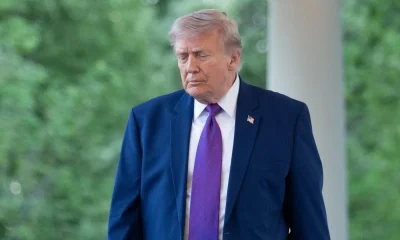
The remarks came as US President Donald Trump expressed frustration over stalled negotiations aimed at ending the conflict with Iran. Speaking in the Oval Office, Trump accused Iranian leaders of repeatedly shifting their position during talks.
“Look, I’ve had to deal with them four or five times; they change their mind,” he said. “They’re very dishonourable people, the leadership.”
Trump also said the ceasefire agreed on 7 April was now on “life support” after rejecting counter-proposals sent by Tehran over the weekend. “I would call it the weakest, right now, after reading that piece of garbage they sent us – I didn’t even finish reading it,” Trump said. “I would say the ceasefire is on massive life support, where the doctor walks in and says: ‘Sir, your loved one has approximately a 1% chance of living.'”
The US president said he was considering restarting naval escorts for commercial vessels through the Strait of Hormuz in an attempt to end Iran’s blockade of the strategic waterway. Project Freedom, a US plan to escort oil tankers through the strait, had been suspended after two days to allow time for negotiations. Saudi Arabia reportedly opposed the move, viewing it as escalatory.
Iran Rejects Further Talks Over Blockade
Iranian officials said there would be no further negotiations over the blockade unless Washington accepted Tehran’s conditions.
Mohammad Ali Jafari, a former commander of the Islamic Revolutionary Guard Corps, said: “As long as the war on all fronts is not over, sanctions are not lifted, blocked funds are not released, war damages are not compensated and Iran’s sovereignty over the Strait of Hormuz not recognised, there will be no other negotiations.”
Iran’s foreign ministry spokesperson Esmail Baqaei described Tehran’s proposals as “reasonable, responsible and generous”, insisting an agreement was still possible.
Iran has argued that US military operations in the region mean the strait “can no longer be treated as a normal and neutral waterway”.
The continuing standoff has pushed oil prices above $105 a barrel, with tanker traffic through the Gulf remaining severely disrupted. The International Maritime Organization estimates that almost 1,500 tankers and 20,000 seafarers are stranded in the Gulf.
The organisation’s secretary general Arsenio Dominguez warned that supplies including food, water and fuel could soon run short.
Meanwhile, Oman’s foreign minister Badr bin Hamad Al Busaidi held talks with maritime officials over possible humanitarian measures and a new regime governing passage through the strait.
Pressure Grows Ahead of Trump-Xi Summit
The impasse is expected to cast a shadow over Trump’s upcoming summit in Beijing with Chinese President Xi Jinping. China maintains close economic ties with Iran, and analysts believe Xi is unlikely to agree to any US request to restrict Chinese oil purchases or arms sales involving Tehran.
Trump had reportedly hoped to resolve the Iran conflict before the summit begins later this week. However, negotiations now appear deadlocked, with Washington again weighing military options related to Iran’s stockpile of highly enriched uranium. Iranian officials insist the material remains protected.