World
Iran said to fear Israel could kill Mojtaba Khamenei if he attends father’s funeral

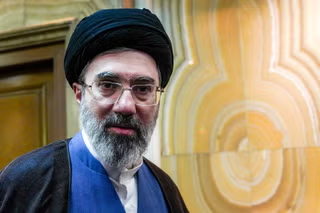
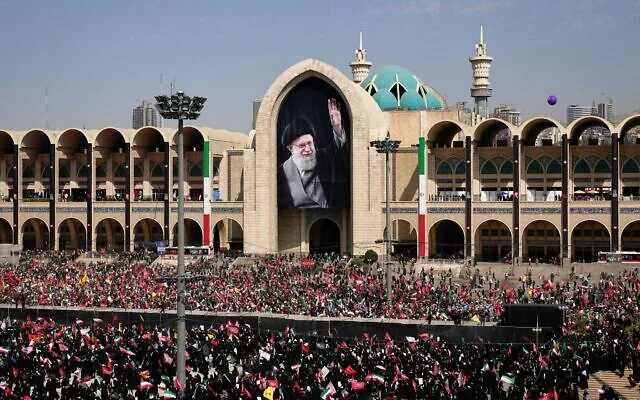
Iranian security officials have rejected Supreme Leader Mojtaba Khamenei’s request to attend the burial of his slain father and predecessor, Ali Khamenei, because they fear Israel will kill the son or track him back to his hiding spot, The New York Times reported Saturday.
Mojtaba Khamenei seeks to attend his father’s July 9 burial in Mashhad and perform funeral rites, but has so far been refused, the Times said, citing two unnamed Islamic Revolutionary Guard Corps members and a person involved with planning the multi-day funeral that began on Saturday.
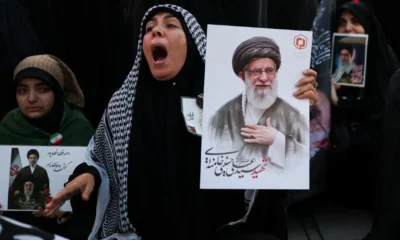
Khamenei has not been seen in public since he was injured, and his father, wife, and son were killed in the opening strikes of the US-Israeli bombing campaign in Iran on February 28. According to the Times, he was absent from a memorial for his wife in Tehran on Wednesday.
Four senior Iranian officials cited by the Times said Khamenei’s continued absence from the public eye has triggered concern about the sustainability of his rule.
While a written statement attributed to Khamenei okayed negotiations with the US, hardline Iranian conservatives have vowed to resist diplomacy until he appears in public or produces a voice recording, the Times said.
In the meantime, hardliners have called for the prosecution and even the death of Iranian negotiators, who hail from the self-described pragmatist wing of Iran’s conservative camp.
Both the hardliners and the pragmatists are engaged in a fierce struggle to claim Khamenei as one of their own, according to the Times.
The pragmatic camp — including President Masoud Pezeshkian and parliament speaker Mohammad Bagher Ghalibaf — is currently on the ascendant, and managed to convince Khamenei to support negotiations with the US to ease Iran’s economic woes, the Times said.
Senior appointments that Khamenei is set to make after the funeral will indicate which side he favors, according to Iranian officials cited by the Times.
The US and Israel launched the war on Iran in a bid to destabilize its leadership and destroy its ballistic missile and nuclear programs. The fighting entered a truce on April 8, and the US and Iran are engaged in peace talks based on a memorandum of understanding they reached last month.
Israel is not a party to the memorandum or the talks, and Israeli officials have criticized the document for failing to secure a concrete concession from Iran on its nuclear program.