World
Iran closes Hormuz again as IDF attacks Hezbollah, upping pressure on US before Switzerland talks

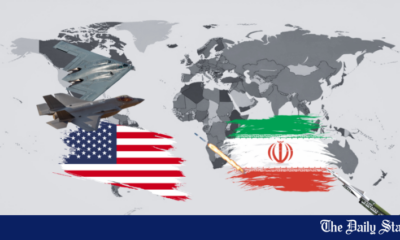
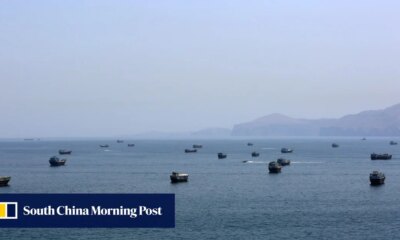
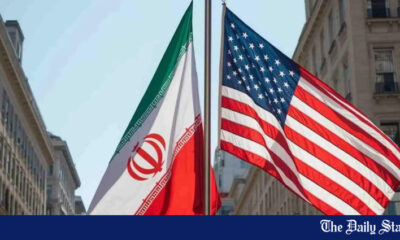
Iran’s central military command announced on Saturday that it had once again closed the vital Strait of Hormuz days after the waterway was reopened following the US-Iran memorandum of understanding, claiming Israeli strikes on Iran-backed Hezbollah in southern Lebanon violate Tehran’s agreement with Washington.
“It is hereby announced that the Strait of Hormuz will be closed to vessel traffic; It is noted that this first step is a response to the enemy’s breach of promise, and if the aggression continues, further steps will be planned and taken to force the enemy to comply with its obligations,” said the Khatam-al Anbiya Central Headquarters in a statement carried by state TV.
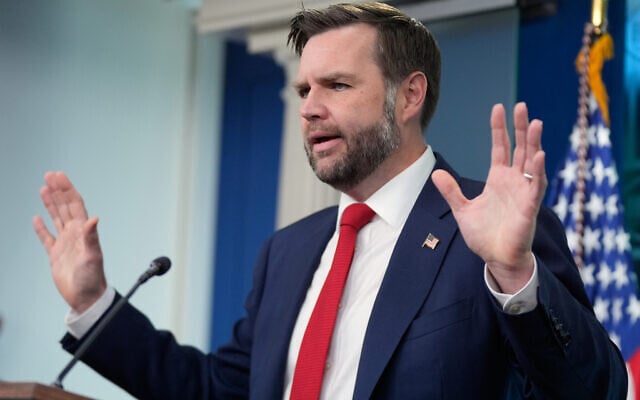
The report emerged as US Vice President JD Vance told Fox News in an interview that he was confident the ceasefire agreed in Washington’s 14-point deal with Tehran would hold, while insisting he saw no evidence that Hormuz was closed.
The deal, signed this week by US President Donald Trump and his Iranian counterpart Masoud Pezeshkian, aims to end a conflict that began on February 28 with US-Israeli strikes on Iran, calling for a cessation of fighting between the US, Iran and their allies on all fronts, including Lebanon. It also provides for the reopening of the Strait of Hormuz and the launch of a 60-day negotiation period on broader issues, including Tehran’s nuclear program.
Additionally, a US official announced a truce between Israel and Hezbollah on Friday that began at 4 p.m. local time. Israeli and Hezbollah sources confirmed the agreement to Reuters.
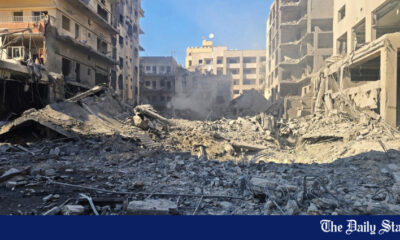
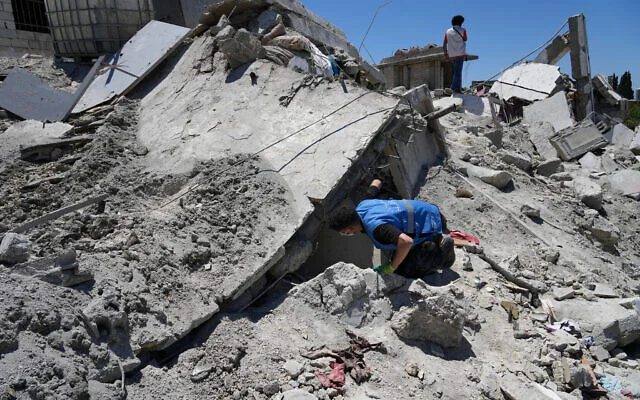
The Israel Defense Forces said Saturday that it was “committed to the ceasefire agreement in accordance with the directives of the political echelon,” while striking Hezbollah in south Lebanon after the terror group fired “some 50 projectiles at Israeli troops” during separate overnight incidents in the area.
Previous ceasefires reached in US-brokered Israeli-Lebanese talks have failed to stick, with Hezbollah rejecting the talks out of hand and slamming the Lebanese government for negotiating directly with Israel.
Diplomacy advances amid tensions
Despite the latest strain on the fragile deal, diplomatic efforts between Washington and Tehran appeared to be gaining momentum.
Trump’s special envoy, Steve Witkoff, traveled to Switzerland on Saturday for the first round of talks with Iran on a potential nuclear deal, Axios reported, citing a US official.
Trump’s son-in-law Jared Kushner was already in Switzerland, it added.
Vance also told Fox News that he expects to travel to Switzerland for talks with Iran in the coming days.
The Iranian negotiating team was also set to leave for Switzerland on Saturday, Iranian Foreign Ministry spokesperson Esmaeil Baghaei said, according to Iran’s Mehr news agency.
Switzerland continued to provide a “discreet and reliable setting” at Burgenstock to facilitate discussions on implementing the memorandum of understanding between the US and Iran, the Swiss foreign ministry said.
It added in a statement that no further details will be disclosed about participants and the content of the talks, citing confidentiality.
Mediators in the US-Iran conflict, including Pakistan, Saudi Arabia and Turkey, were also said to be due to gather for talks in Egypt on Sunday, after a meeting between negotiators slated for Friday in Switzerland was called off, raising uncertainty over the future of talks.
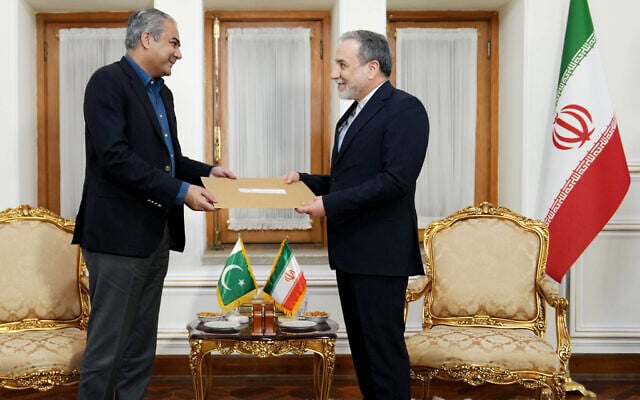
Meanwhile, Baghaei said on Saturday that Pakistan Interior Minister Mohsin Naqvi was due to hold talks with Iranian Foreign Minister Abbas Araghchi during a visit to Tehran, according to ISNA news agency.
Baghaei said Naqvi’s visit is part of Islamabad’s ongoing efforts related to negotiations between Iran and the United States.
Tehran stands to gain billions
As the diplomatic efforts seemed to move forward, reports also emerged of potential economic relief for Tehran. the US and Qatar are developing a plan to release billions of dollars in frozen funds to Iran for humanitarian projects, the Wall Street Journal reported Saturday.
Under the plan, Tehran would initially be able to access $6 billion held in Qatar.
People familiar with the details of the plan told the Journal that Iran’s central bank would be able to order food, medicine and other humanitarian goods using the previously frozen cash that was mainly sanctioned revenue from oil sales.
The funds would reportedly be transferred under international supervision, with the report emphasizing that the plan is in its early stages and has not been agreed to by Tehran.
On top of the reported $6 billion, the memorandum of understanding signed by the US and Iran earlier this week will also allow waivers on Tehran’s sanctioned oil sales, while any more comprehensive agreement struck in the coming 60-day period of negotiations on Tehran’s nuclear program could lift all other sanctions and give Iran access to a $300-billion reconstruction fund.
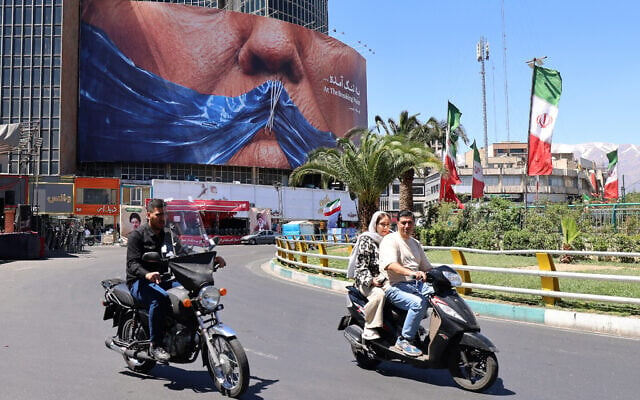
In April, it was reported that, despite bad damage to infrastructure and industries and an oil-export squeeze as a result of the war, Iran had plentiful internal supplies, steady trade with neighbors and only limited signs of immediate stress from state-revenue losses caused by the blockade.
At the same time, Iran’s agriculture minister claimed that the now-lifted US naval blockade had little impact on the country’s ability to supply basic goods and food, citing strong domestic production and alternative import routes.