Viral
IMF Says Tinubu’s Reforms Strengthened Economy but Poverty, Hunger Remain Major Concerns

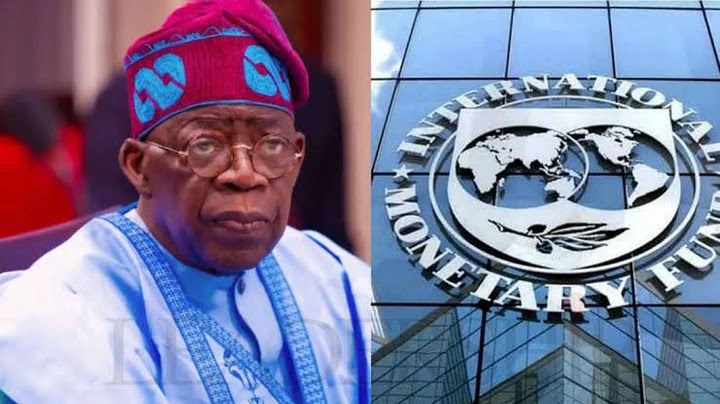
The International Monetary Fund (IMF) has commended the economic reforms implemented by President Bola Tinubu’s administration, stating that they have contributed to improved macroeconomic stability and strengthened Nigeria’s economic resilience. However, the global financial institution warned that rising poverty and food insecurity continue to pose significant challenges for millions of Nigerians.
The IMF made the observation in a statement released on Tuesday following the completion of its annual assessment of Nigeria’s economy.
According to the Fund, a series of policy measures introduced over the past three years have helped stabilize key economic indicators and laid the foundation for long-term growth, despite ongoing social and economic pressures facing households across the country.
Since assuming office in 2023, President Tinubu’s administration has embarked on several far-reaching reforms, including the removal of the petrol subsidy, the liberalisation of the foreign exchange market, and tax policy adjustments aimed at improving government revenue and restructuring the economy.
The IMF noted that while these reforms have generated positive macroeconomic outcomes, many Nigerians are yet to feel the benefits in their daily lives.
“Strong reforms over the past three years have yielded improved macroeconomic outcomes and built resilience,” the IMF stated.
“Still, conditions for many Nigerians remain difficult.”
Poverty and Food Insecurity Remain Widespread
Despite improvements in broader economic indicators, the Fund expressed concern over the continued rise in poverty levels and food insecurity.
According to the IMF, approximately 63 percent of Nigerians were living below the poverty line by the end of 2025, highlighting the severity of the economic hardship facing many households.
The report also revealed that more than 27 million people experienced food insecurity during the year, underscoring the growing challenge of access to affordable food and adequate nutrition.
The IMF’s findings broadly align with previous assessments by the World Bank, which estimated that about 61 percent of Nigerians were living in poverty, compared to 40 percent in 2019.
The World Bank had earlier noted that much of the increase in poverty occurred before the current administration took office, reflecting structural economic difficulties that have persisted for several years.
Insecurity Threatens Economic Progress
The IMF also identified insecurity as one of the major risks to Nigeria’s economic outlook.
According to the Fund, persistent security challenges in parts of northern Nigeria—where a significant portion of the country’s agricultural production takes place—continue to threaten livelihoods, disrupt farming activities, and undermine economic productivity.
Analysts have repeatedly warned that attacks by bandits, insurgents, and other armed groups on farming communities could further affect food production and worsen inflationary pressures.
Inflation Still a Major Challenge
Although economic reforms have improved some aspects of fiscal and monetary management, inflation remains a concern.
The IMF noted that Nigeria’s inflation rate rose to 15.7 percent in April, reaching its highest level in five months.
Economic analysts have linked the increase partly to rising global energy prices and renewed uncertainty in international markets, including the impact of tensions and conflicts in the Middle East on fuel costs.
Higher fuel prices often lead to increased transportation and production costs, which are eventually passed on to consumers through higher prices for goods and services.
Economy Projected to Grow Further
Despite current challenges, the IMF maintained a positive outlook for Nigeria’s economic growth prospects.
The Fund projected that the economy would expand by 4.1 percent in 2026, slightly higher than the estimated 4.0 percent growth recorded in 2025.
According to the IMF, stronger government revenues, improved investor confidence, and ongoing structural reforms could support continued economic expansion in the coming year.
However, the institution warned that rising prices for food, fertilisers, and fuel could create new pressures for households, particularly low-income families already struggling with the cost of living.
While higher commodity prices may boost government earnings as Africa’s leading oil producer, the IMF cautioned that they could also fuel inflation and deepen hardship if adequate social protection measures are not implemented.
Call for Inclusive Growth
The IMF stressed the importance of ensuring that the gains from economic reforms translate into tangible improvements in living standards.
The Fund suggested that policies aimed at protecting vulnerable groups, improving food production, enhancing security, and creating jobs would be critical in reducing poverty and ensuring that economic growth benefits a broader segment of the population.
The report comes as Nigeria prepares for another election cycle, with President Bola Tinubu expected to seek a second term when voters head to the polls in January.
Economic performance, inflation, job creation, and the rising cost of living are expected to feature prominently in national political debates as the election approaches.