Breaking
If These Objects Come Out From Your Mouth After Coughing, This Is What It Means

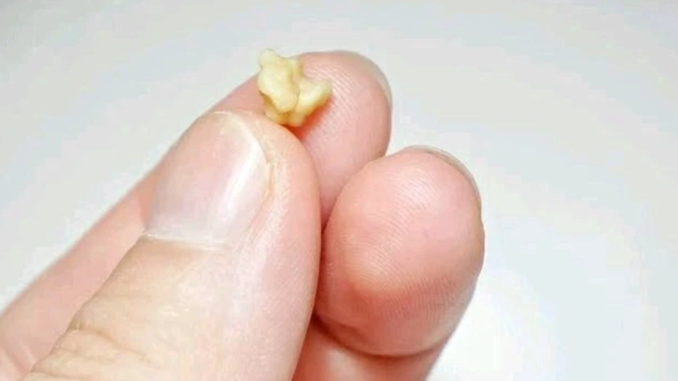
Reports shared by Moekenareports have brought attention to a common but often misunderstood condition involving small white or yellowish particles that may emerge from the mouth during coughing, sneezing, or throat clearing. These formations are medically known as tonsil stones, or tonsilloliths.
According to health information referenced in the report, tonsil stones develop within the tonsils, which are two lymphoid tissues located at the back of the throat. They form when debris such as food particles, dead cells, mucus, and bacteria become trapped in small crevices known as tonsillar crypts. Over time, this trapped material hardens and forms small, stone-like structures that may appear white, cream, or yellow in color.
The article notes that many individuals may not be aware of the presence of tonsil stones until they become dislodged naturally through coughing, sneezing, or even during routine oral hygiene practices such as brushing or gargling. In some cases, people may only notice them when they are expelled from the mouth unexpectedly.
Medical professionals explain that while tonsil stones are typically harmless, they can sometimes lead to uncomfortable symptoms. These may include persistent bad breath, throat irritation, difficulty swallowing, ear discomfort, or a sensation that something is lodged in the throat. Larger formations are more likely to produce noticeable symptoms, particularly when bacteria trapped within them release unpleasant-smelling sulfur compounds.
The report emphasizes that tonsil stones are not contagious, as they originate from substances naturally present in the oral cavity. Factors such as poor oral hygiene, recurring tonsil inflammation, and naturally deep tonsillar crypts can increase the likelihood of their formation.
Healthcare experts recommend maintaining consistent oral hygiene practices to reduce the risk of developing tonsil stones. This includes regular brushing of teeth, flossing, rinsing with mouthwash, staying well hydrated, and cleaning the tongue to minimize bacterial buildup. These measures can help limit the accumulation of debris in the throat area.
In cases where tonsil stones become frequent, painful, or significantly disruptive, medical evaluation may be necessary. Healthcare providers may manually remove larger stones or recommend further treatment options through ear, nose, and throat specialists, depending on severity.
Doctors strongly caution against attempting to remove tonsil stones using sharp or unsafe objects at home, as this can damage throat tissues and increase the risk of infection.
Although generally considered a minor condition, medical professionals advise individuals experiencing persistent discomfort, swelling, strong bad breath, or difficulty swallowing to seek professional medical attention for proper diagnosis and care.